

Ascorbyl Glucoside vs. Vitamin C: Which Form Actually Works?

In short: Ascorbyl glucoside is a stabilized form of vitamin C that skin enzymes convert into active ascorbic acid. It is more stable and gentler than pure L-ascorbic acid, which suits daily use and sensitive skin — the trade-off is a more gradual result. Pure vitamin C acts faster and has more direct clinical evidence, but oxidizes quickly and can irritate. The right choice depends on your skin and your routine.
What is ascorbyl glucoside?
Ascorbyl glucoside is vitamin C bound to a glucose molecule. That bond protects the vitamin from air, light and water — the three things that break pure vitamin C down. Once applied, enzymes in the skin gradually separate the glucose and release active ascorbic acid.
In practice, it behaves like a slow-release form of vitamin C: less potent per application, but far more stable in the bottle and on the skin.
How it differs from pure vitamin C (L-ascorbic acid)
L-ascorbic acid is the pure, active form of vitamin C. It has the most direct clinical evidence for brightening, antioxidant protection and supporting collagen — but it is unstable, needs a low (acidic) pH to work, and can sting or redden reactive skin. It also oxidizes quickly, turning yellow-brown as it loses effect. Ascorbyl glucoside trades some of that immediate potency for stability and comfort.
| Ascorbyl glucoside | L-ascorbic acid | |
|---|---|---|
| Stability | High — resists oxidation | Low — oxidizes with air & light |
| Strength | Gradual, gentle | Fast, potent |
| pH required | Flexible | Low / acidic |
| Irritation risk | Low | Higher |
| Clinical evidence | Promising, less direct | Strong, well-studied |
| Best for | Daily use, sensitive skin | Targeted use, tolerant skin |
Is ascorbyl glucoside as effective?
Honestly: not identically. At matched concentrations, pure L-ascorbic acid still has the stronger body of clinical evidence for antioxidant activity and collagen support. Conversion of ascorbyl glucoside to active vitamin C in the skin is real, but partial and gradual.
What ascorbyl glucoside offers instead is consistency. A stable vitamin C you actually use every day, without irritation, often outperforms a potent one you abandon quickly — or one that has oxidized before you reach the bottom of the jar.
Which form should you choose?
Choose ascorbyl glucoside if your skin is sensitive or reactive, if you want a low-effort daily antioxidant step, or if you have struggled with the sting and short shelf life of pure vitamin C.
Choose L-ascorbic acid if your skin tolerates actives well and you want the most researched, fastest-acting option — and you are willing to store it carefully and replace it often.
How we use it at Clique Beauty
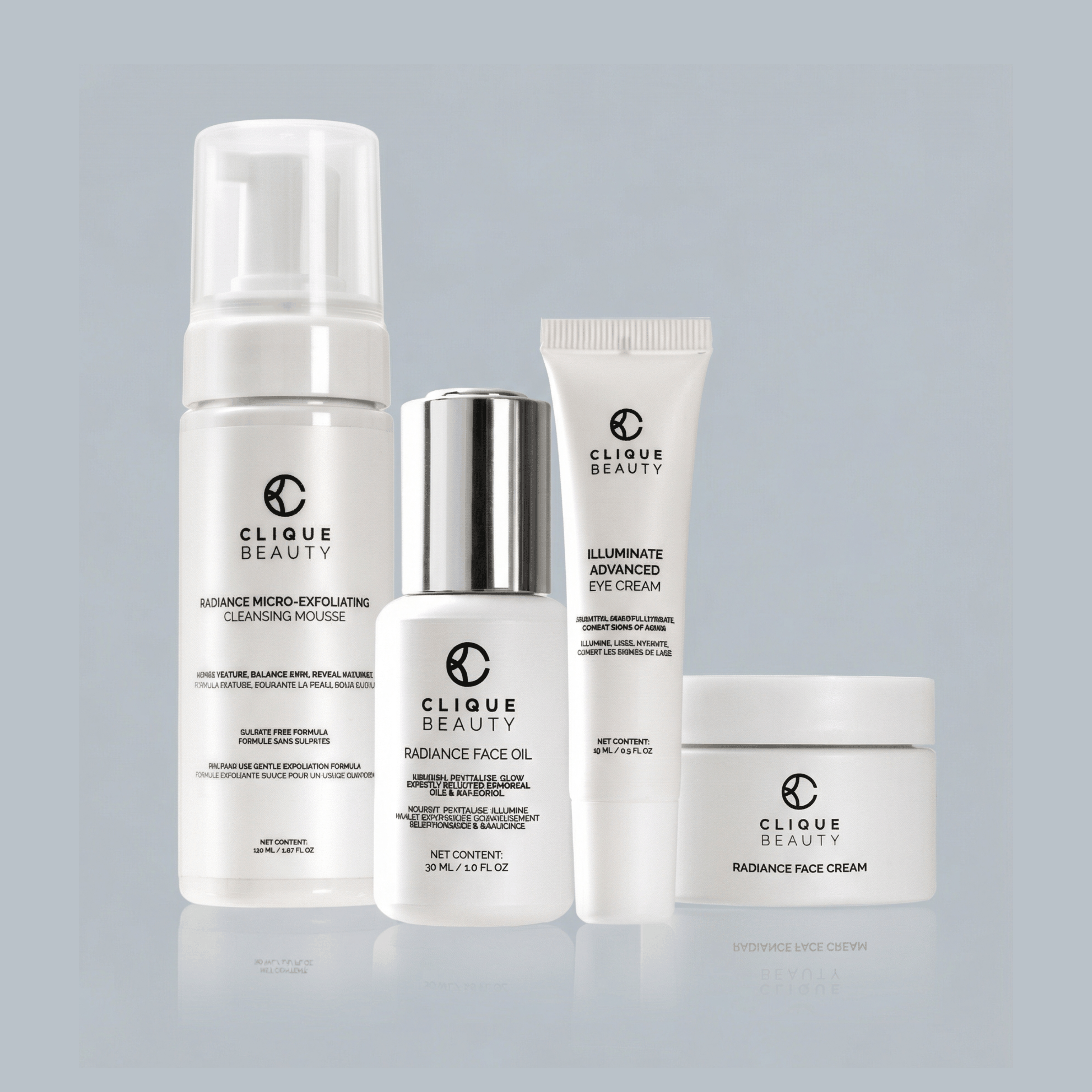
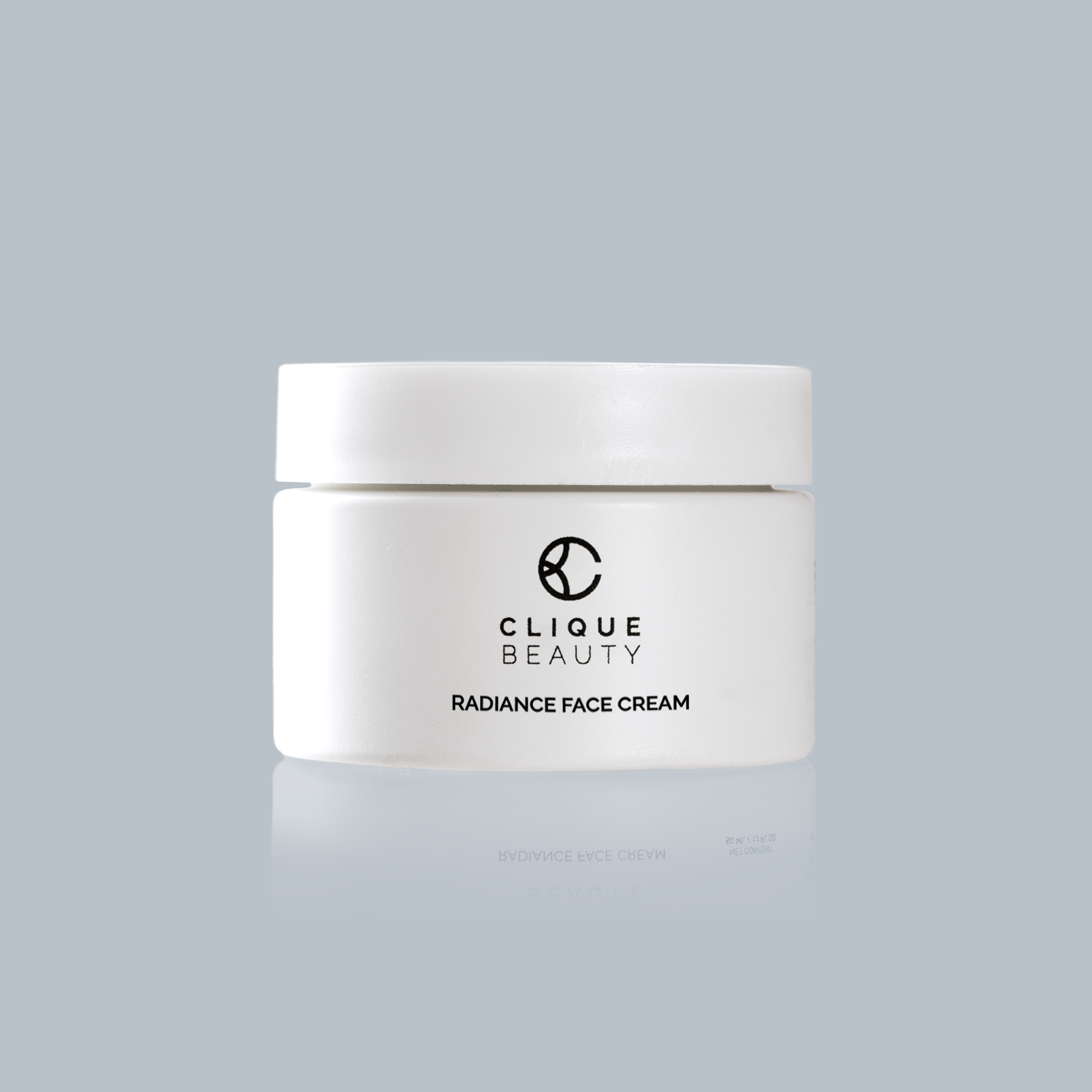
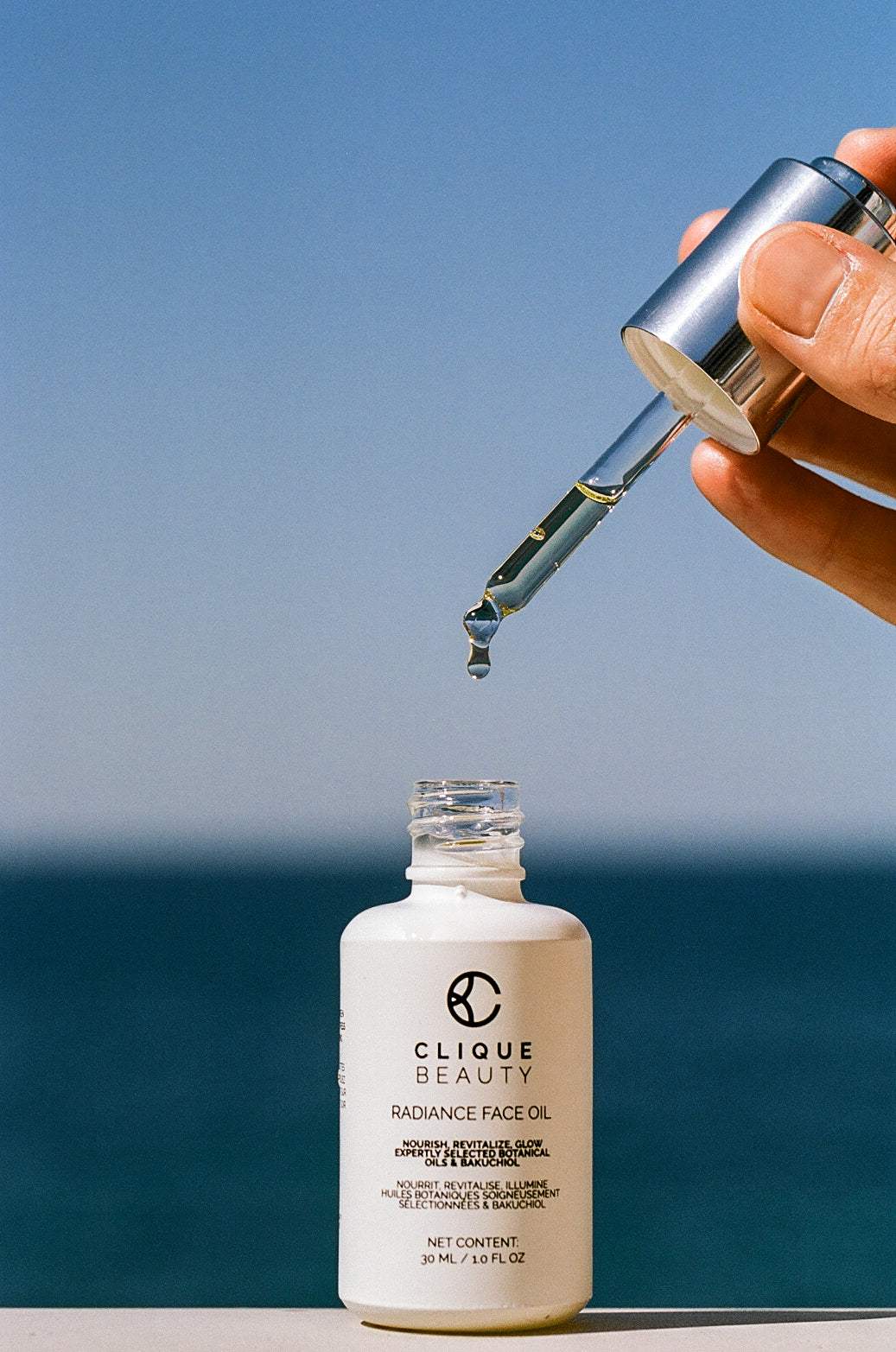
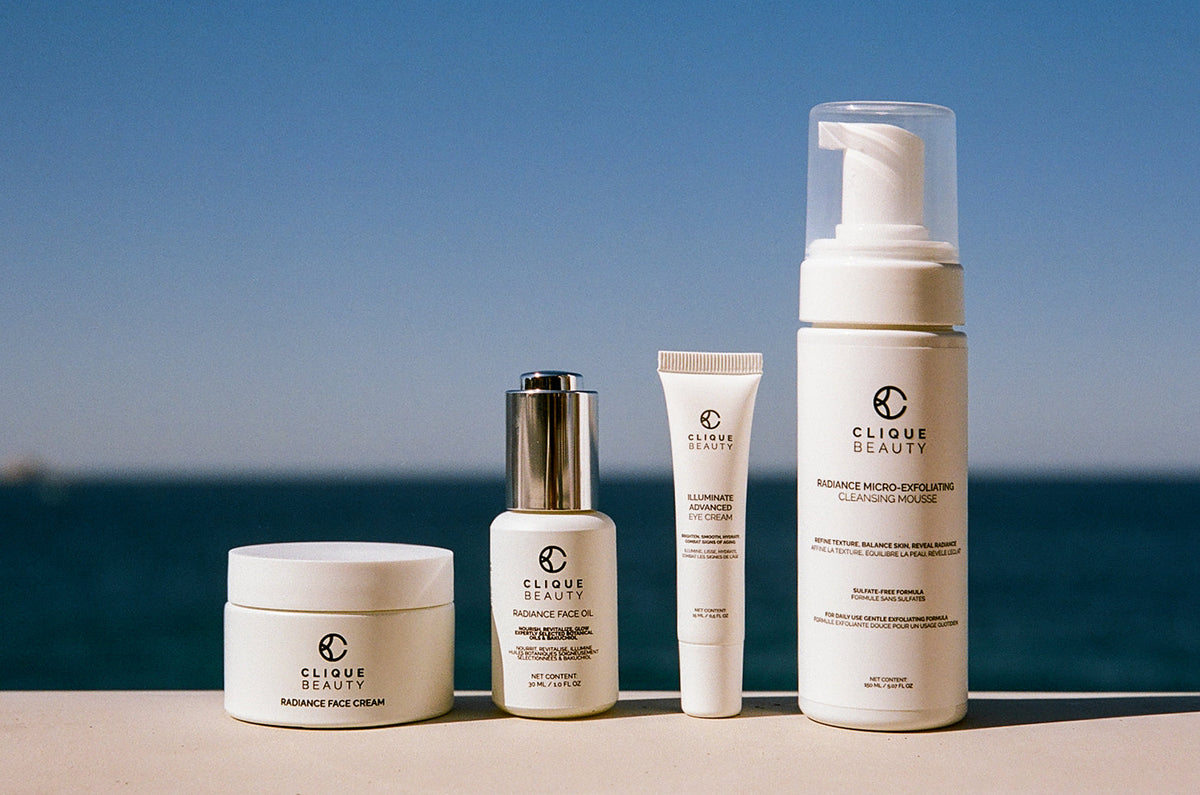
Our Radiance Face Cream pairs stabilized vitamin C (ascorbyl glucoside) with niacinamide. The two work along the same lines — more even tone, more radiance — while niacinamide also supports the skin barrier. The result is a daily brightening step gentle enough for morning use under SPF and makeup. In clinical testing, the cream measured a +42% increase in hydration.*
How to use vitamin C
Apply vitamin C in the morning, after cleansing and before moisturizer and SPF. It works well alongside niacinamide and hyaluronic acid. Always follow with broad-spectrum sunscreen — vitamin C helps defend skin against daytime oxidative stress, but it is not a substitute for SPF.
FAQ
Can I use ascorbyl glucoside every day?
Yes. Its stability and low irritation make it well suited to daily morning use.
Can I use it with niacinamide?
Yes. The two are compatible and are often formulated together, as in our Radiance Face Cream.
Does ascorbyl glucoside fade dark spots?
It can help even tone gradually over time, especially with daily SPF. For pigmentation, consistency matters more than strength.
Is it suitable for sensitive skin?
Generally yes — it is one of the gentler vitamin C forms and does not require the low pH that makes pure vitamin C irritating.
*Clinically measured increase in skin hydration. Individual results vary.


Comments