

Post-Summer Skin Repair: How to Undo Sun and Heat Damage
In short: Post-summer skin is usually dehydrated with a weakened barrier and uneven tone. Repair it in sequence — rehydrate first, rebuild the barrier, then gradually reintroduce actives and address pigmentation. Repair, don't strip.
What summer does to your skin
Sun, heat, chlorine, and salt water leave skin dehydrated and rough, with a compromised barrier and often uneven tone from sun-triggered pigmentation. The instinct is to exfoliate hard to "reset" — but that strips an already fragile barrier and makes things worse. The goal after summer is repair, not aggression.
The principle: repair, don't strip
A damaged barrier can't hold water, which is why post-summer skin feels tight and looks dull. Rebuild it before you reach for strong exfoliants or retinoids. Layer hydration and barrier lipids first; introduce actives only once the skin feels calm again.
A step-by-step repair plan
Step 1 — Rehydrate
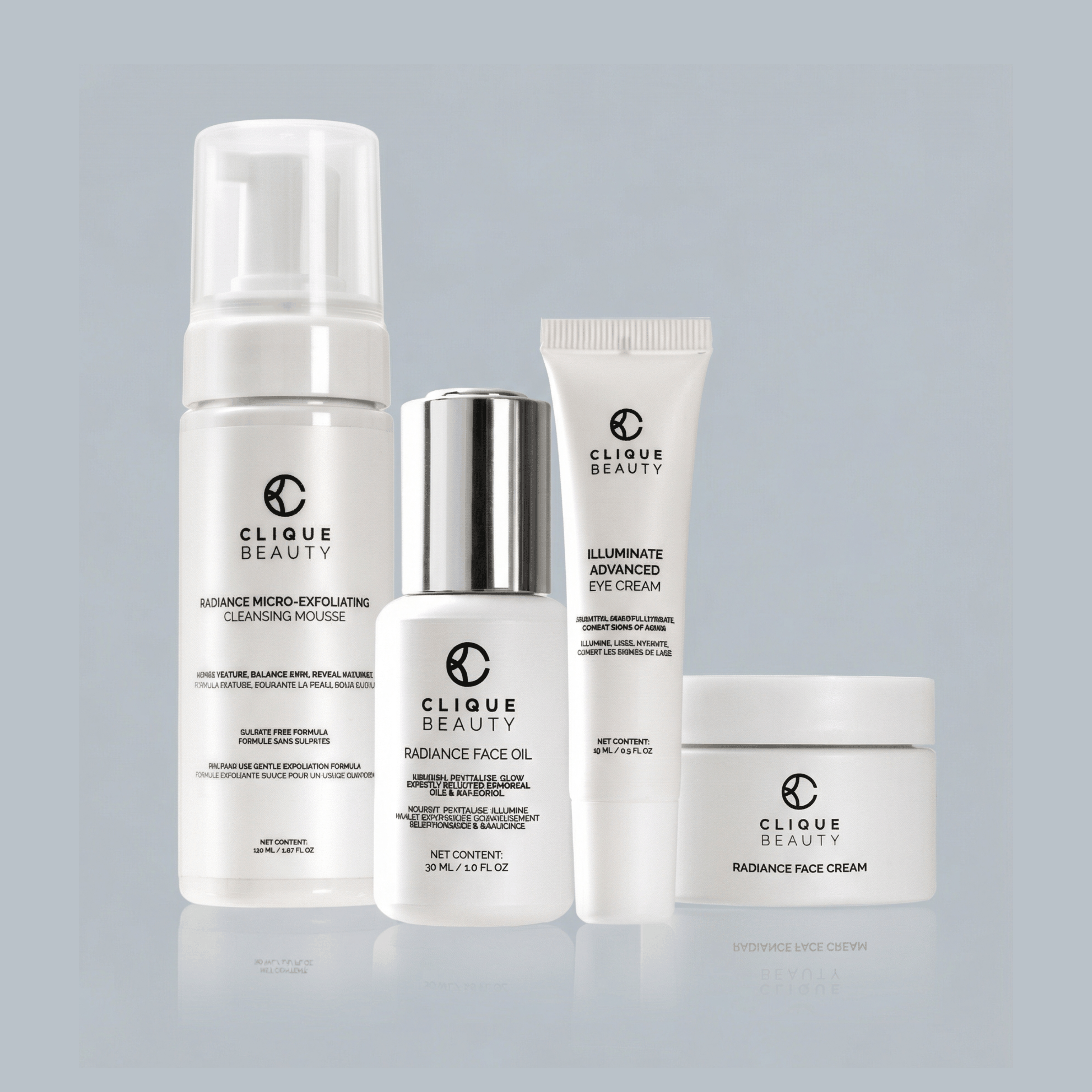
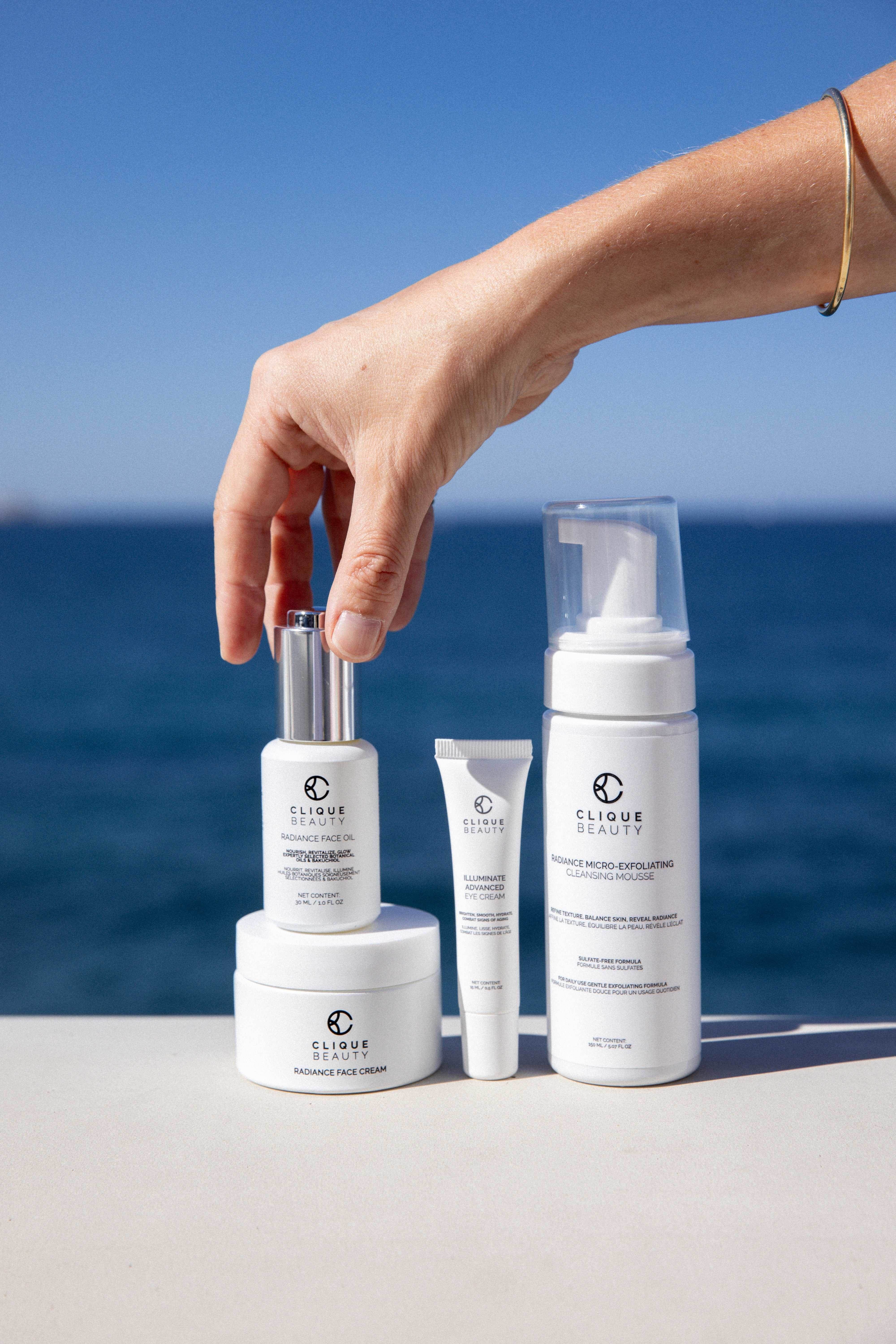
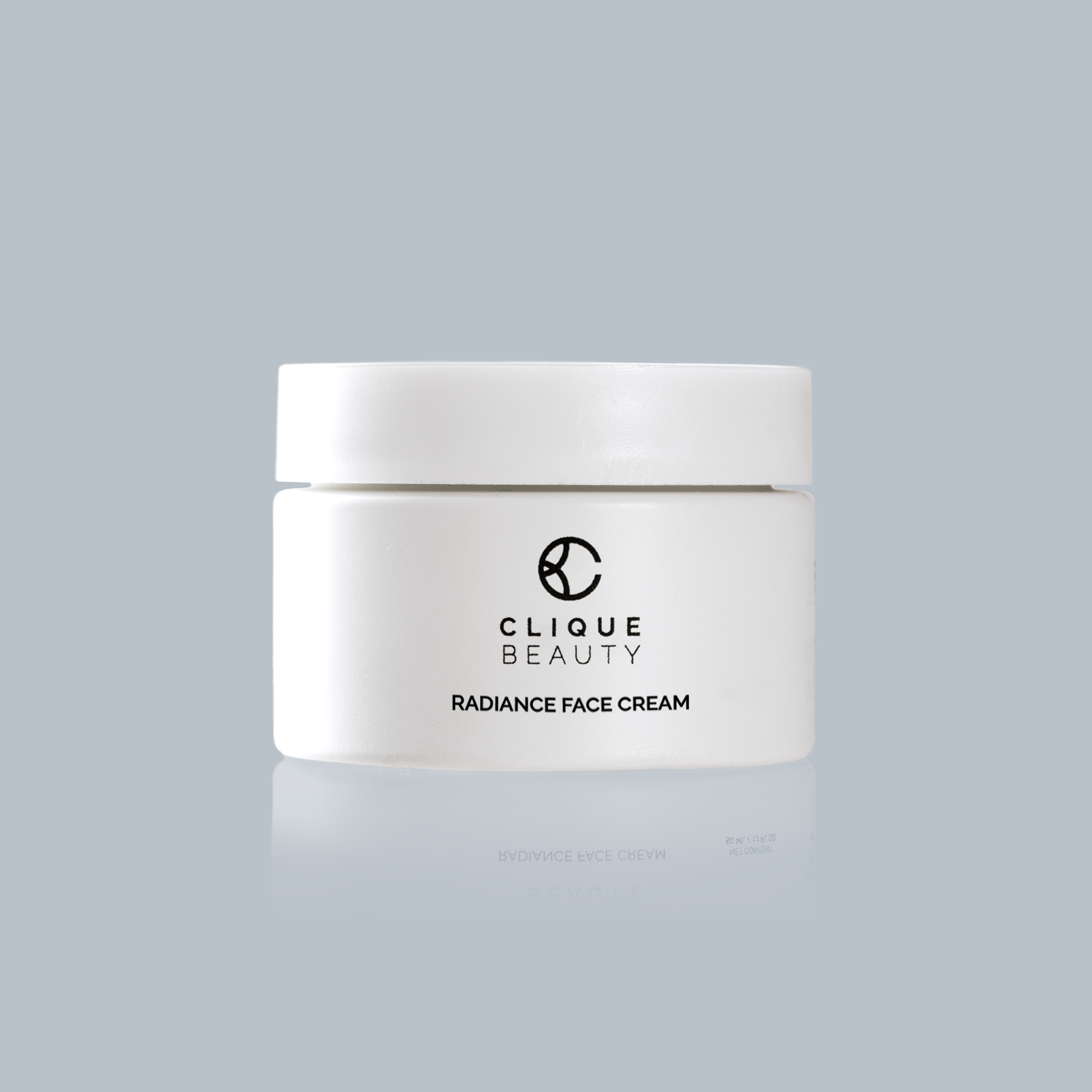
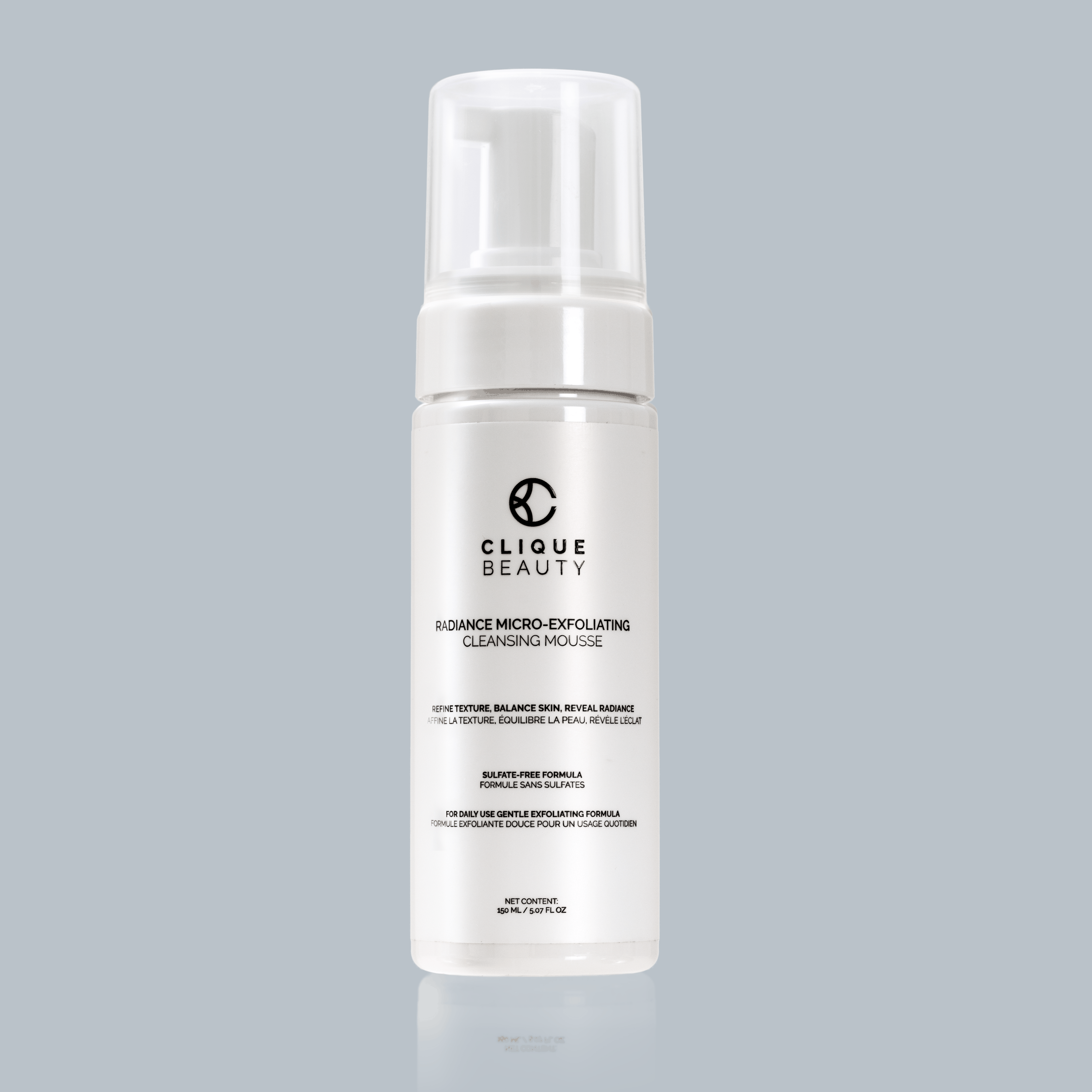
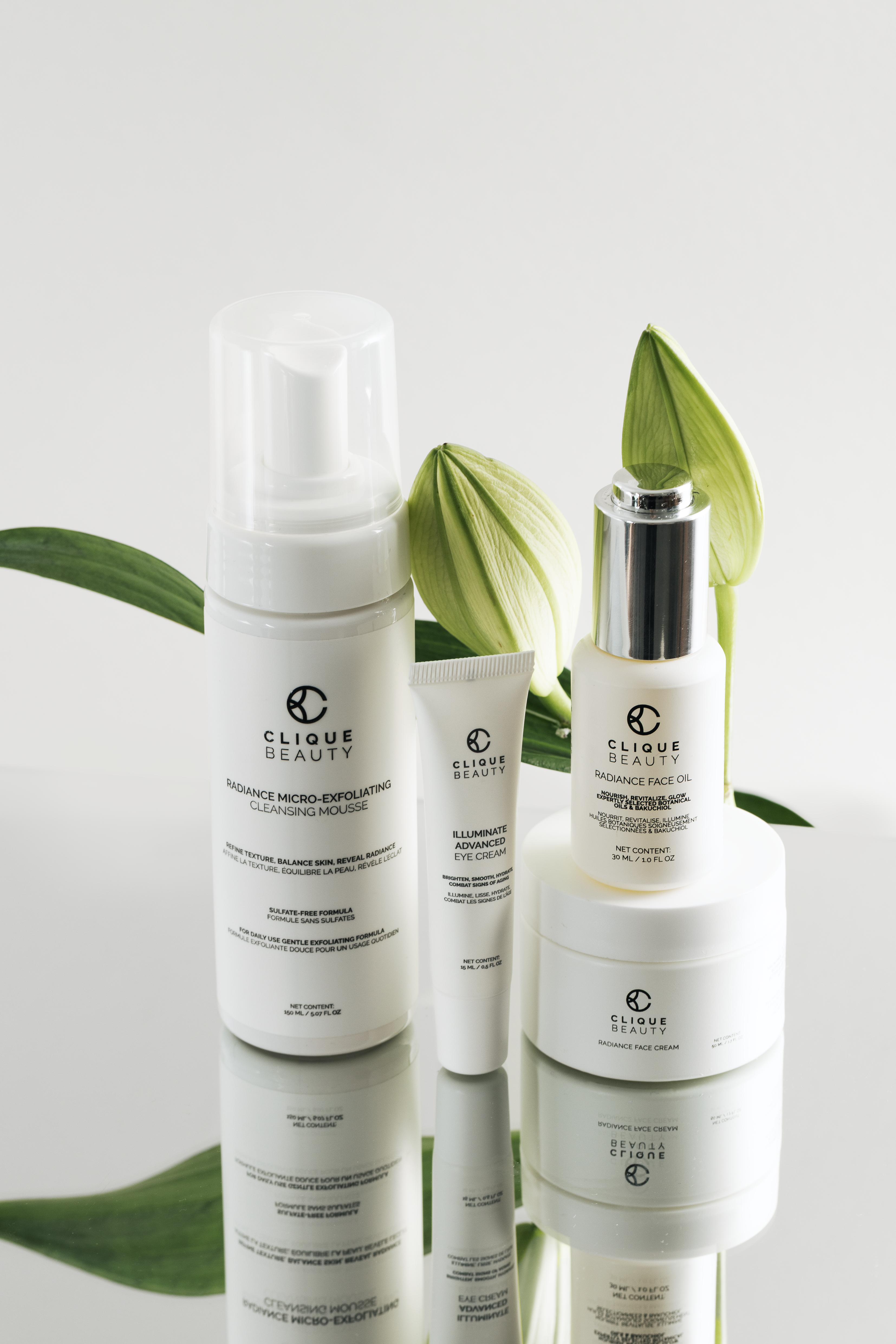
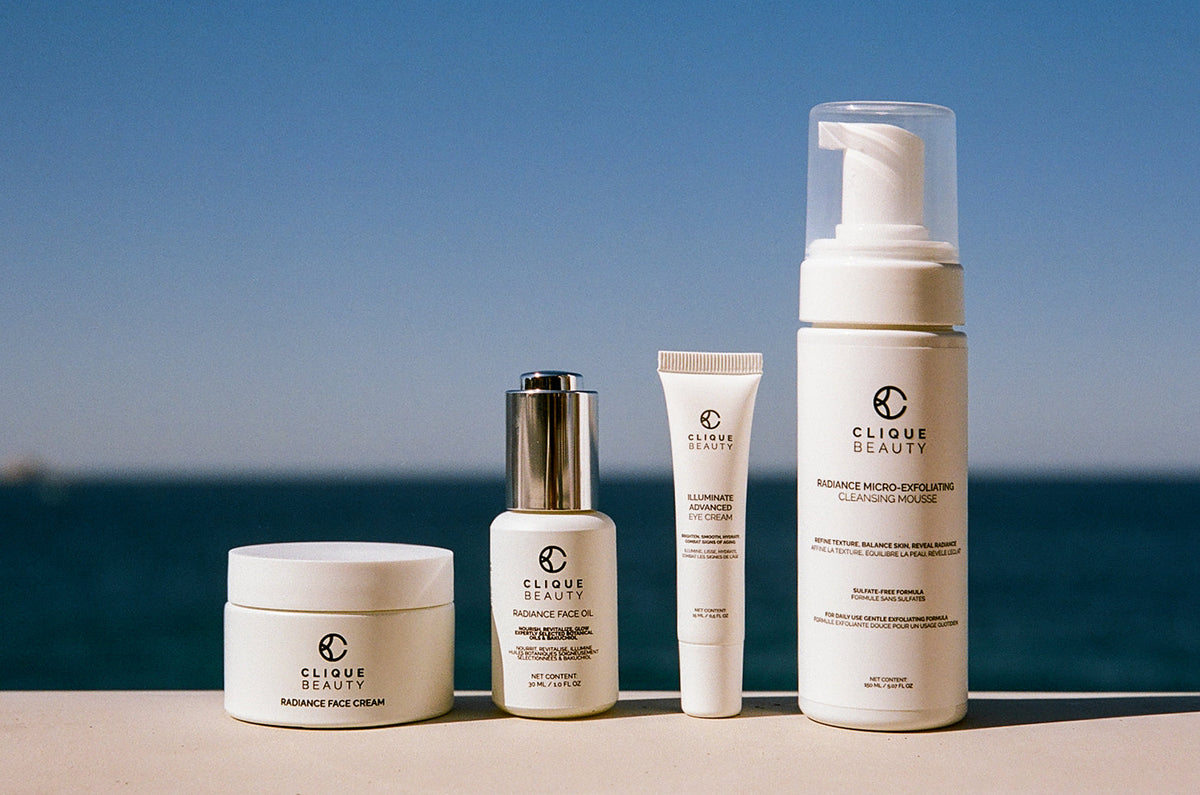
Focus entirely on water and comfort. Use a gentle cleanser, a humectant serum (hyaluronic acid, glycerin), and a rich moisturizer. No exfoliation at this stage. Our Radiance Face Cream measured a +42% increase in hydration in clinical testing*, which makes it a useful anchor for this phase.
Step 2 — Rebuild the barrier
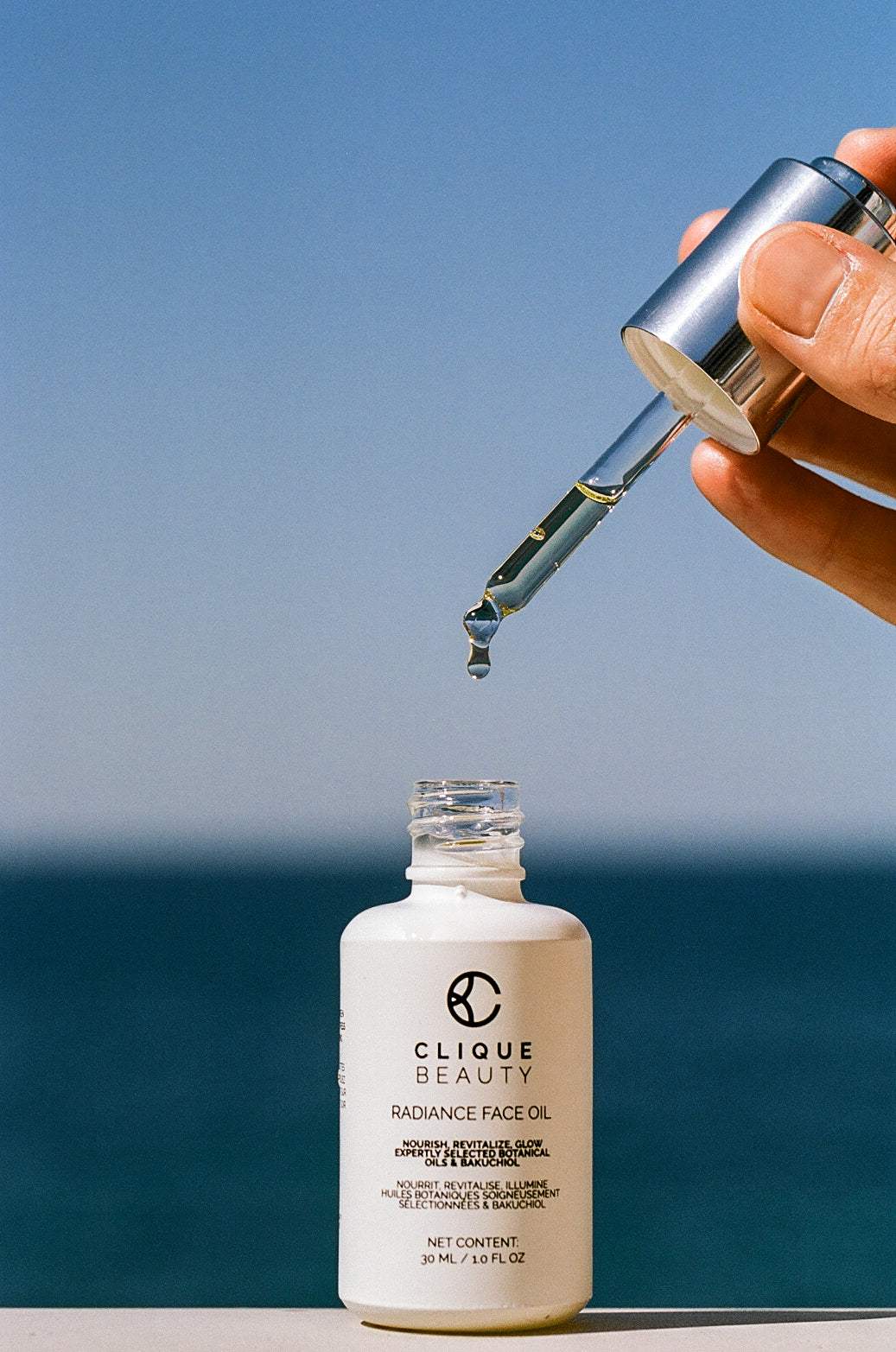
Add barrier-supporting ingredients — ceramides, fatty acids, and niacinamide. Keep everything simple and low in potential irritants. A few drops of Radiance Face Oil in your evening routine help seal in moisture while the barrier recovers.
Step 3 — Reintroduce actives gently
Once skin feels comfortable, reintroduce a renewing active. Bakuchiol is a gentler alternative to retinol for skin that's still recovering — start two or three nights a week and build up.
Step 4 — Address tone
Now target sun-triggered pigmentation with brightening ingredients such as vitamin C or niacinamide, used consistently. Pigmentation fades slowly — expect gradual improvement over time.
The ingredients that matter most
- Humectants (hyaluronic acid, glycerin) — pull water back into dehydrated skin.
- Ceramides and fatty acids — rebuild the barrier so it holds that water.
- Niacinamide — supports the barrier and helps even tone.
- Vitamin C — targets uneven pigmentation and adds antioxidant protection.
- Bakuchiol — encourages renewal without the irritation retinol can cause on fragile skin.
Don't stop sunscreen
Repairing sun damage while continuing to accumulate more is a losing battle. Daily SPF is what lets pigmentation fade and prevents new spots — keep it in your routine well past summer.
FAQ
How long does it take skin to recover after summer?
Barrier repair happens gradually with consistent, gentle care — skin feels comfortable again well before tone evens out. Pigmentation fades more slowly, over time.
Should I exfoliate to remove sun-damaged skin?
Not aggressively. Over-exfoliating a weakened barrier worsens dehydration. Rehydrate and rebuild first, then reintroduce gentle exfoliation.
Can I fade sun spots at home?
Consistent brightening ingredients and daily SPF gradually fade mild sun-triggered pigmentation. Persistent spots are worth reviewing with a dermatologist.
*Clinically measured increase in skin hydration. Individual results vary.
Comments