


Nigella Oil for Skin: What Black Seed Oil Actually Does
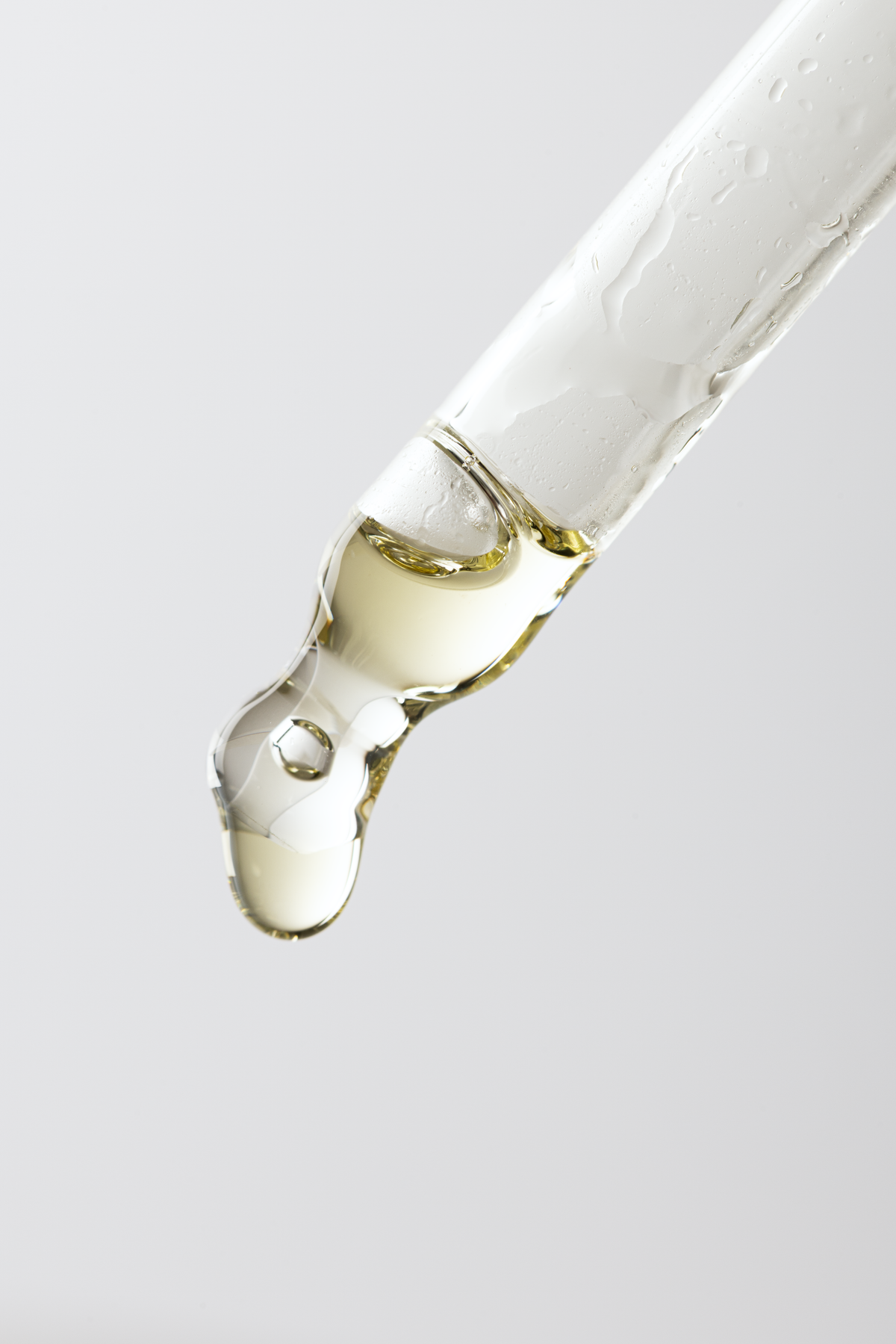
In short: Nigella oil — black seed, black cumin — is cold-pressed from the seeds of Nigella sativa. It is a linoleic-rich oil, which is why it feels light rather than heavy, and thymoquinone is its characteristic constituent. On skin it works as a replenishing, conditioning emollient. You rarely see it sold on its own, and there is a formulation reason for that.
What is nigella oil?
Nigella sativa is a small flowering plant in the buttercup family. Its seeds are black, angular and about the size of a sesame seed, and they have been used in cooking and in traditional preparations across North Africa, the Middle East and South Asia for a very long time.
The oil is cold-pressed from those seeds. It comes out deep amber to brown, with a peppery, faintly bitter aroma that is unmistakable once you have smelled it. The common names cause confusion: black seed, black cumin and kalonji all refer to the same plant, and none of them is actually cumin.
What is actually in it
Three things are worth knowing, and the first one explains how the oil feels on skin.
- Linoleic acid, at roughly 50 to 60%. This is the dominant fatty acid, with oleic acid at around 20%. Linoleic acid is also one of the fatty acids skin uses in its own barrier lipids.
- Thymoquinone. The constituent most associated with the plant. It sits mainly in the volatile fraction and is present in measurable amounts in the pressed oil, and it is the component most often studied for antioxidant activity.
- Tocopherols. Naturally occurring vitamin E, which contributes antioxidant protection to the oil itself as well as to skin.
Why the fatty acid profile matters more than the name
Botanical oils are often sorted by plant, which tells you almost nothing about how one will behave. Sorting them by dominant fatty acid tells you a great deal.
Oils high in oleic acid feel richer and sit on the surface longer. Oils high in linoleic acid feel lighter, absorb faster and tend to suit skin that wants replenishment without weight. Nigella belongs firmly in the second group — which is the practical reason it works in a formula designed not to feel greasy.
| Oil | Dominant fatty acid | What it contributes | How it feels |
|---|---|---|---|
| Nigella (black seed) | Linoleic, around 50–60% | Replenishing and conditioning; thymoquinone and tocopherols as antioxidant constituents | Light, absorbs quickly |
| Evening primrose | Linoleic, plus gamma-linolenic acid | Softness and comfort; supports the barrier | Light, slightly cushioning |
| Rosehip (Rosa canina, Rosa rubiginosa) | Linoleic and linolenic | Carotenoids and provitamin A; supports a more even-looking surface | Light, dries down fast |
| Argan | Oleic | Cushion and lasting suppleness | Richer, stays on the surface longer |
| Jojoba | Not a triglyceride at all — a liquid wax ester | Structurally close to the skin's own sebum, so it balances rather than adds | Light, almost dry |
One correction worth making while we are here, because it circulates constantly: rosehip oil is not a source of vitamin C. Ascorbic acid is water-soluble and does not carry into a pressed oil. The confusion comes from the rosehip fruit, whose pulp genuinely is rich in it. The vitamin in a face oil is vitamin E.
What nigella oil does on skin — and what it does not
As a cosmetic ingredient, nigella oil is an emollient with skin-conditioning and antioxidant properties. It helps replenish and condition, and it supports the comfort of skin that feels depleted. Used in a blend, it contributes its fatty acid profile to the barrier-supporting side of the formula.
What it is not is a treatment. You will find pages describing nigella oil as a remedy for inflammatory skin conditions, and that is a step a cosmetic ingredient cannot take. Eczema and psoriasis are medical conditions that belong with a clinician, and no face oil — ours included — is a therapy for them. An oil can make skin feel more comfortable. That is a different claim, and it is the one worth making.
Why you rarely see it sold on its own
Two practical reasons, both of them about usability rather than performance.
The color is dark enough to be visible on the skin for a moment after application, and the aroma is peppery and assertive. In a single-ingredient product you notice both. In a composed blend, nigella contributes what it is good at while lighter oils carry the texture and the composition handles the scent — which is part of why a formula is perfumed in the first place, as we cover in is fragrance in skincare bad for your skin.
The second reason is that no single oil covers everything. A barrier-supporting oil, a fast-absorbing oil and an antioxidant-carrying oil are not usually the same oil. Blending is how you get all three without a heavy finish.
How we approach this at Clique Beauty
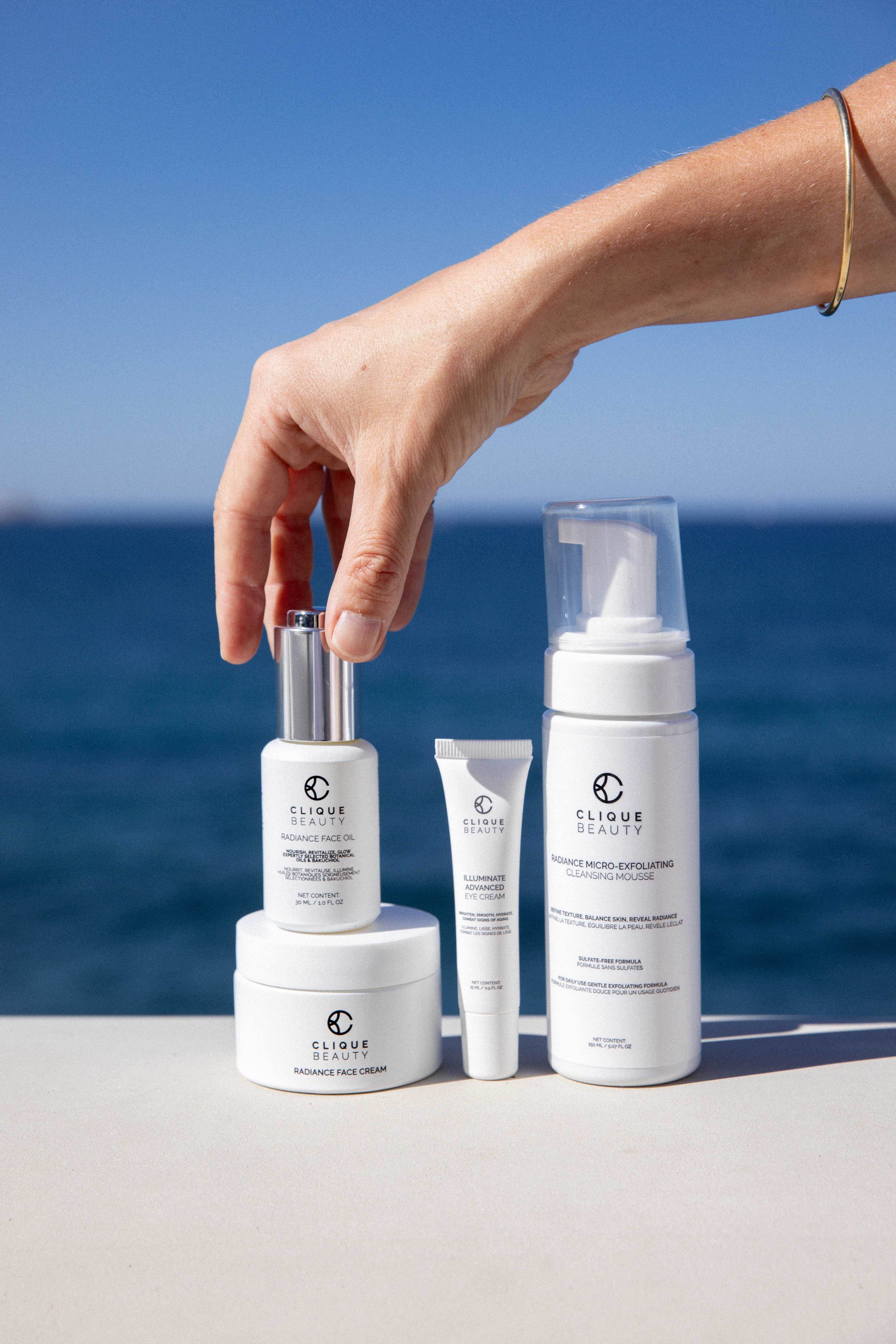
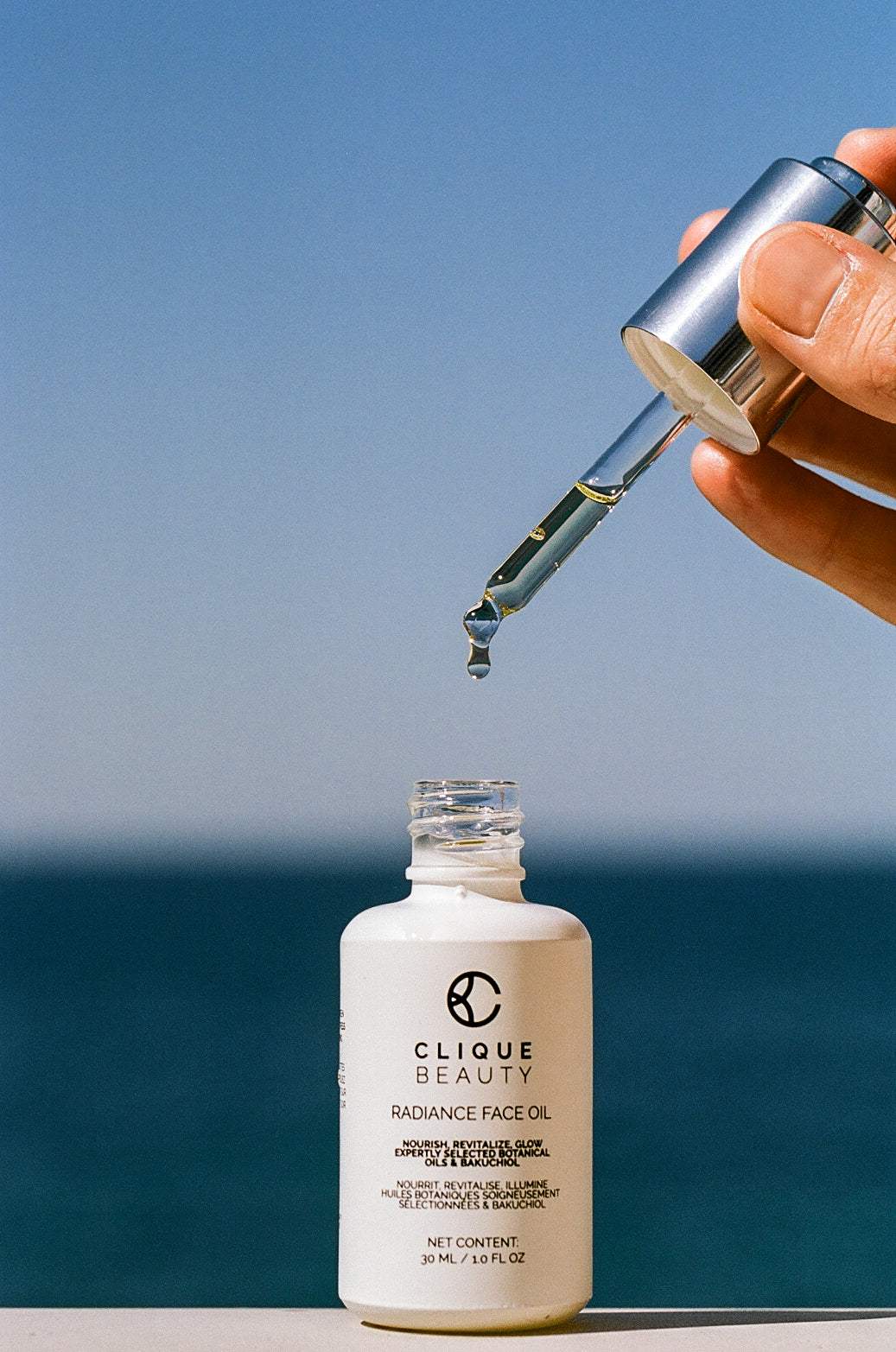
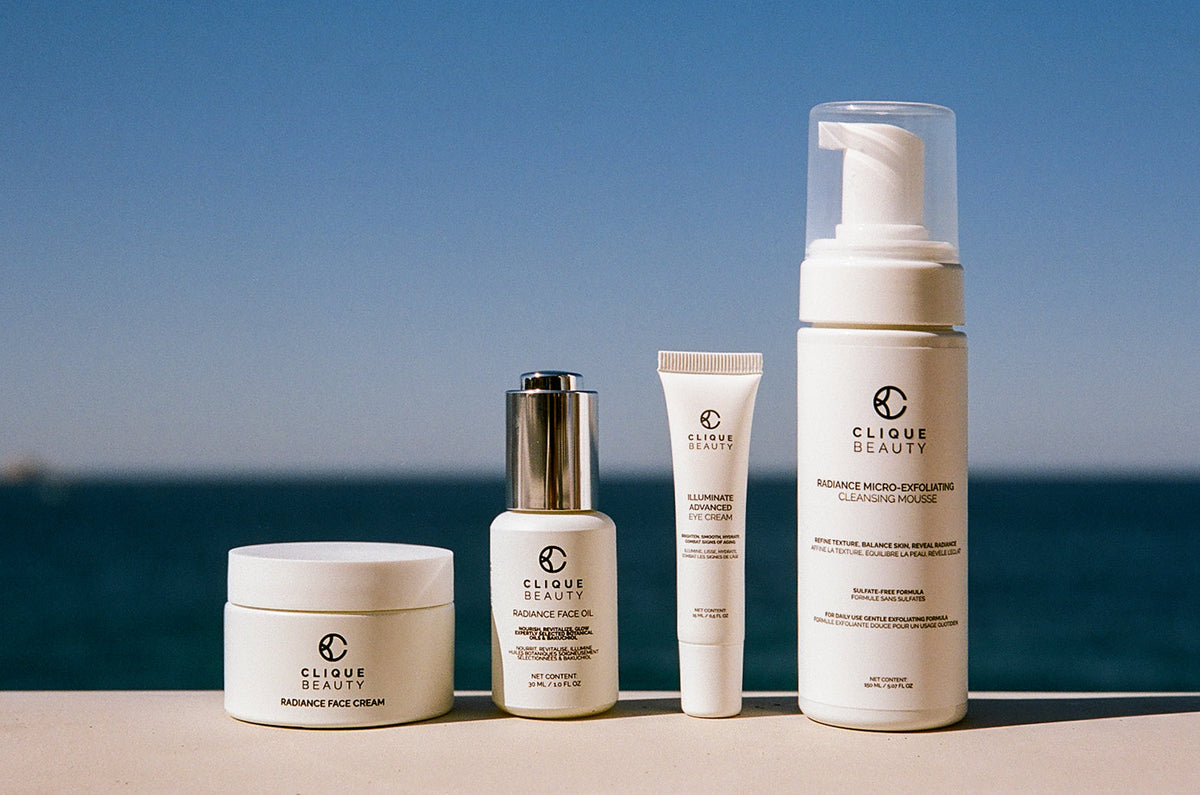
Nigella is one of the thirteen botanical oils in our Radiance Face Oil, where its job is replenishing and conditioning. Among the others are sunflower, sesame, organic jojoba, grape seed, safflower, argan, hazelnut, evening primrose, plum and two roses, Rosa canina and Rosa rubiginosa, alongside bakuchiol, tocopherol and a bitter cherry flower extract.
Hazelnut oil is what gives the formula its dry-touch finish, and bakuchiol is the active the blend is built around — compared with retinol in bakuchiol vs. retinol. Nigella is not the headline. It is one of the reasons the oil feels light while still doing something for the barrier.
Two to three drops pressed into clean skin, used alone or before your moisturizer. The order is not arbitrary — see how to layer a face oil and a moisturizer.
FAQ
Is black seed oil the same as nigella oil?
Yes. Black seed, black cumin, kalonji and nigella all refer to Nigella sativa. Despite the name, it is not related to true cumin.
Will nigella oil clog my pores?
Comedogenicity ratings for botanical oils are not reliable predictors for an individual, and a single oil behaves differently inside a finished blend than it does neat. Linoleic-rich oils like nigella tend to feel lighter on congestion-prone skin, but how your own skin responds is the only useful answer.
Can I use nigella oil on its own?
You can, and some people like it. Expect a dark color and a peppery scent, and expect it to do one job rather than several. A blend is the trade-off most formulas make, and why a face oil can be the most efficient step explains what a blend is for.

Comments