

The Correct Order to Apply Skincare (Morning and Night)
In short: Water-based goes before oil-based, and SPF is always last in the morning. The familiar thinnest-to-thickest shortcut works well for the early steps, but it does not settle where a face oil belongs — that depends on the oil's texture and what it was formulated to do. A lightweight, fast-absorbing oil goes before the cream; a thick occlusive balm goes after it.
The principle — and where it stops working
Skincare layering follows one broad principle: apply products from the lightest, most watery texture to the richest. Lighter formulas need direct contact with skin to absorb; heavier ones sit above them. Water-based products go before oil-based ones, because an oil film will block a watery layer applied over it. That part is reliable.
Where the shortcut breaks down is at the end of the routine, because a face oil and a moisturizer both sit there and thinnest-to-thickest does not tell you which comes first. A modern dry-touch facial oil is often lighter than the cream that follows it, which is why the rule gives the wrong answer as often as the right one.
So there is no universal law here, in either direction. The order of those two steps is decided by the formulation — what each product is made of and what it is meant to do — not by a rule you can apply blind.
The correct morning order
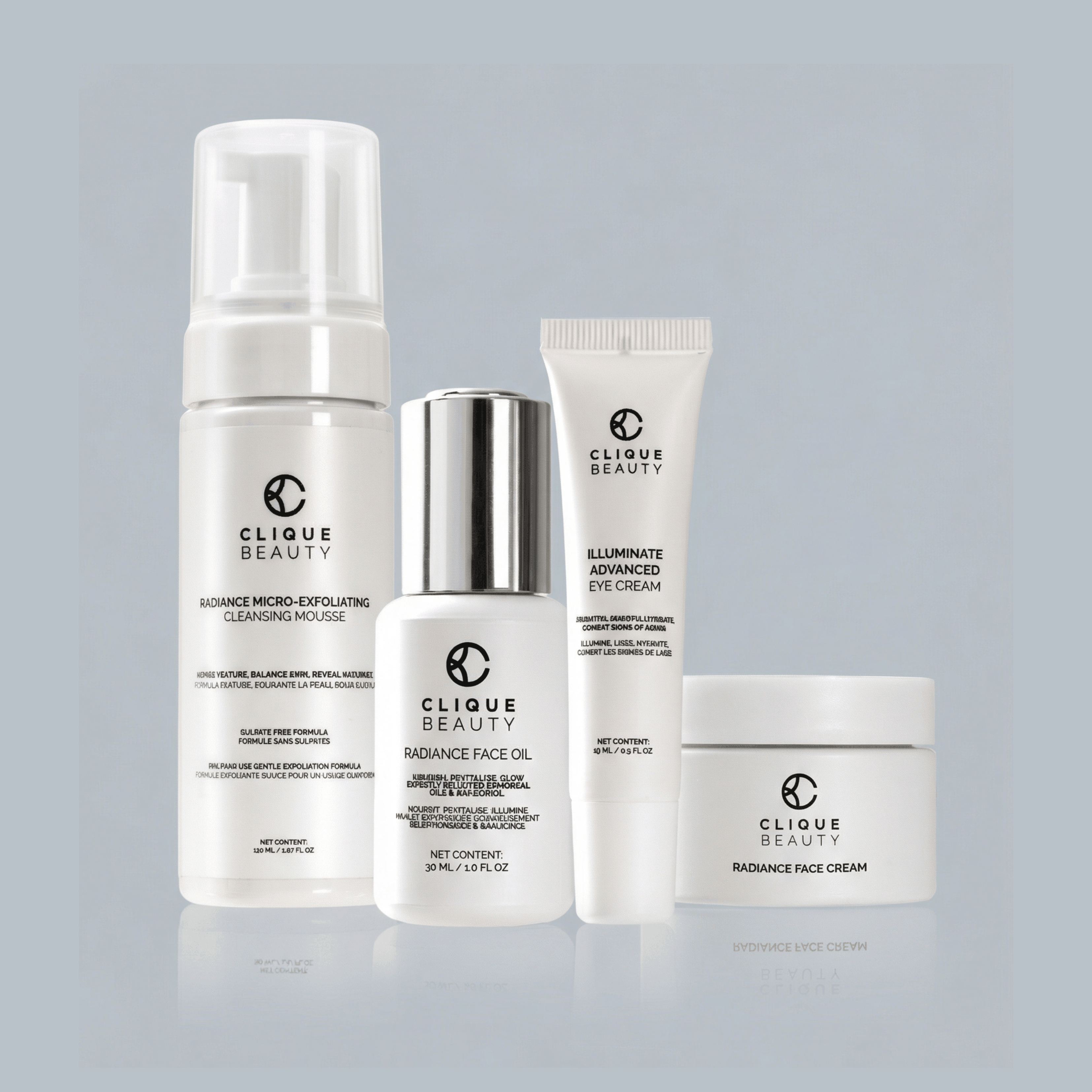
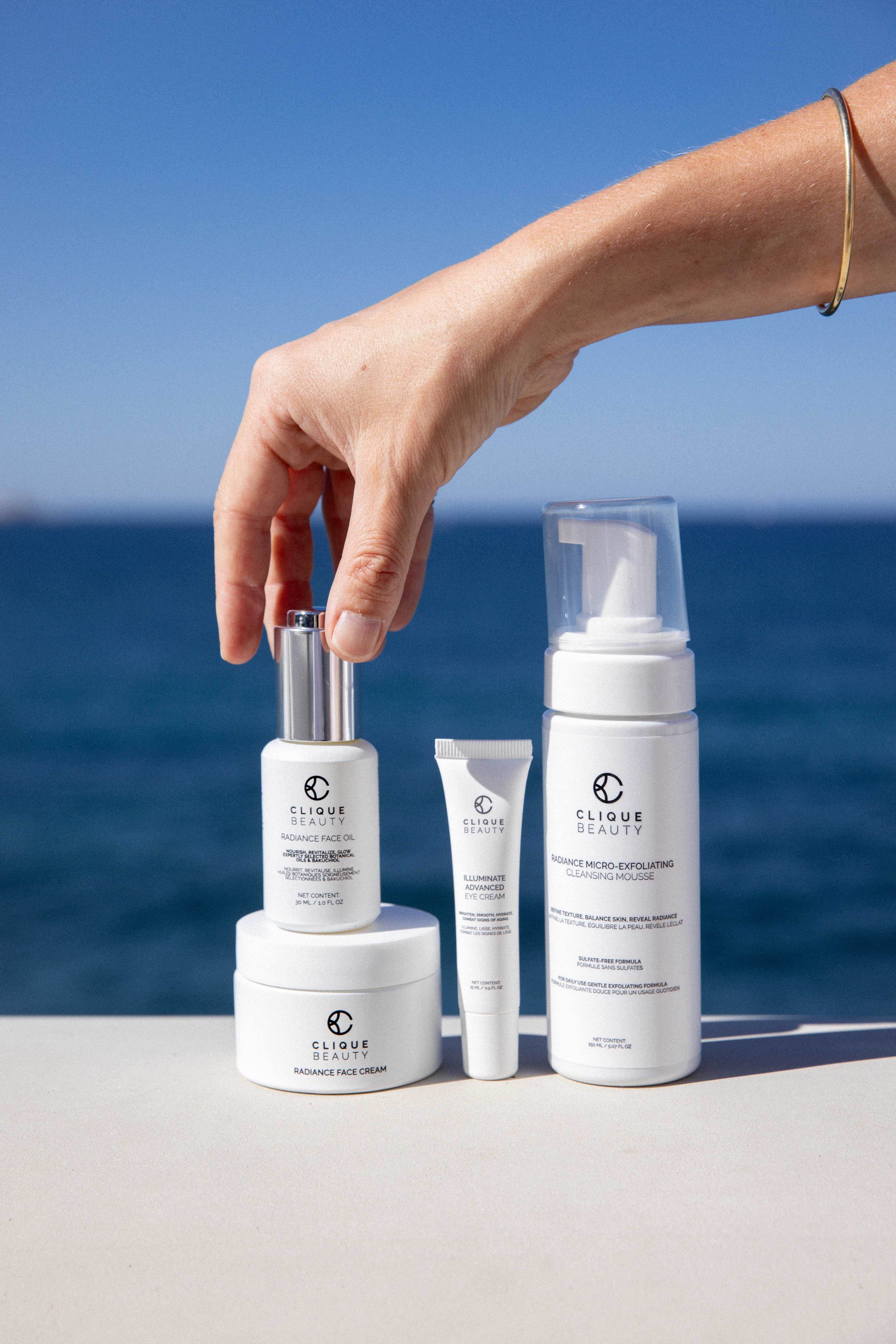
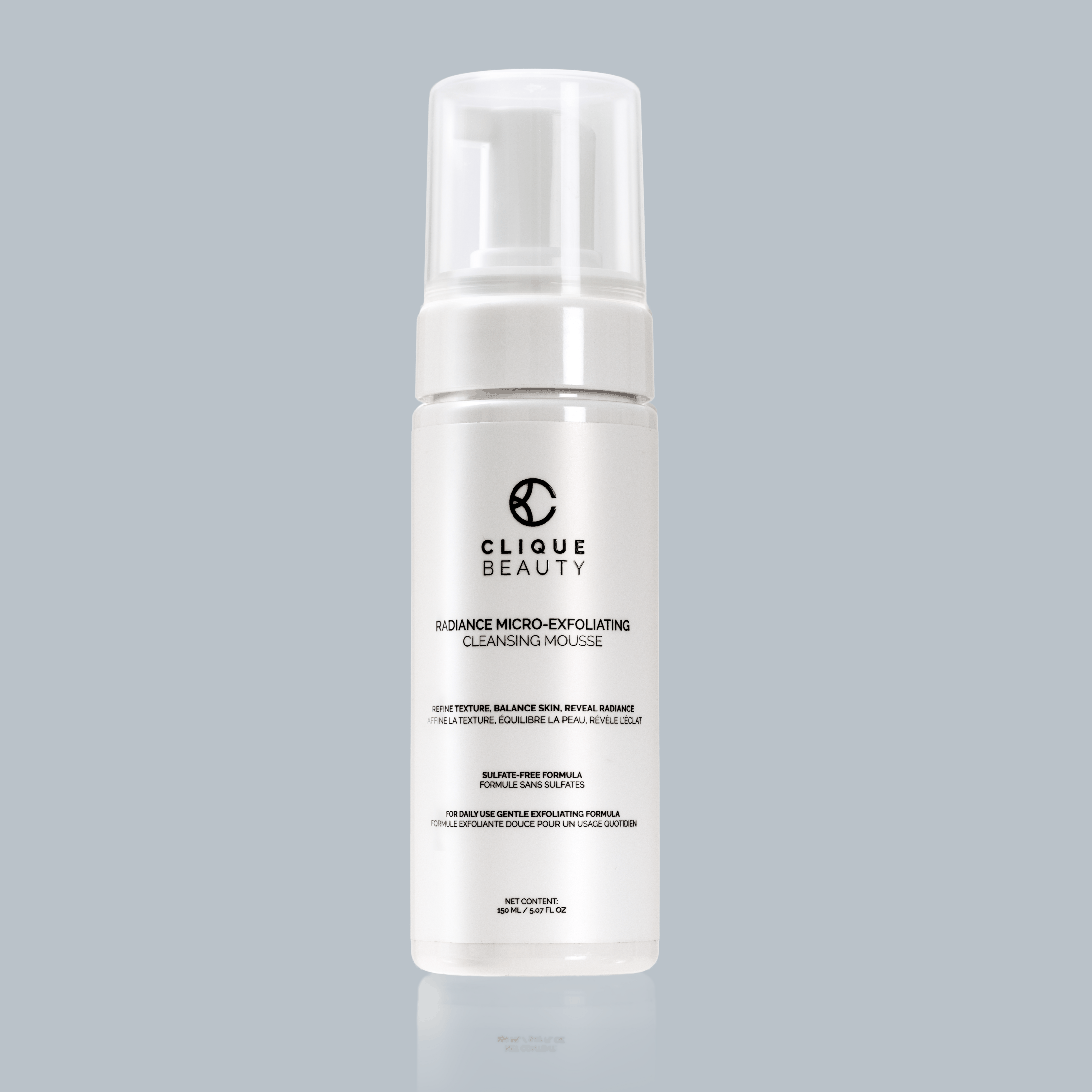
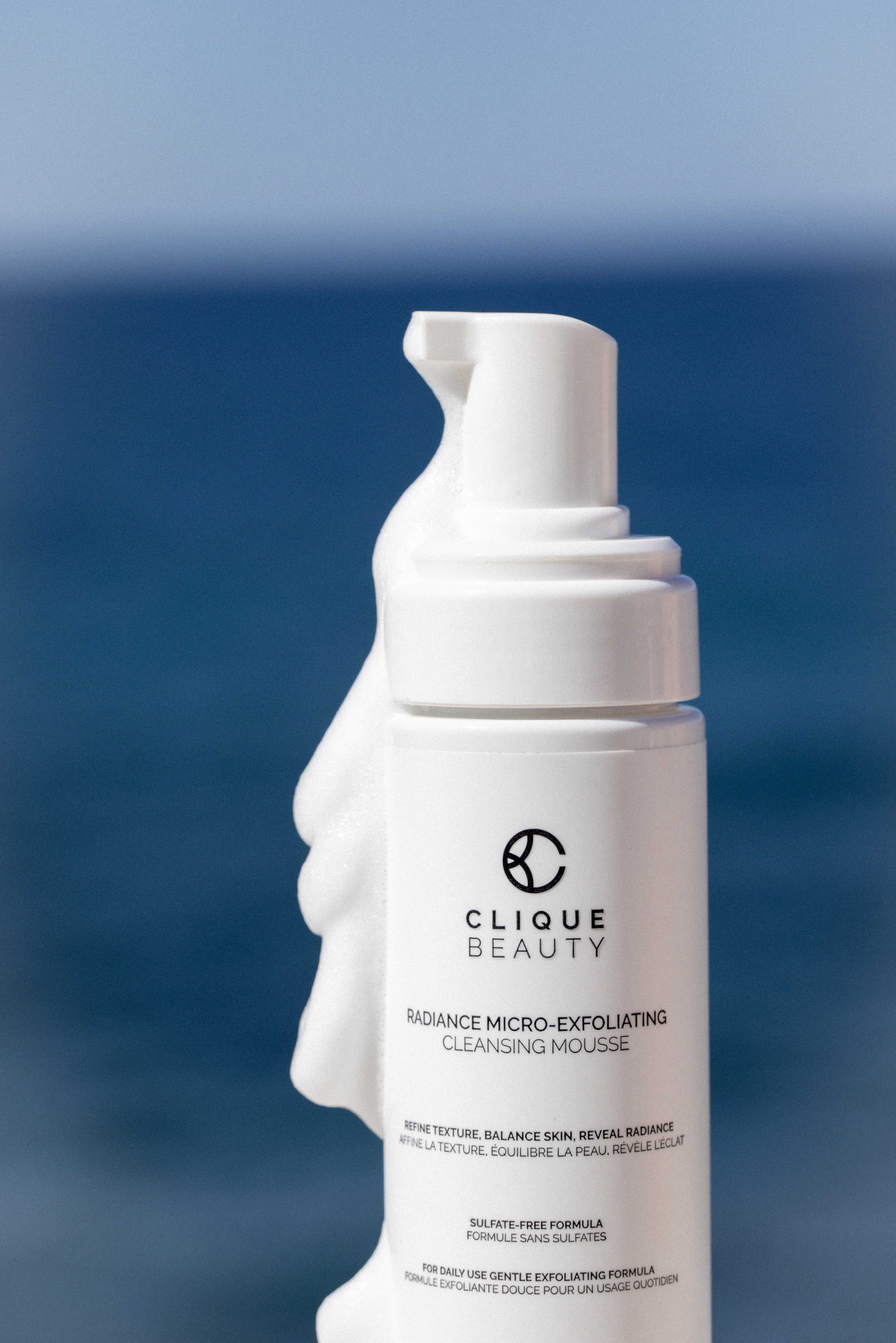
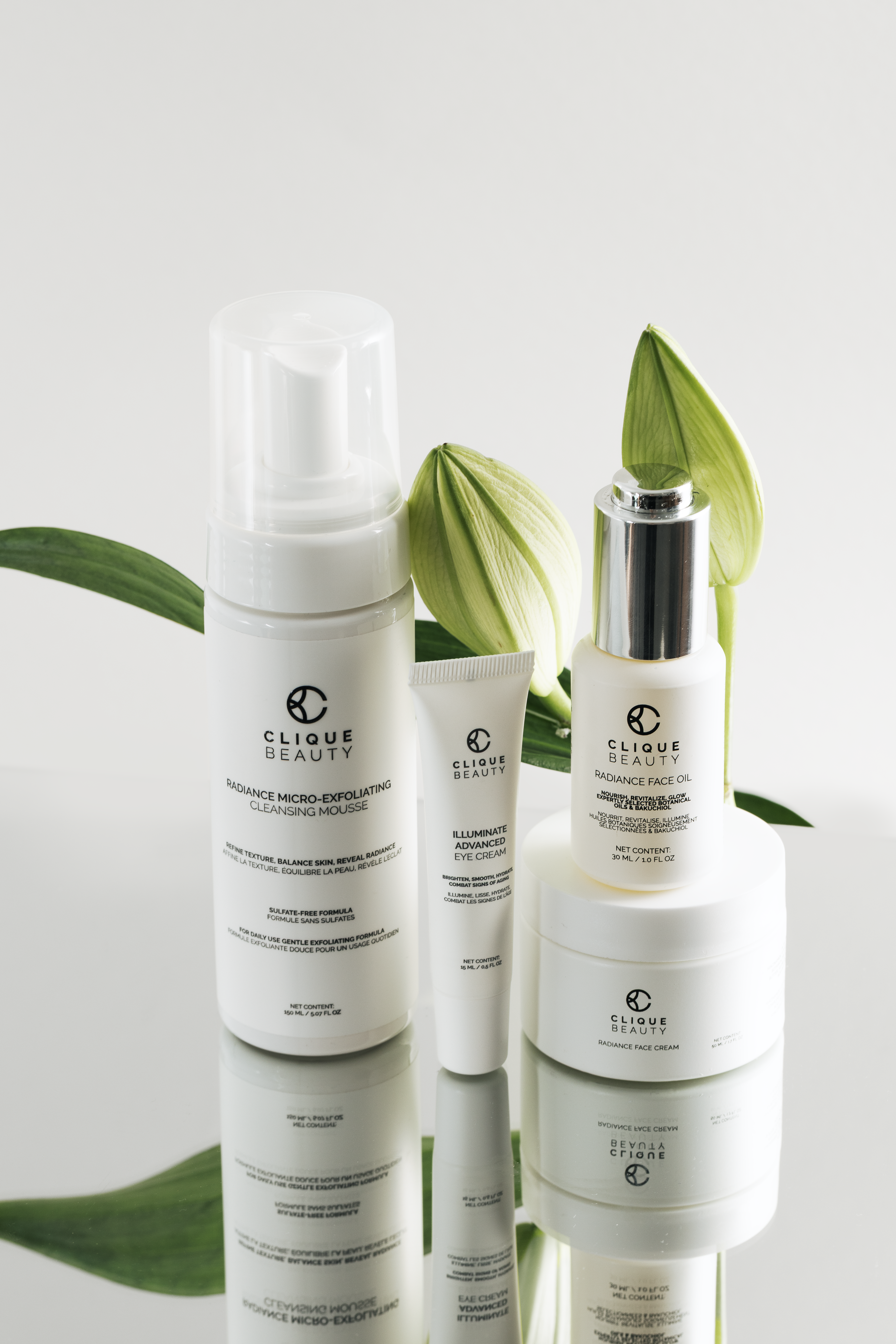
- Cleanser — start with a clean base. Our Radiance Micro-Exfoliating Cleansing Mousse removes overnight sebum without stripping the barrier.
- Water-based serum — antioxidants like vitamin C go here, on bare skin, where they absorb best.
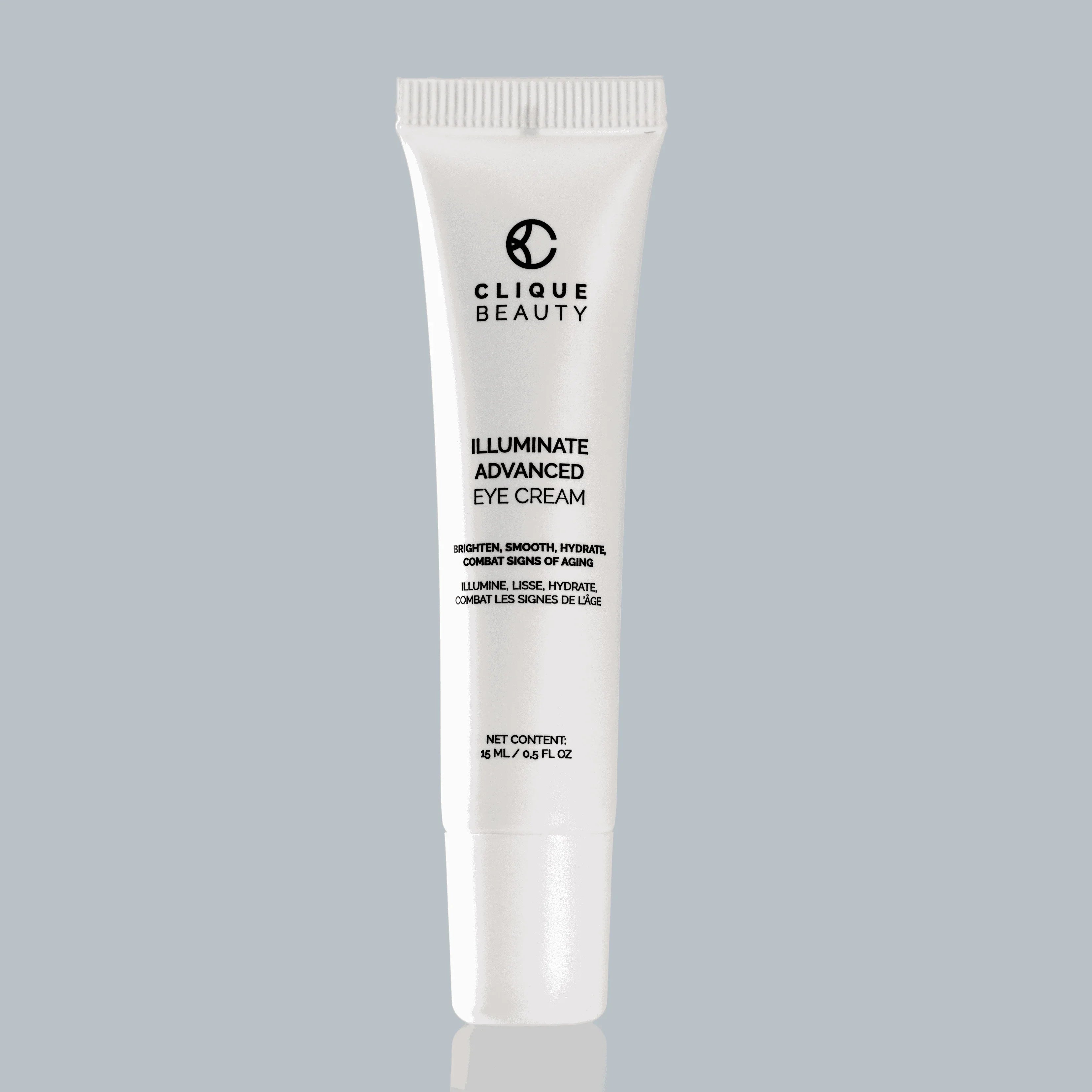
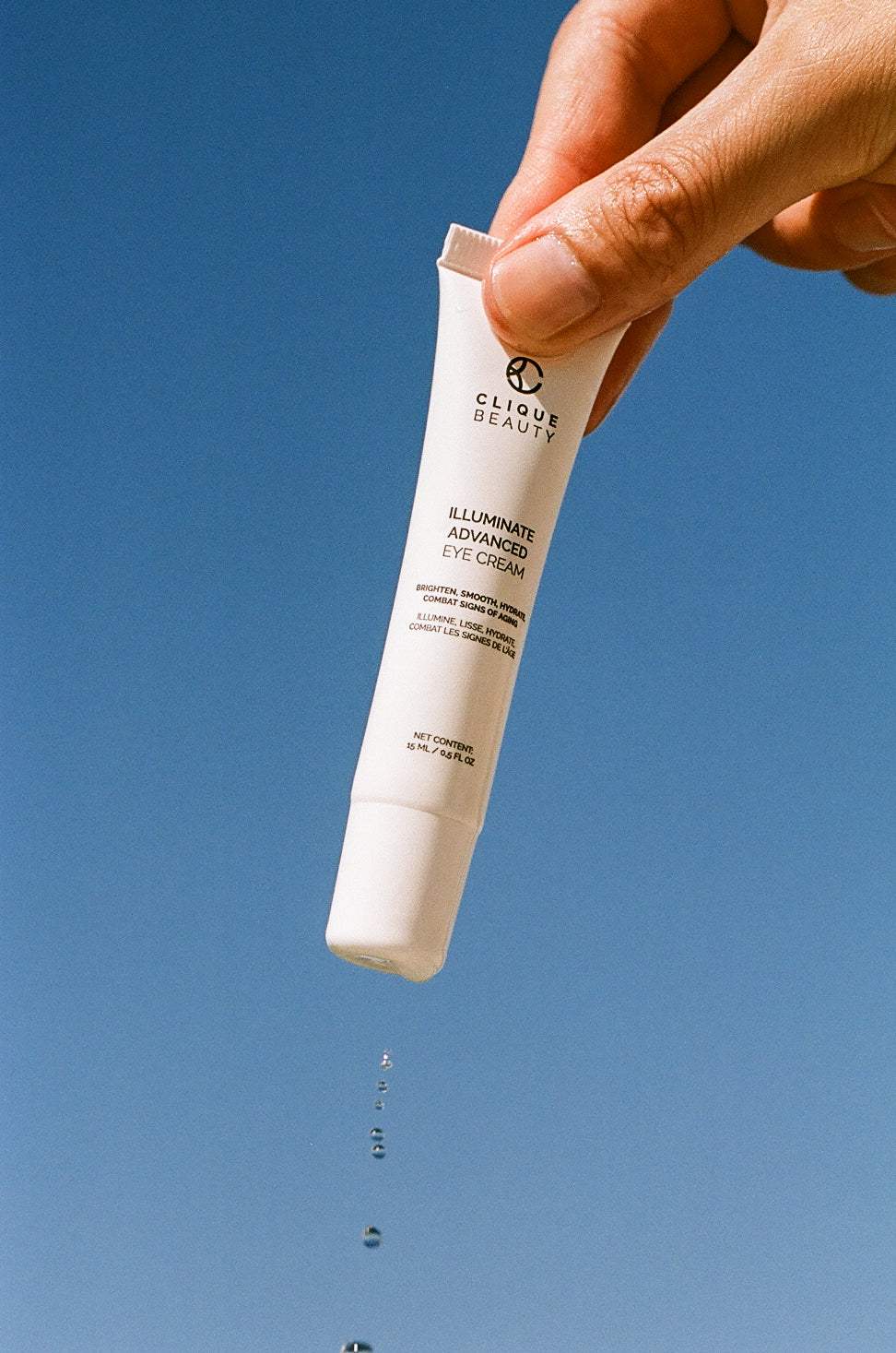
- Eye cream — a small amount around the orbital bone. Our Illuminate Advanced Eye Cream layers cleanly under everything that follows.
- Face oil — a few drops pressed into the skin. With a lightweight, fast-absorbing oil this is the right place for it; let it settle before moving on.
- Moisturizer — the closing skincare step, carrying the humectants and the occlusive layer that hold everything in.
- SPF — always last — sunscreen must sit on top of everything to work as a protective film. Nothing goes over it.
The correct evening order
- Cleanser — double cleanse if you wore makeup or SPF, to fully remove the day.
- Treatment serum — retinol, bakuchiol, or exfoliating acids belong at night.
- Eye cream
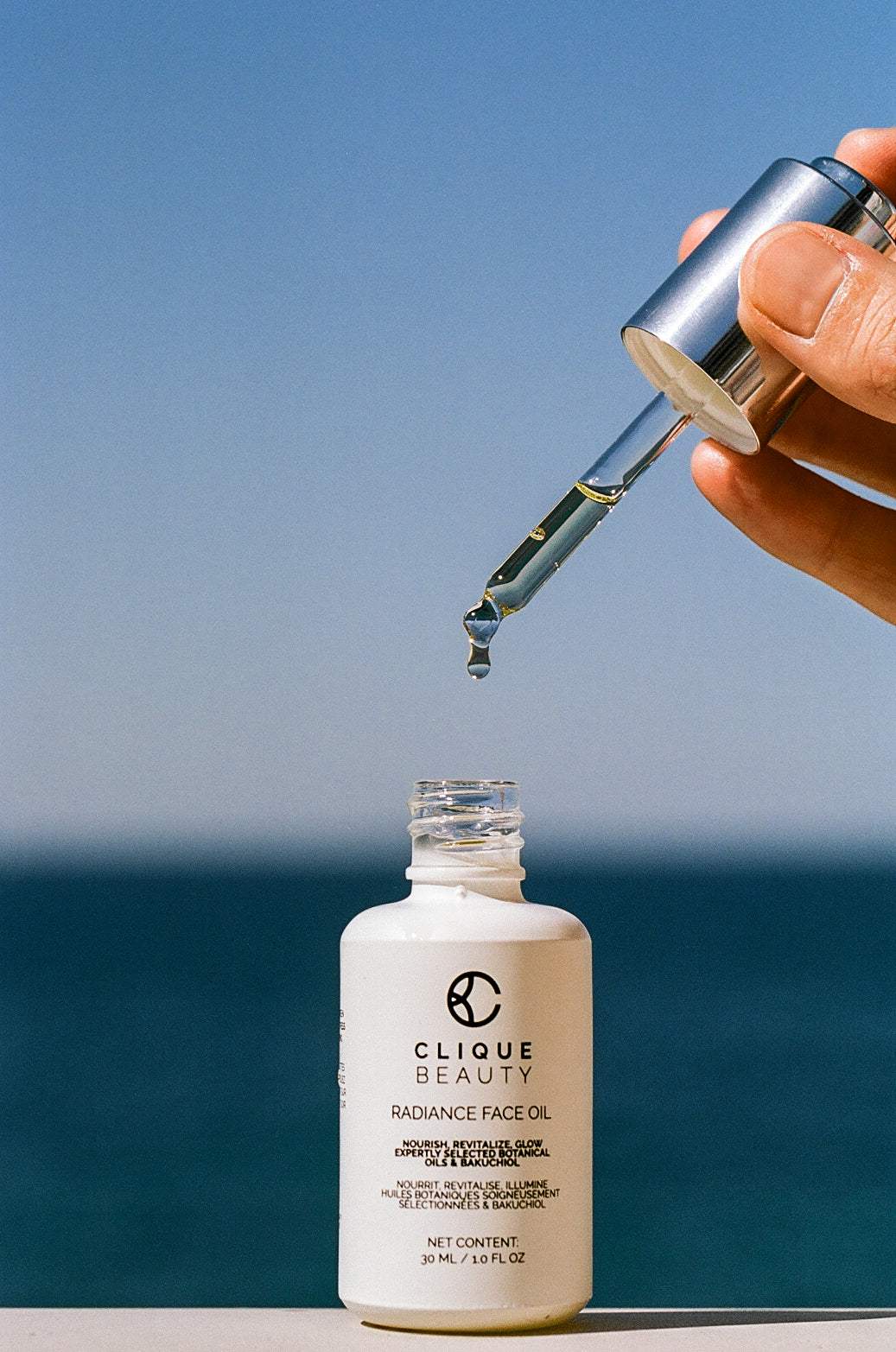
- Face oil — a few drops of our Radiance Face Oil pressed into clean skin. It can also stand alone on evenings when skin needs nothing more.
- Moisturizer — finishes the routine overnight.
Face oil: before or after your moisturizer?
This is the step people get stuck on, and the honest answer is that it depends on the oil in your hand rather than on a rule.
- A lightweight, dry-touch botanical oil goes before the cream. It is formulated to sink in rather than form a film, so it conditions the surface and leaves the cream free to deliver its humectants and close the routine. It also sits better under makeup.
- A thick, purely occlusive balm goes after the cream. Heavy petrolatum-style products are designed to form a surface layer, and that only works as the final step. This is where "oil seals everything in" comes from — it is true of that kind of product and not of the other.
- What decides it is texture and role, not category. Read the finish rather than the word "oil" on the front. If it absorbs and disappears, it belongs early; if it stays on the surface by design, it belongs last.
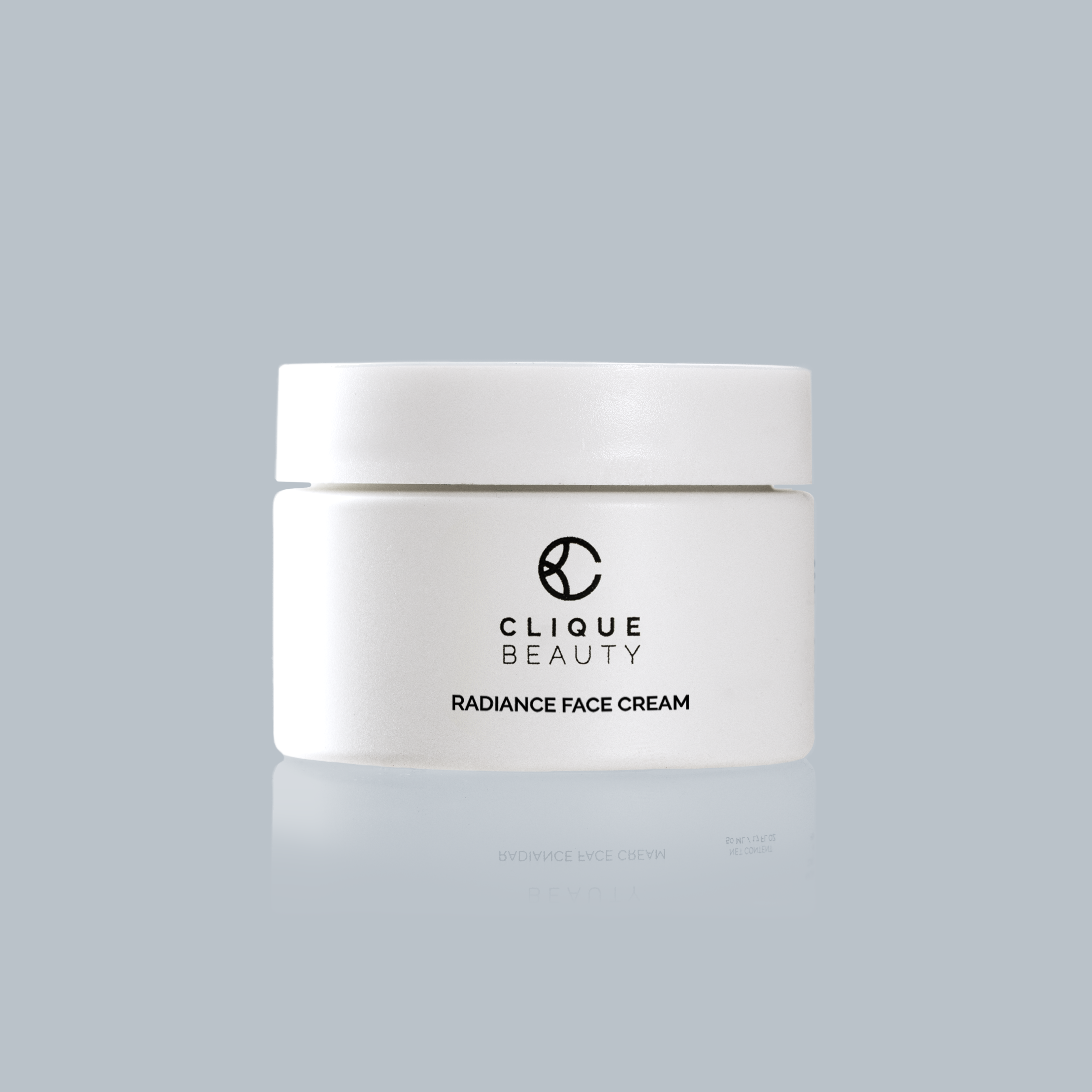
Our own formulas are a concrete case of the first kind. The Radiance Face Oil has a dry-touch finish built to penetrate, so it is pressed in before the Radiance Face Cream, which finishes the routine. That is the order on both product pages, and it is specific to how those two are made rather than advice about every oil and cream.
The one thing to avoid regardless is putting any oil under a water-based serum, since the oil would block it. We go deeper into the trade-offs in how to layer a face oil and a moisturizer.
How long to wait between steps
You don't need to wait long — simply let each layer settle for a moment before the next one, so it glides on evenly. An oil is the one step worth pausing for: if the surface still feels wet, the cream will slide rather than spread. The other exception is prescription retinoids or high-strength acids, where a short pause can reduce irritation.
Common layering mistakes
- Applying SPF before moisturizer (SPF must be last in the morning).
- Putting oil under a water-based serum.
- Treating thinnest-to-thickest as a law that settles where the oil goes — it does not.
- Assuming every oil is a final sealing step. That is true of heavy balms, not of dry-touch blends.
- Using too many active serums at once — layer conflicting actives on alternate nights instead.
If you'd like a ready-made sequence, The French Ritual Set is built to layer in the order above.
FAQ
Do I apply serum before or after moisturizer?
Serum goes before moisturizer. Serums are lighter and treat the skin; moisturizer seals them in.
Does the oil go before or after my cream?
It depends on the oil. A lightweight, fast-absorbing botanical oil goes before the cream, which then closes the routine — that is how ours is designed. A thick occlusive balm goes after, as a final seal. Judge it on the finish, not on the word "oil".
Where does sunscreen go?
Sunscreen is always the last step of your morning routine, over all skincare. Reapply through the day as needed.

Comments