

Summer Skincare Routine: What to Change When It Gets Hot
In short: Summer skin is usually oilier on the surface and thirstier underneath, because heat raises both sebum production and water loss while air conditioning dries the air around you. The routine that works keeps hydration in place, lightens texture rather than removing steps, and treats daily broad-spectrum SPF as the one part with no substitute.
What actually changes in your skin when it gets hot
Three things shift at once, and they pull in different directions.
Sebaceous glands become more active as skin temperature rises, so combination and oily skin see more shine and more congestion. At the same time, heat accelerates transepidermal water loss — the rate at which water evaporates through the skin — so the water content of the upper layers drops even though the air feels humid. And UV exposure is at its highest, generating free radicals that degrade collagen and darken existing pigmentation.
That combination is why summer skin complaints sound contradictory: shiny by noon, tight by evening, breaking out in places it usually doesn't. It is not one problem. It is oil and water moving in opposite directions.
Why summer skin can be oily and dehydrated at the same time
Oiliness is about lipids. Dehydration is about water. They are independent, which is why stripping oil away does nothing for tightness — and often makes it worse, because a compromised barrier loses water faster still.
The common summer mistake is treating the shine and cutting the moisturizer at the same time. Skin reads the loss of surface lipids as a signal to produce more oil, and you end up shinier than before. Keeping a hydrating step in a lighter texture is what breaks the cycle. We go into that specific question in do you still need a face cream in summer heat.
What to change, based on what you actually notice
Rather than rebuilding the routine, match the adjustment to the symptom. This is the part worth saving.
| What you notice | What to change |
|---|---|
| Shine by midday | Lighter moisturizer texture, and niacinamide in the routine. Do not remove the moisturizer. |
| Tight, dry skin in an air-conditioned office | More humectant, not more oil. Reapply nothing — add a hydrating step morning and night. |
| Congestion on forehead and chin | Mild daily exfoliation in the cleansing step instead of a weekly scrub. |
| Skin stings after a day outside | Pause acids and retinol until it settles. Hydrate and protect only. |
| Dark spots looking more visible | Daily SPF first, then a stabilized vitamin C. Nothing else works without the first one. |
| Heavy, sticky finish on your usual cream | Same ingredients, lighter format. Texture is the variable, not hydration. |
The summer rules that matter most
- Cleanse to remove sweat, sunscreen and sebum — not to strip. Evening cleansing matters more in summer because there is more on your skin at the end of the day. A sulfate-free formula does the job without taking the barrier with it.
- Air conditioning is a dry climate. A cooled office or a long flight is low-humidity air. Humectants and a light occlusive on top are what hold water in place.
- Keep actives, lower the intensity. Effective skincare does not have to be aggressive, and summer is the season where over-exfoliation shows up fastest as irritation and dark marks.
- Reapply sunscreen, do not rely on the morning application. Sweat, water and time all reduce what is left on your skin by the afternoon.
- Treat breakouts gently. Aggressive spot treatment on inflamed skin is how a summer breakout becomes a mark that outlasts the season — more on that in why you break out more in summer.
- Do not start a new active in the middle of a heat wave. Introduce it when your skin is calm and your sun exposure is lower.
Sun protection: the step with no substitute
We do not make an SPF, so we will simply be direct about how to use one. Apply a dedicated broad-spectrum sunscreen as the final step of your morning routine, in the full amount indicated on the product, and reapply through the day when you are outdoors. A moisturizer with SPF included is not equivalent: people apply moisturizer in a moisturizer-sized amount, which delivers far less protection than the rating implies.
An antioxidant in your morning routine is a complement to sunscreen, never a replacement. It works on the free radical load that gets through, which is why stabilized vitamin C is worth keeping through summer rather than saving for winter.
How we approach this at Clique Beauty
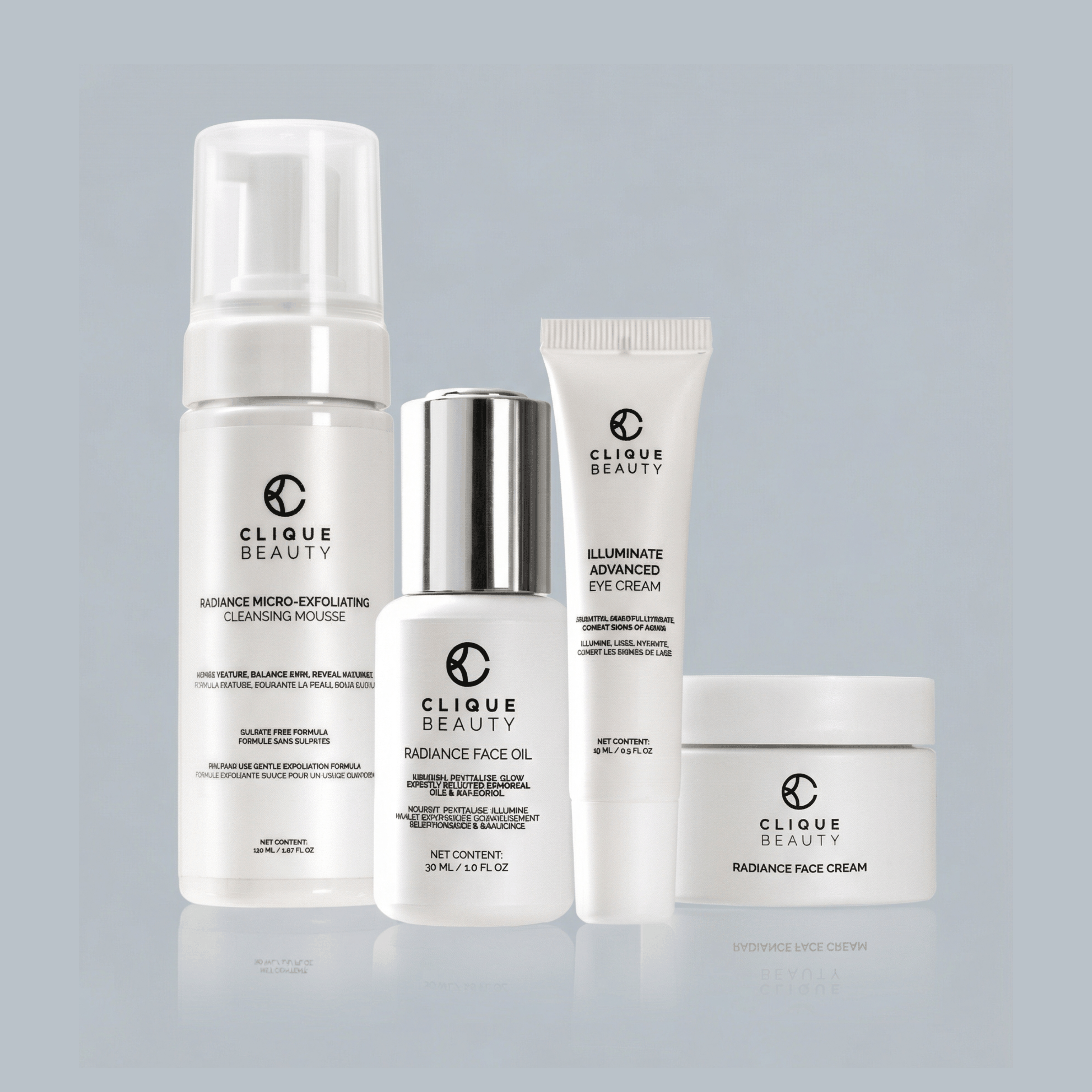
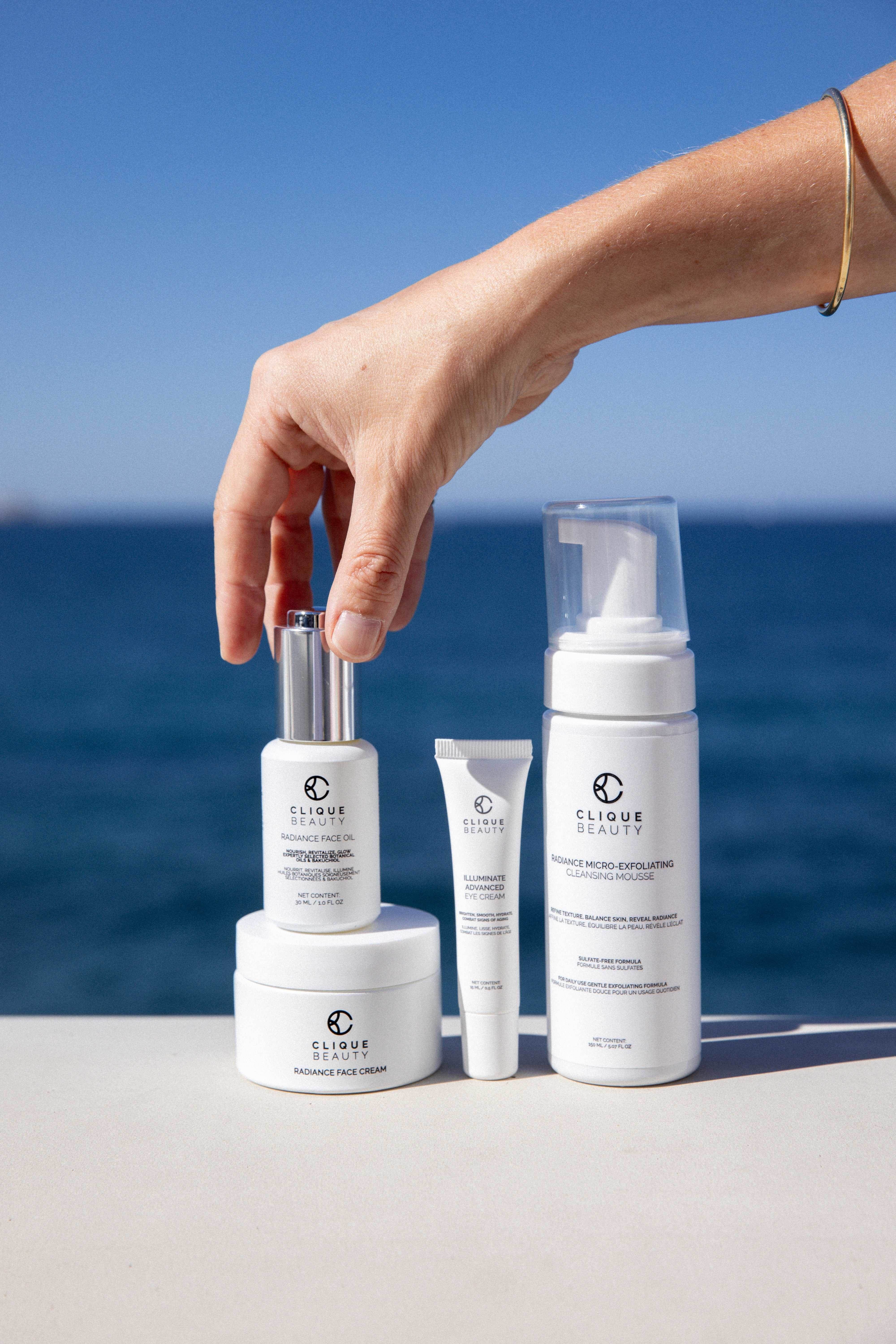
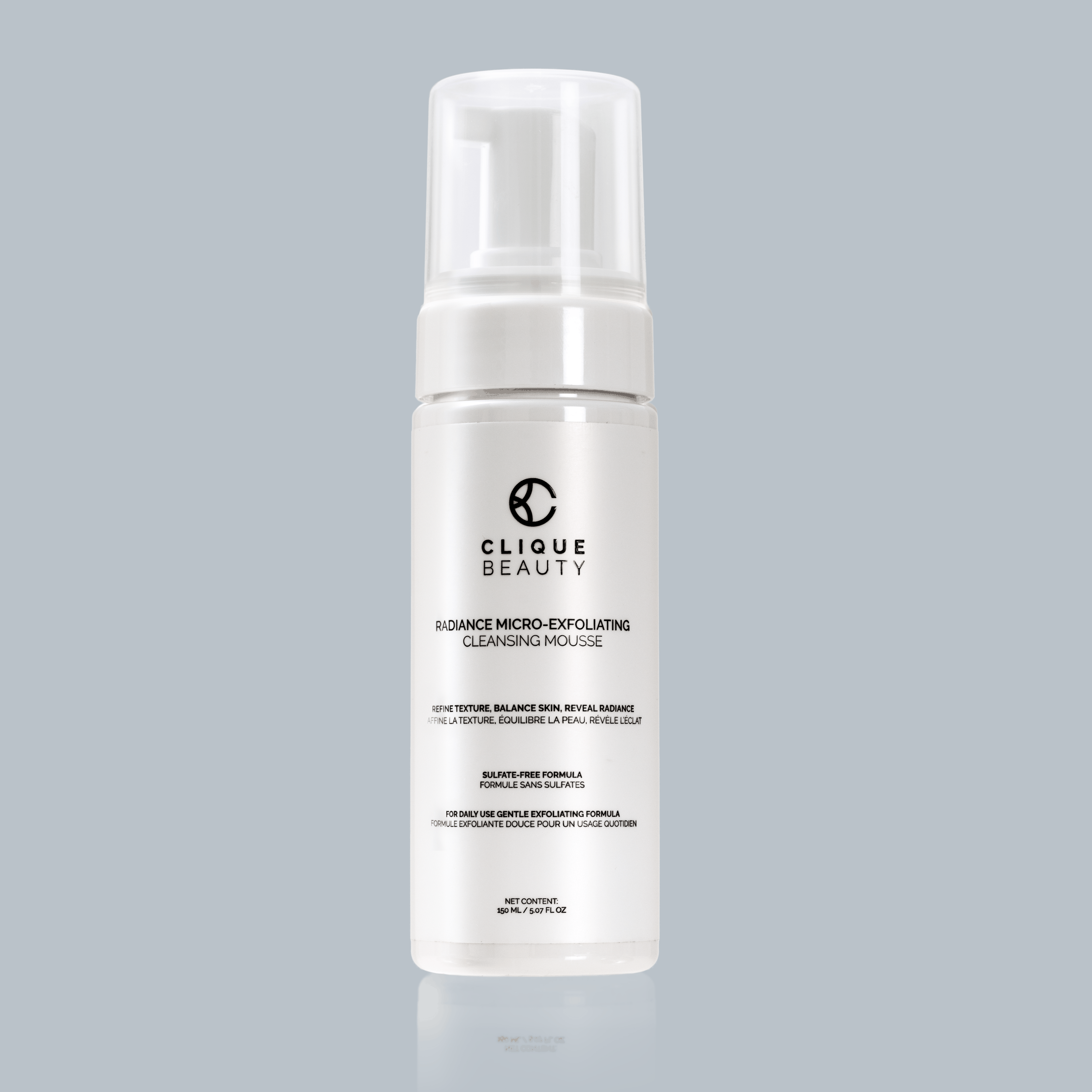
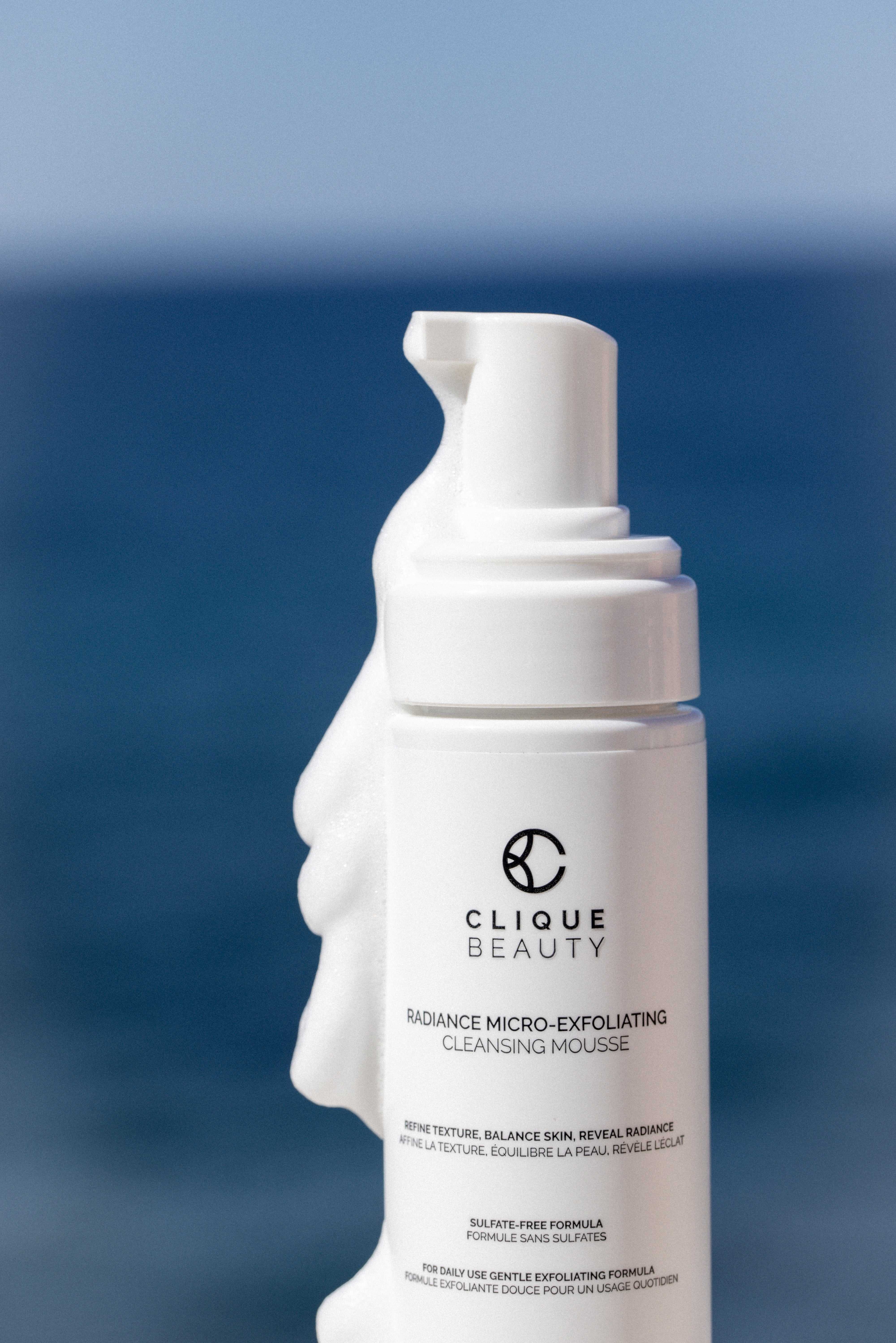
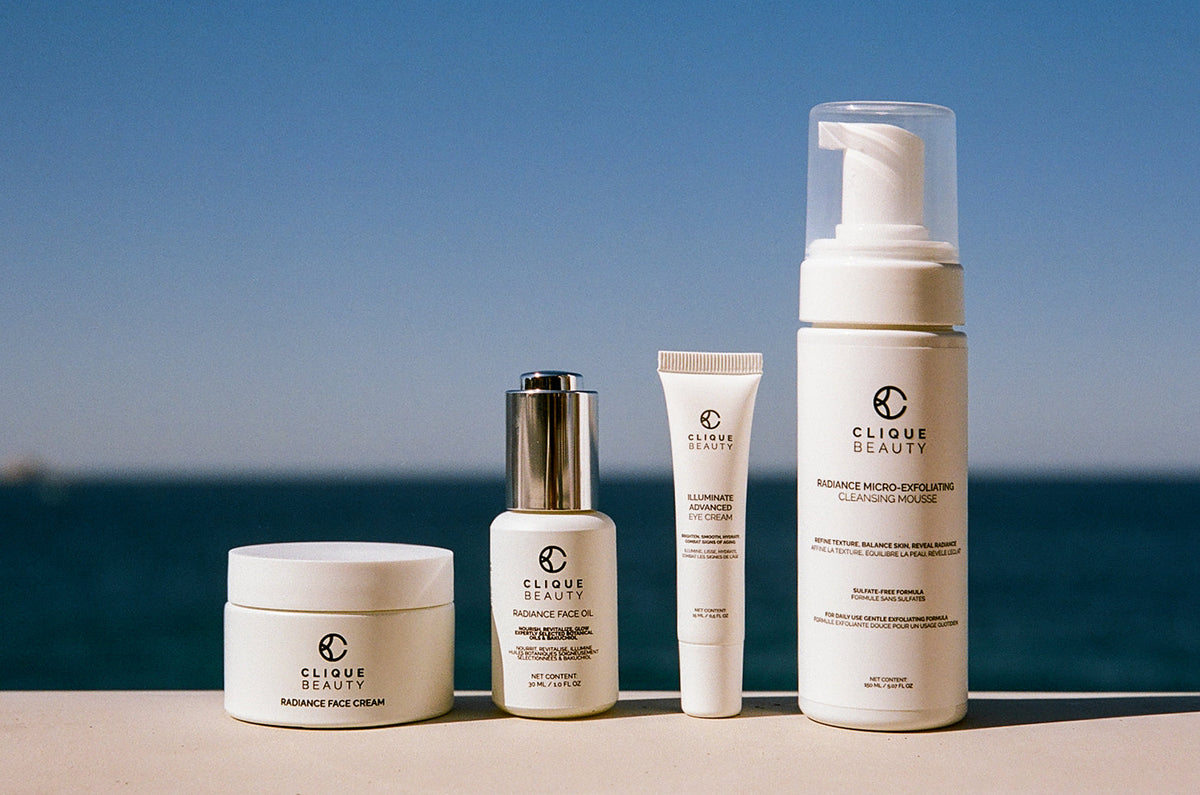
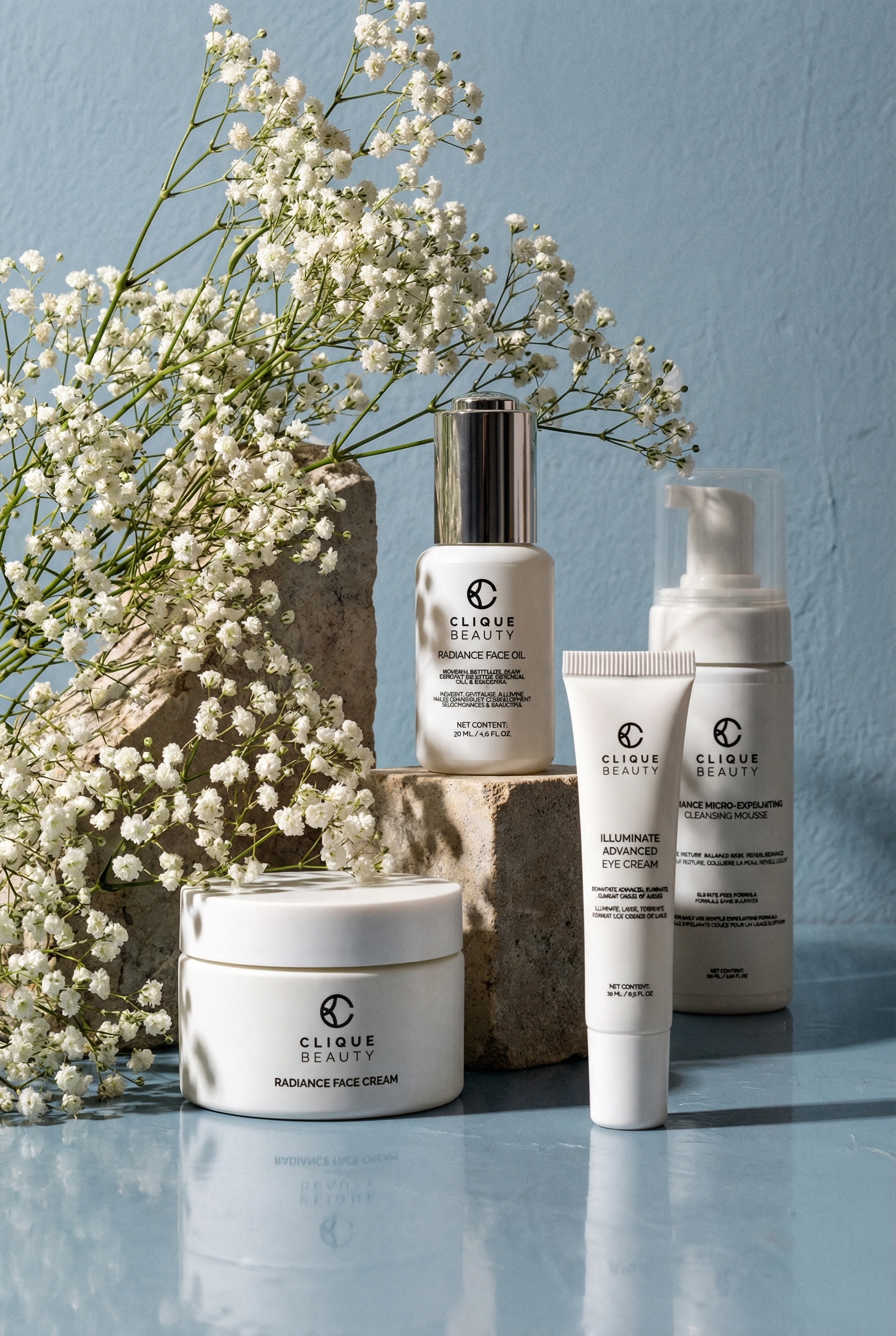
Our Radiance Micro-Exfoliating Cleansing Mousse is the step we would change first. It is sulfate-free, uses a mild triple AHA complex — glycolic, lactic and mandelic acids — with an eight-fruit enzyme complex rather than grains, and includes zinc PCA, which is directly relevant when sebum production climbs. Allantoin and calendula keep it comfortable enough for daily use.
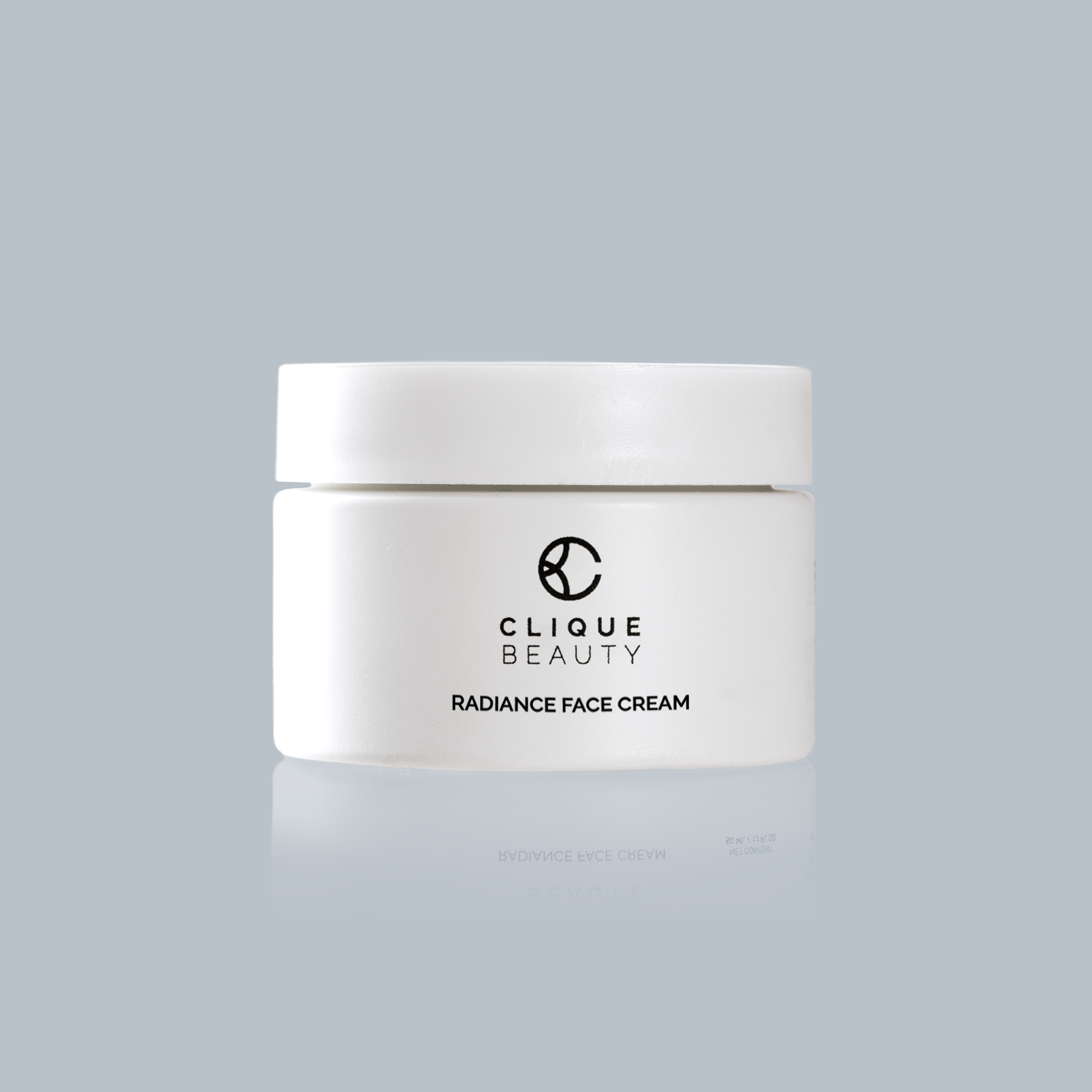
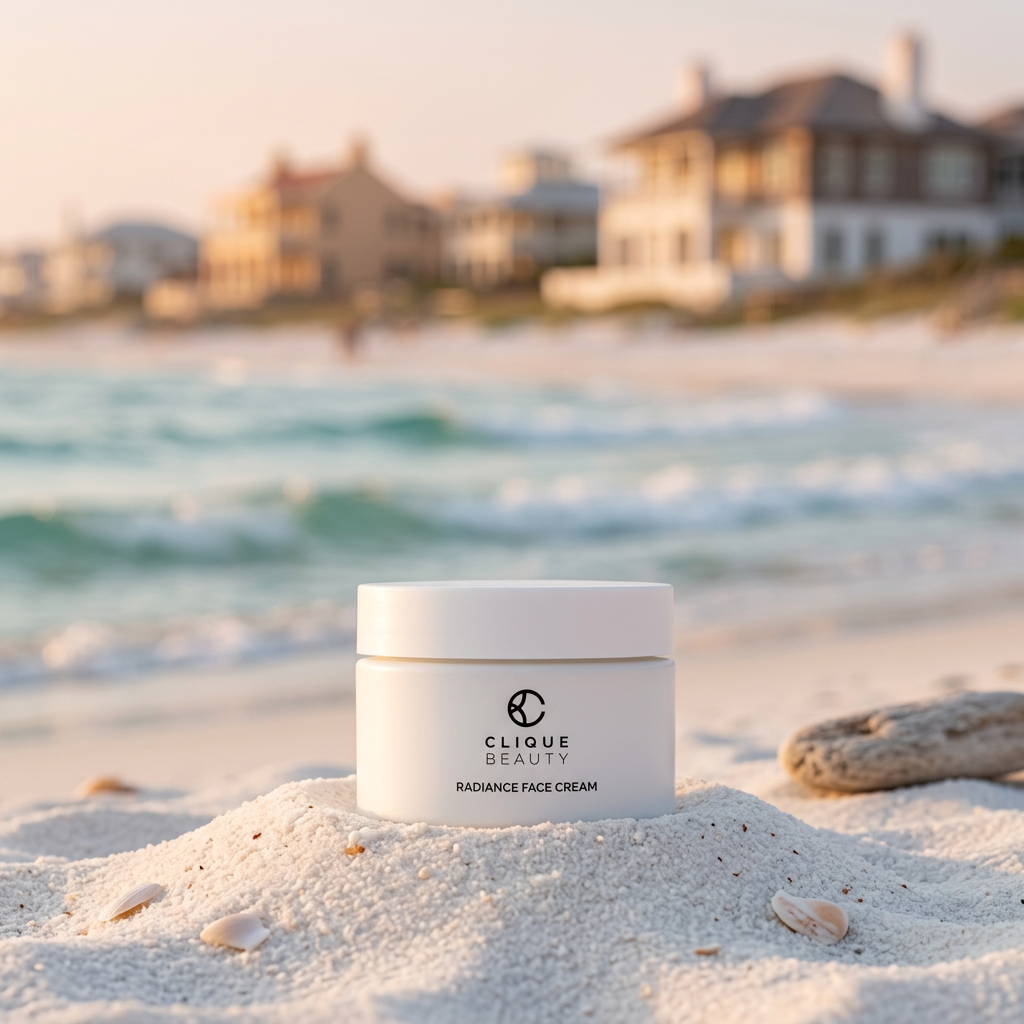
The Radiance Face Cream covers the hydration side of the summer problem. Sodium hyaluronate and niacinamide address water loss and barrier support, stabilized vitamin C (ascorbyl glucoside) adds daily antioxidant defense, and the lipid base of organic shea butter, organic jojoba and squalane gives comfort without a heavy finish. It measured a +42% increase in hydration in clinical testing.*
When the season ends, the priority changes again — that transition is covered in the September reset.
FAQ
Do I need a moisturizer in summer?
Yes. Heat increases water loss through the skin, so hydration still matters. Change the texture to something lighter rather than removing the step.
Why is my skin oily but still feels dry in summer?
Because oil and water are separate. Extra sebum sits on the surface while the upper layers lose water to heat and air conditioning. You need humectants, not more cleansing.
Should I stop using retinol or acids in summer?
Not necessarily, but lower the frequency, apply them at night, and be strict about daily SPF. Pause entirely if skin is sunburned or stinging.
*Clinically measured increase in skin hydration. Individual results vary.

Comments