

How to Strengthen Your Skin Barrier: What Breaks It, What Repairs It

In short: A damaged skin barrier is what makes skin feel dry, reactive and quick to sting — even when you moisturize. Repair is mostly subtraction: remove what is irritating it, then replace the lipids it lost with emollients and niacinamide. Comfort returns first, resilience follows.
What the skin barrier actually is
The skin barrier — technically the stratum corneum — is the outermost layer of your skin. Think of it as a wall: skin cells are the bricks, and lipids like ceramides, fatty acids and cholesterol are the mortar holding them together. That structure keeps water in and irritants, pollution and pathogens out.
When it is intact, skin holds hydration, stays calm and recovers quickly. When it is damaged, you notice: persistent dryness, sensitivity, redness, or skin that suddenly reacts to a product it tolerated before.
How to tell if yours is damaged
Barrier damage is often mistaken for dry skin, which leads people to add richer creams when the real problem is elsewhere. The distinction is worth learning.
| Sign | What it usually means |
|---|---|
| Products that used to be fine now sting | Barrier damage |
| Redness that lingers after cleansing | Barrier damage |
| Skin feels tight straight after washing | Barrier damage or harsh cleanser |
| Flaking despite daily moisturizer | Barrier damage |
| Dullness and rough texture, no discomfort | Dehydration, not damage |
| Oily on the surface but tight underneath | Dehydration — see why skin feels dry even when you moisturize |
What breaks the barrier
Most barrier damage is self-inflicted, and rarely from one dramatic mistake — it accumulates.
- Over-exfoliation — the most common cause. Scrubs, or acids used at too high a strength or too often, strip the lipid layer faster than skin rebuilds it. More on getting this right in what an AHA cleanser actually does.
- Harsh cleansers — high-pH formulas and aggressive sulfates dissolve the mortar along with the dirt.
- Denatured alcohol and essential oils — the two most reliable irritants on already-compromised skin, and the two worth checking for high on an ingredient list while skin is recovering. Fragrance usually gets named alongside them, which is a separate question — is fragrance in skincare actually bad for your skin.
- Stacking actives — retinol, acids and vitamin C used together, every night, with no recovery gap.
- Environment — low humidity, cold air, wind, indoor heating and UV all challenge barrier integrity.
- Poor sleep and stress — barrier repair happens largely overnight, so short nights slow it down.
What actually repairs it
The skin rebuilds its own barrier when given the right conditions. The process is lipid-dependent: skin synthesizes ceramides and other components to replace what was lost. Your job is to supply the raw materials and stop interfering.
- Subtract before you add. The first step is almost always removing the product causing the damage, not buying another one. If skin is reactive, fewer steps work better — the case for that is in minimal skincare.
- Emollients that match your skin. Squalane and jojoba oil are structurally close to your own sebum, so they absorb without disrupting what is left of the barrier.
- Niacinamide. Research suggests it supports the skin's own ceramide production and reduces transepidermal water loss — the defining symptom of a compromised barrier. Full detail in what niacinamide actually does.
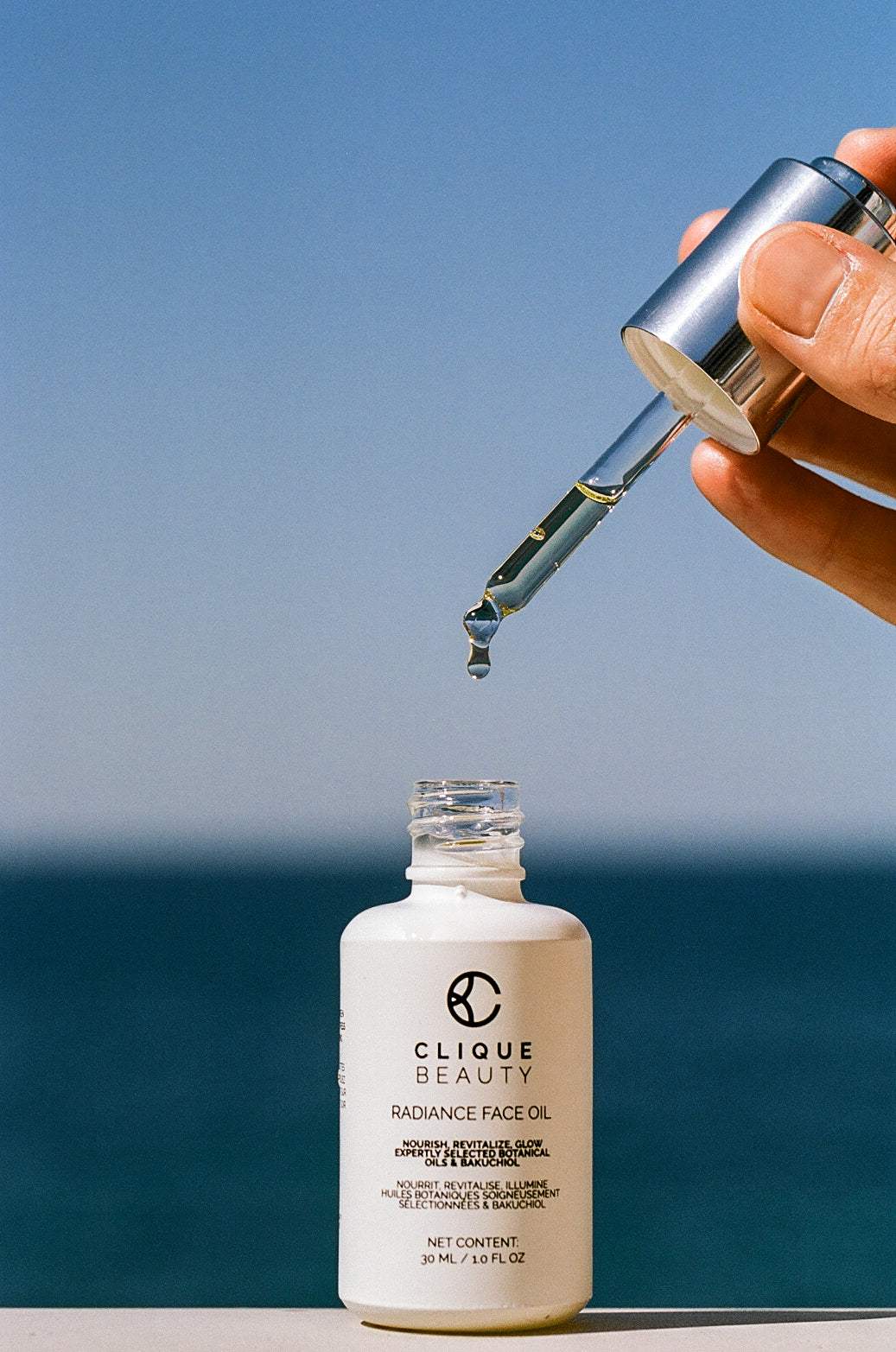
- An occlusive layer. Shea butter or a few drops of face oil slow water loss while repair happens underneath.
- Calming botanicals. Inflammation keeps the barrier from closing. Interrupting that cycle is what lets it finish.
- Pause actives entirely. Not reduce — pause.
How we approach this at Clique Beauty
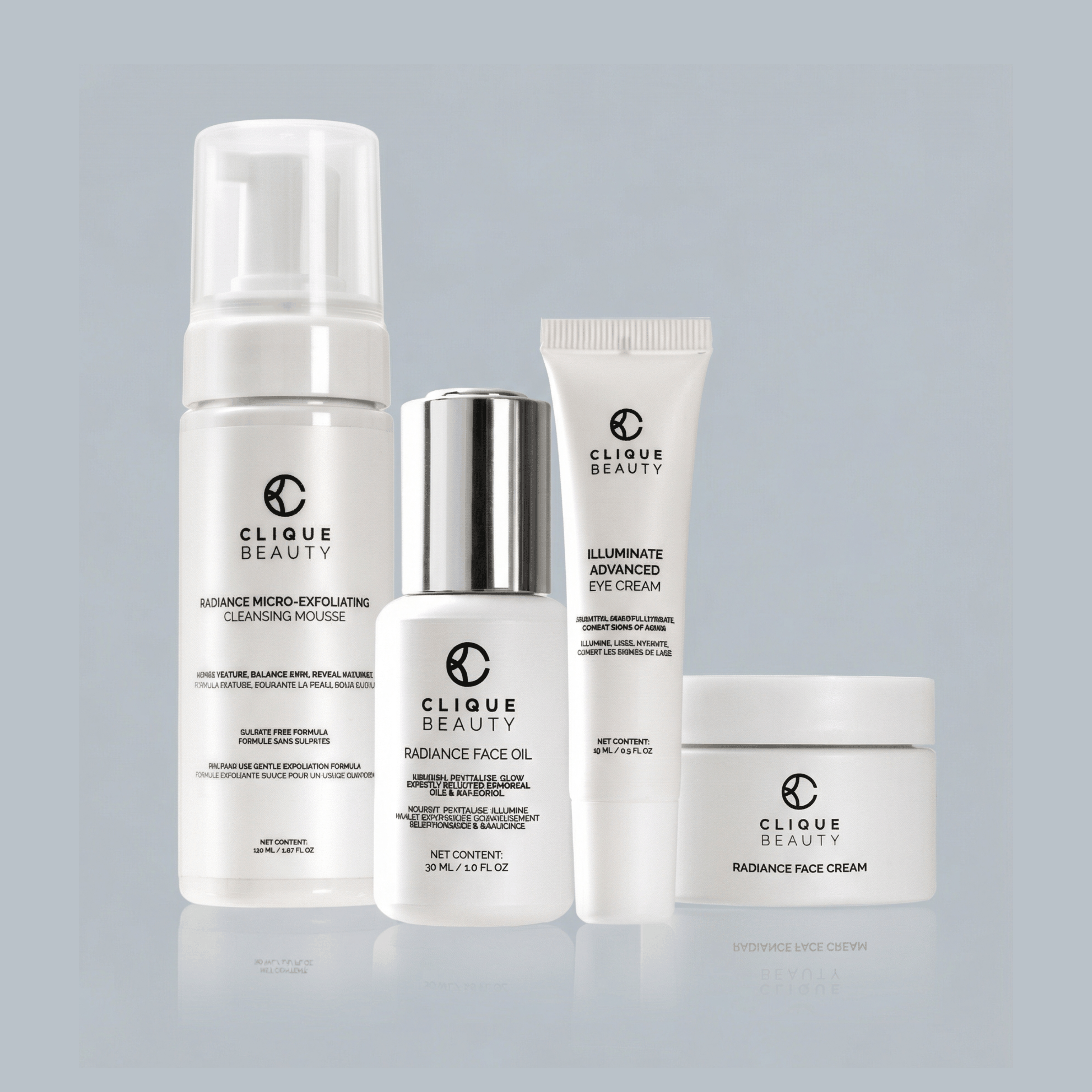
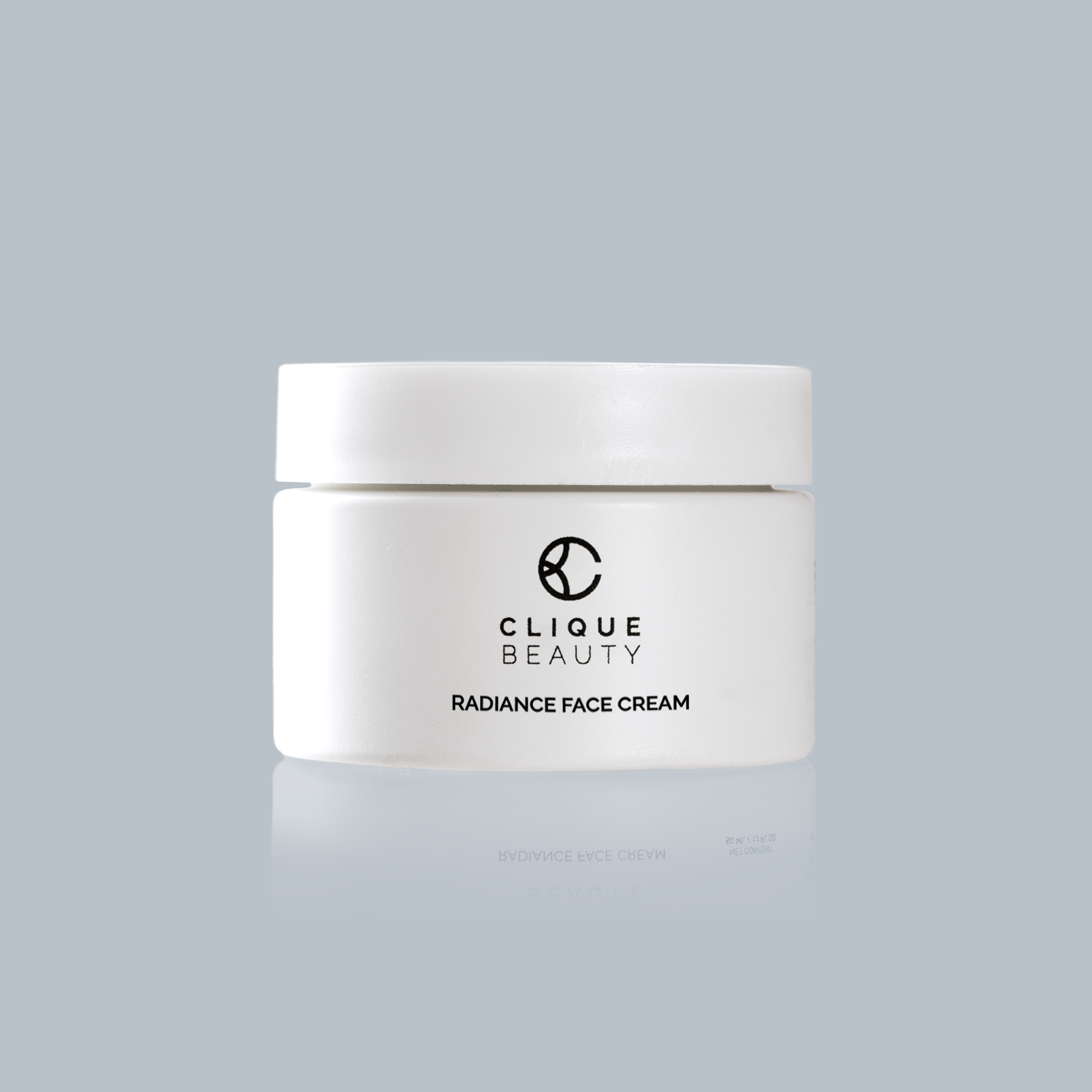
Our Radiance Face Cream was built around the lipid side of this problem. Organic shea butter, organic jojoba oil and squalane replenish what a stripped barrier has lost; niacinamide supports the skin's own repair work; sodium hyaluronate holds surface hydration without overloading the formula. Seven alpine botanicals — among them lady's mantle, mallow, lemon balm and yarrow — address the irritation side, and stabilized vitamin C (ascorbyl glucoside) adds daily antioxidant protection in a form gentle enough not to work against the repair. It measured a +42% increase in hydration in clinical testing.*
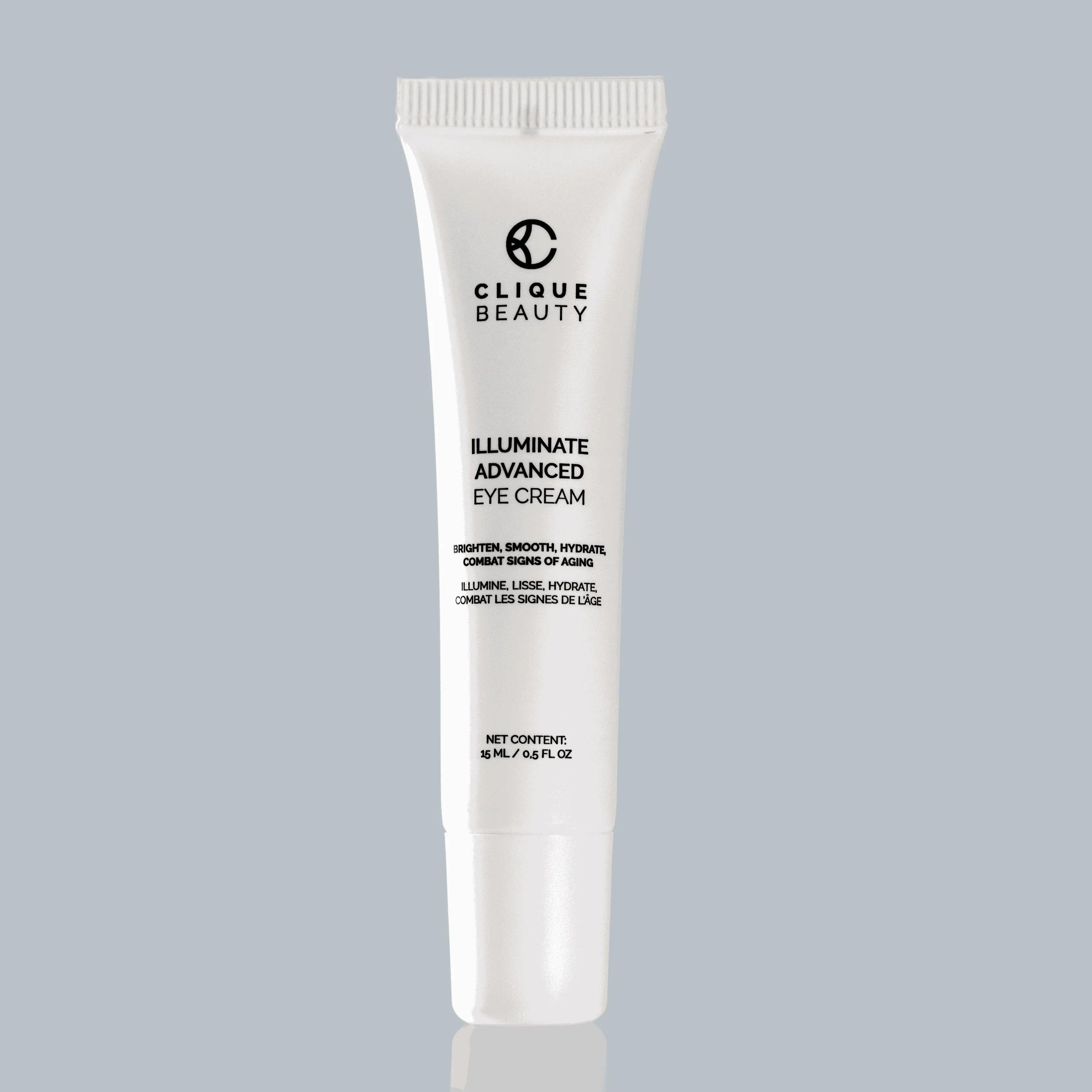
If your eye area is where the sensitivity shows first, our Illuminate Advanced Eye Cream is formulated without fragrance for exactly that reason, with niacinamide at 5%, squalane and chamomile flower water.
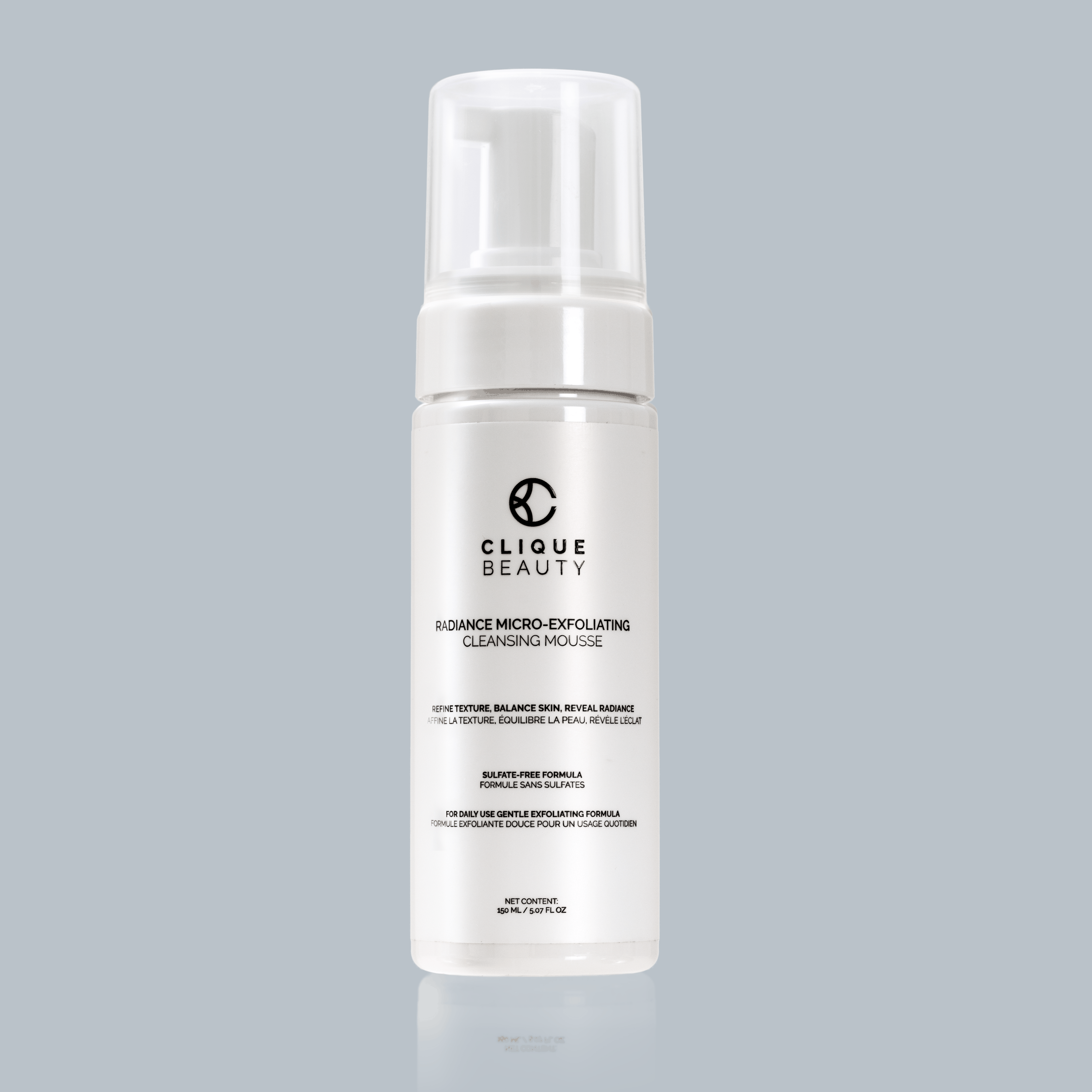
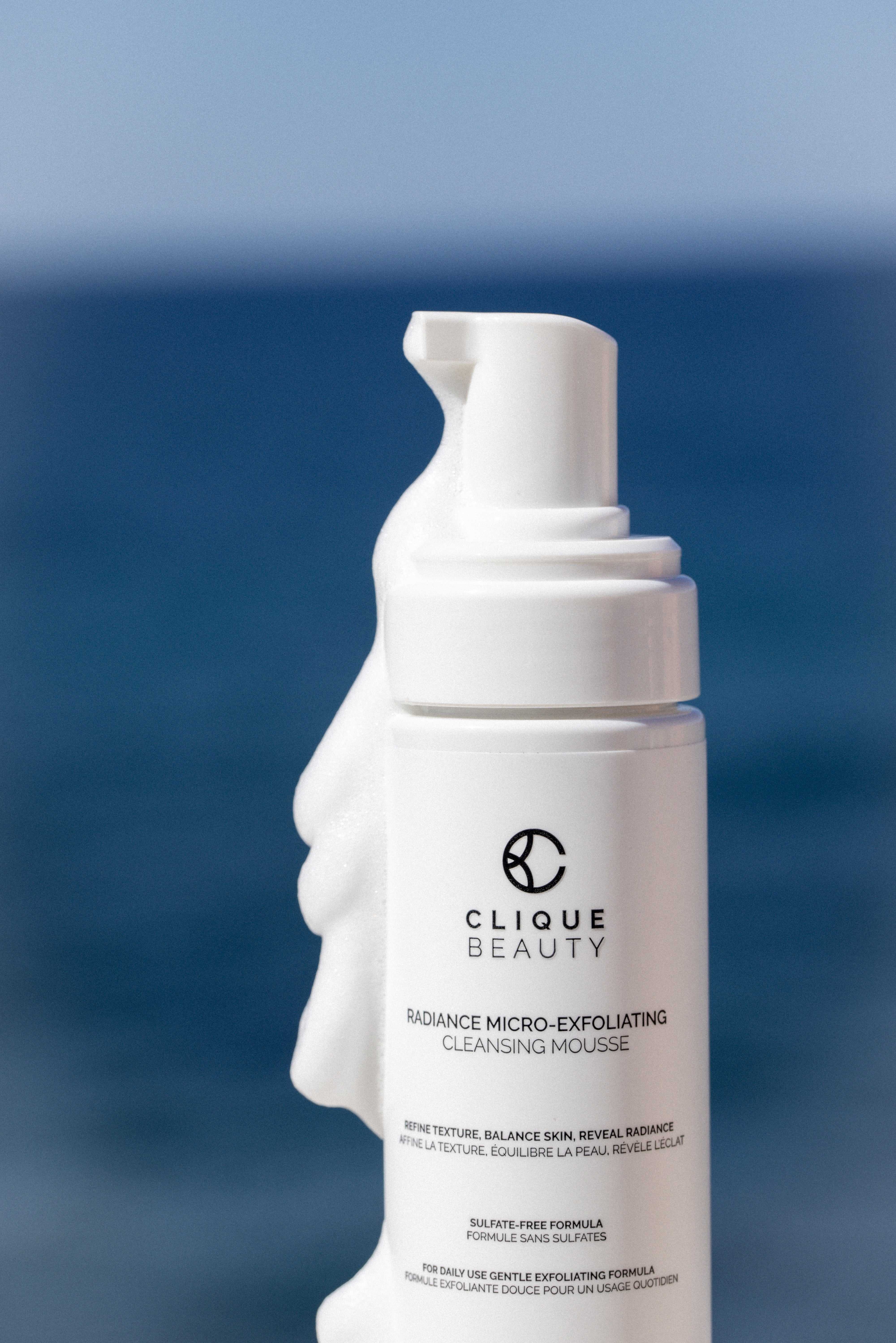
When cleansing is part of the problem, our Radiance Micro-Exfoliating Cleansing Mousse is sulfate-free and uses a low-dose triple AHA complex rather than grains, so it resurfaces without stripping.
What recovery looks like, in order
This is the part most articles leave out, and it is why people give up early. Progress is sequential, not instant.
| Stage | What you notice |
|---|---|
| First | Stinging and tightness ease. Redness still comes and goes. |
| Next | Comfort returns. Skin stops reacting to your basic routine. |
| Then | Texture and resilience improve. Actives can be reintroduced slowly, one at a time. |
The hardest instruction to follow is the most important one: resist adding products when progress feels slow. The barrier repairs best with minimal interference.
A minimal recovery routine
Morning: rinse with lukewarm water or a gentle cleanser, barrier-supporting moisturizer, SPF.
Evening: gentle cleanse, the same moisturizer, and a few drops of face oil on top if skin still feels tight. No acids, no retinol, no scrubs until skin is calm again.
FAQ
What should I do first for a damaged skin barrier?
Subtract. Remove exfoliants, retinol and anything harsh before adding a repair product. The barrier cannot rebuild while it is still being stripped.
Can I use retinol while repairing my barrier?
No. Pause retinol and all exfoliating acids until skin feels comfortable again, then reintroduce one product at a time, a few nights a week.
Is a damaged barrier the same as dry skin?
No. Dry skin lacks oil; a damaged barrier lacks structure. The giveaway is discomfort — stinging, redness and sudden reactivity point to damage, not dryness.
*Clinically measured increase in skin hydration. Individual results vary.


Comments