

Why Your Skin Feels Dry Even When You Moisturize: Dry vs Dehydrated

In short: If your skin still feels tight after moisturizer, you are probably treating the wrong problem. Dehydrated skin is short of water; dry skin is short of lipids. They need different formulas, and the fastest way out of the cycle is to identify which one you have before adding another product.
Why moisturizer alone often is not enough
You apply cream every morning, sometimes at night too, and by midday skin feels tight, rough, or simply off. That is not a sign you used too little. It is a sign that water is leaving faster than the formula can replace it.
Skin holds water in its outermost layer, the stratum corneum. When that layer is compromised — by weather, by harsh cleansing, by too many actives at once — water evaporates before skin can use it. The technical name is transepidermal water loss, and it is the single most common reason a moisturizer underdelivers. A formula that sits on the surface without supporting the layer underneath is a temporary fix at best.
Dehydrated skin or dry skin? A side-by-side
This is the distinction that decides everything else. Dehydration is a condition: it comes and goes with season, travel and sleep. Dryness is a skin type: it describes how much oil your skin produces, and it does not change week to week. You can have both at the same time, and oily skin is very often dehydrated — which is why so many people over-strip skin that was already thirsty.
| Signal | Dehydrated — short of water | Dry — short of lipids |
|---|---|---|
| How it feels | Tight, especially after cleansing; comfort returns after cream, then fades | Rough, papery, tight most of the time regardless of product |
| Oil production | Normal to high — can be visibly shiny by afternoon | Low; skin rarely gets shiny anywhere |
| What you see | Dullness, fine lines more visible, makeup clinging or separating | Flaking, scaling, sometimes patches of redness |
| Timing | Fluctuates with season, travel, poor sleep, alcohol, air conditioning | Consistent year-round; a long-standing pattern |
| What it needs | Humectants, plus something on top to seal them in | Lipids: shea butter, squalane, jojoba, a face oil |
| What makes it worse | Long hot showers, high-pH foaming cleansers, dry cabin air | Stripping cleansers, skipping the occlusive step entirely |
The habits that keep skin dry despite moisturizing
- Applying to bone-dry skin. Humectants need water to bind. On a completely dry face they can pull moisture from deeper layers instead, especially in low humidity.
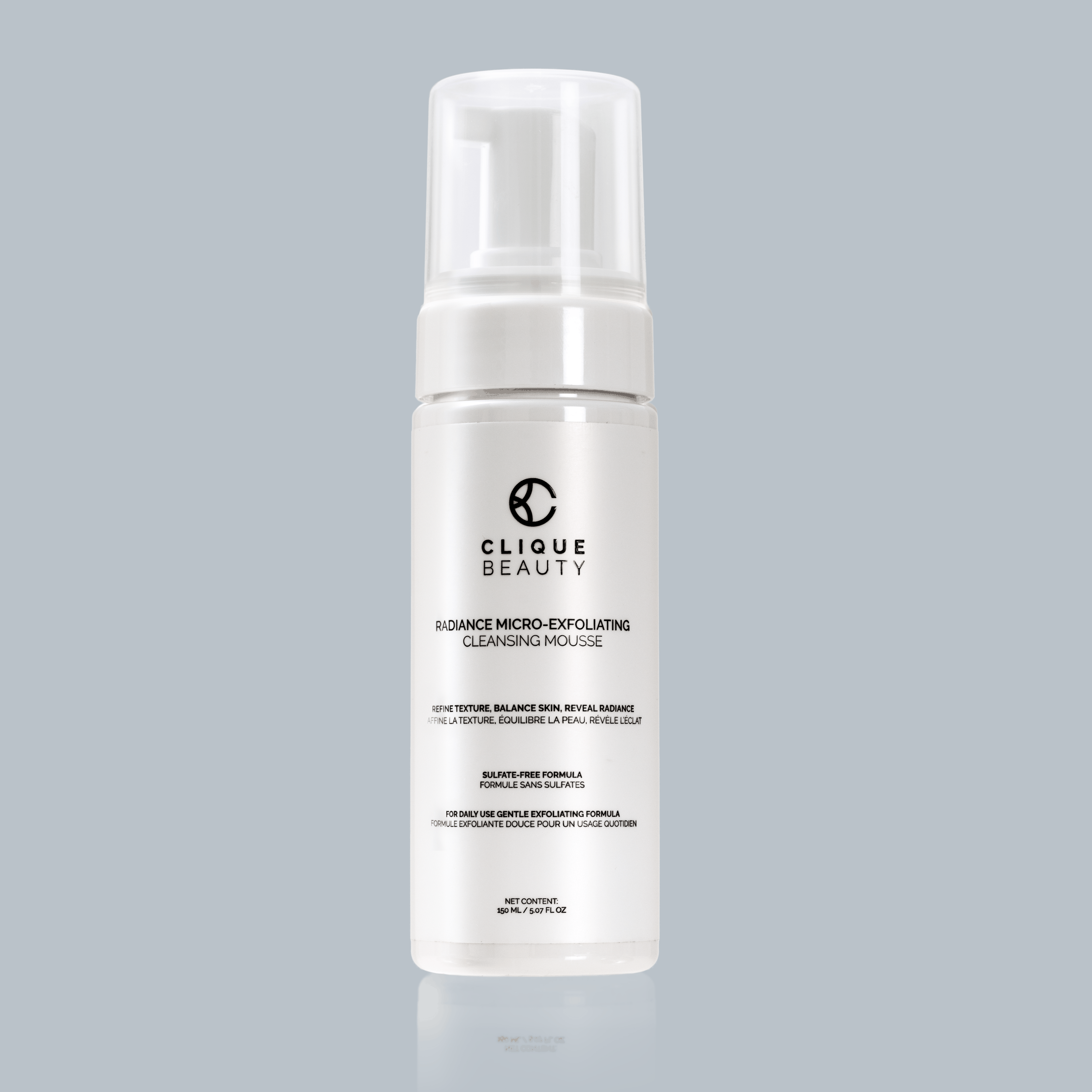
- Cleansing too hard, too often. A high-pH foaming wash removes the mortar along with the dirt. Skin that squeaks has been stripped, not cleaned.
- Using a humectant serum with nothing over it. Hyaluronic acid alone, in dry air, with no lipid layer above it, will not hold.
- Exfoliating to fix flaking. Flakes from a compromised surface are not dead skin waiting to be scrubbed off; more exfoliation extends the problem.
- Ignoring the air around you. Indoor heating, air conditioning and flights all lower ambient humidity, and skin loses water to the driest thing nearby.
What to look for in a formula that actually holds
Once you know which problem you have, the shopping rule is short. Dehydrated skin needs a humectant and an occlusive together, never a humectant alone. Dry skin needs lipids first, in meaningful quantity, and benefits from an emollient oil layered underneath the cream.
Both benefit from niacinamide, which supports the skin's own moisture retention rather than adding water directly, and both do better without denatured alcohol high in the ingredient list. If you want the full label-reading method, it is in how to choose a hydrating face cream.
How we approach this at Clique Beauty
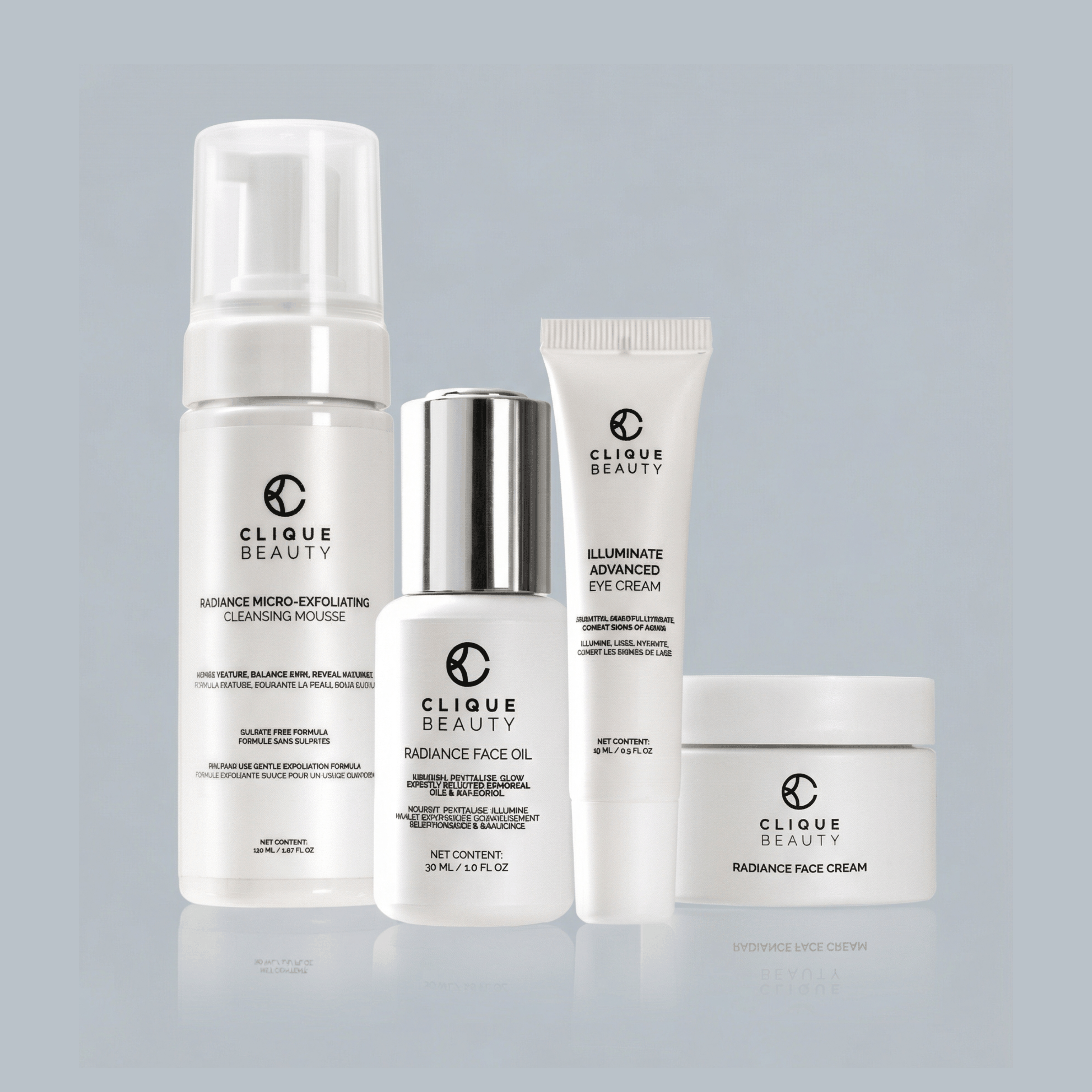
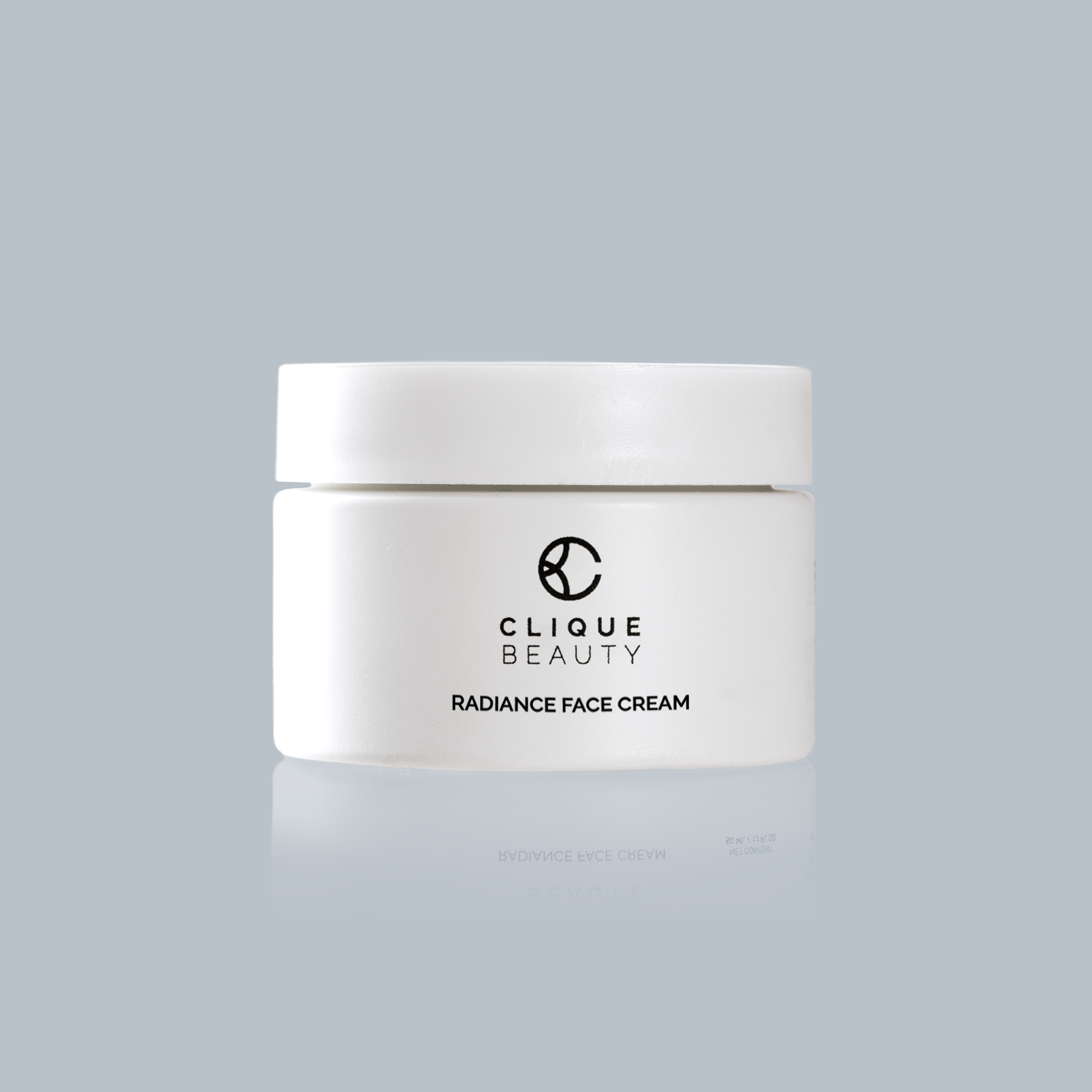
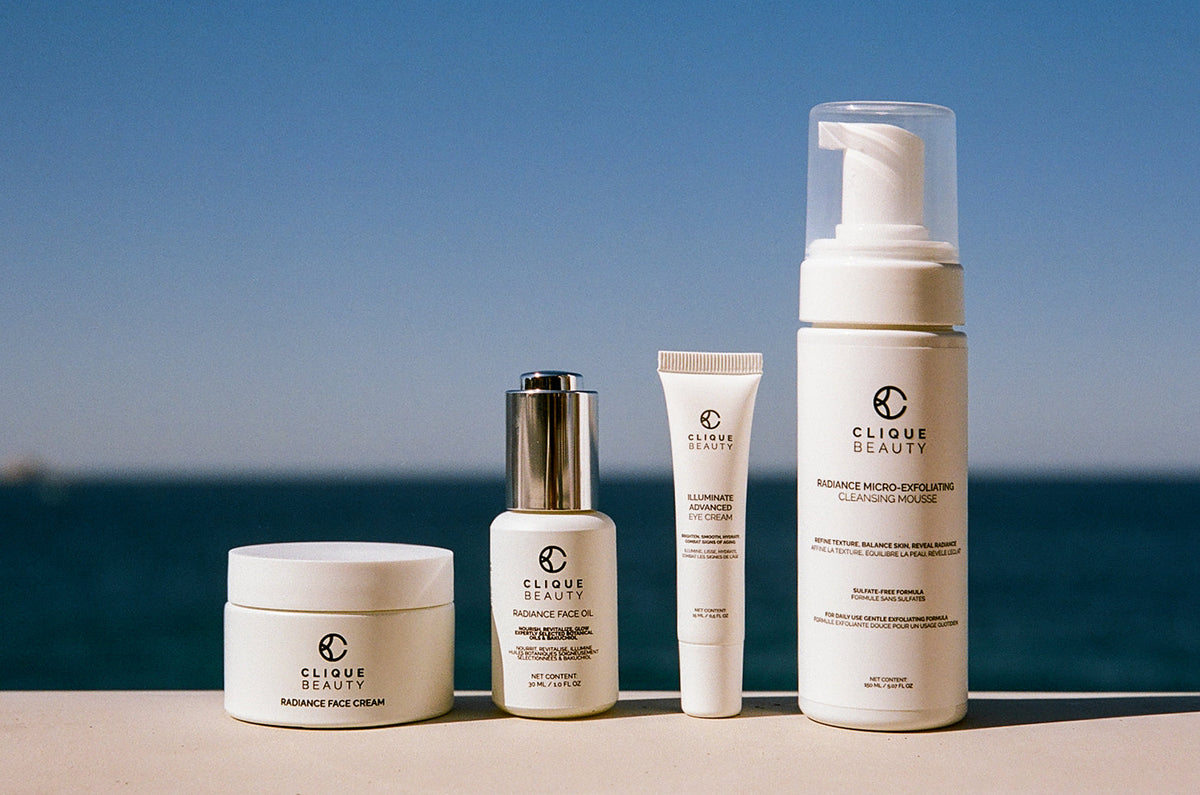
Our Radiance Face Cream was formulated for exactly this problem, with a layered approach rather than one impressive-sounding percentage. Sodium hyaluronate draws water in. Squalane and organic jojoba oil soften and smooth. Organic shea butter seals. Niacinamide works in the background on how skin holds what it already has, and ascorbyl glucoside, a stabilized vitamin C, handles daily antioxidant protection. Seven alpine botanicals — lady's mantle, mallow, lemon balm, peppermint, yarrow, speedwell and cowslip — address the reactivity side, because skin that is constantly irritated retains moisture poorly. In clinical testing the formula measured a +42% increase in hydration.*
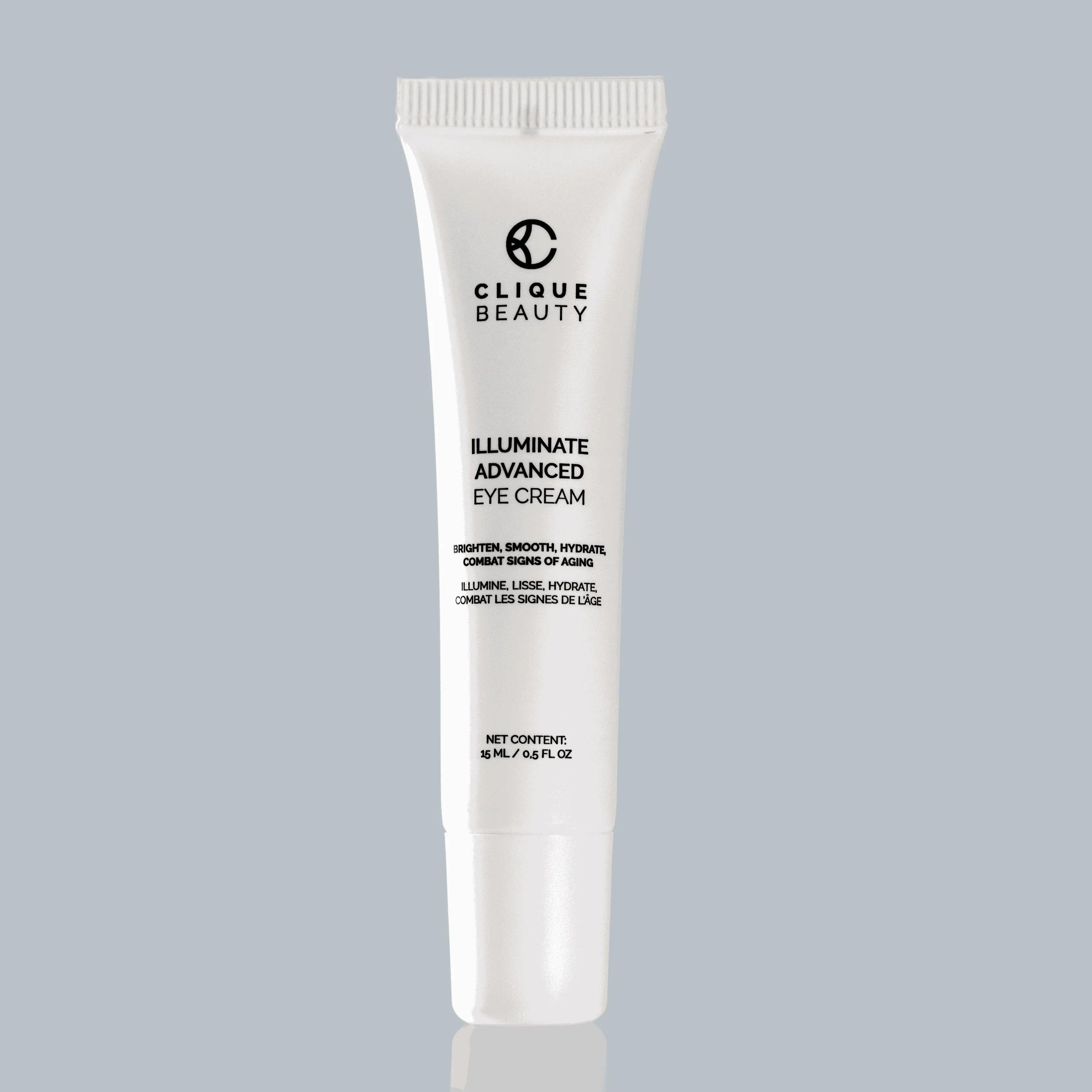
It is formulated and perfumed in France, and that matters more than it sounds for this particular problem. Dehydration is corrected by a cream applied every day without exception, and the texture and the scent of a formula are what turn a daily step into something you look forward to rather than something you owe. Our Illuminate Advanced Eye Cream is the one we formulate without fragrance — the eye contour reacts before the rest of the face does, so we dispense it from that — with niacinamide at 5%, caffeine at 1%, squalane and chamomile flower water. A good place to start if the eye area is where tightness shows up first.
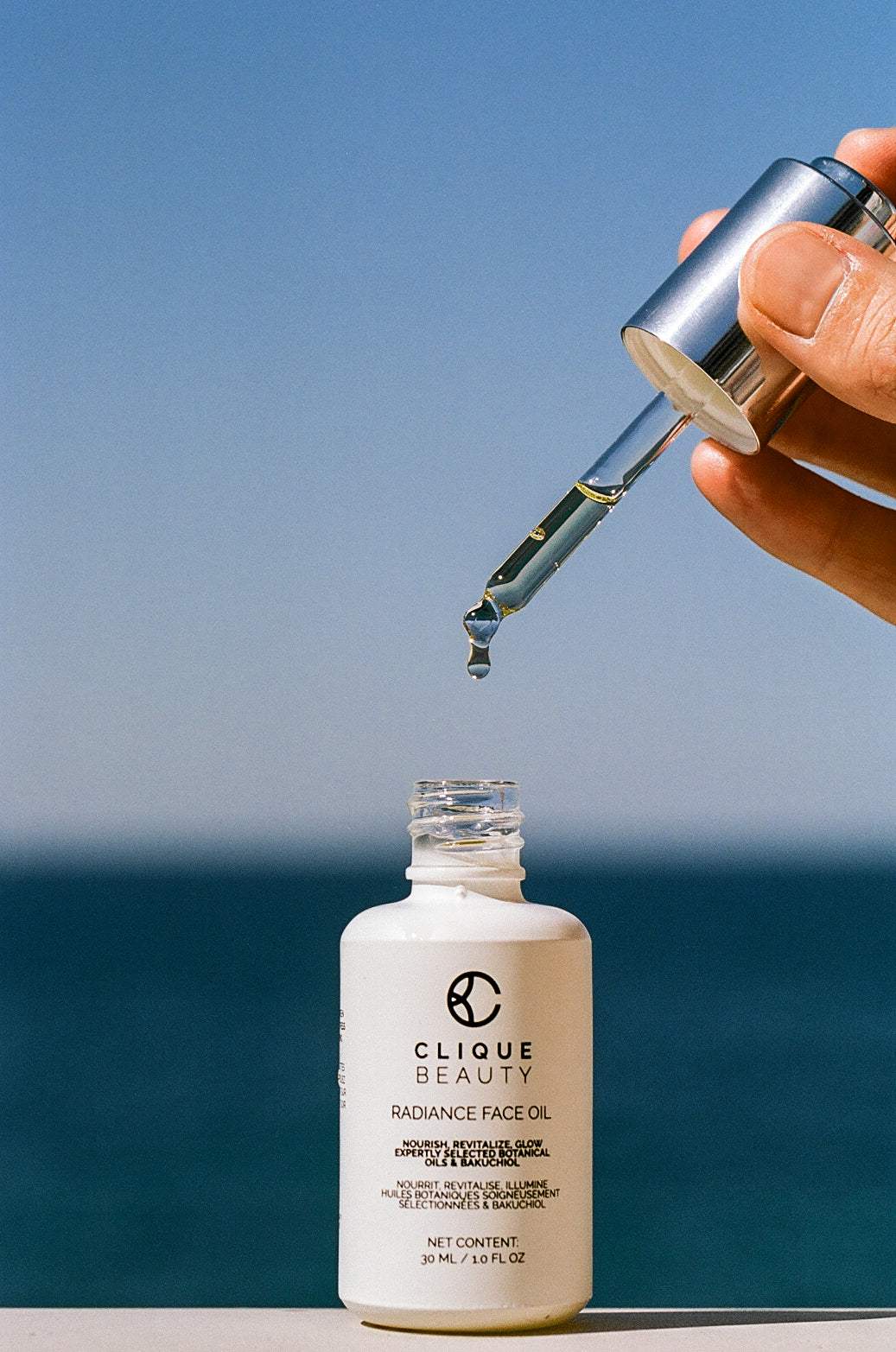
Where dryness is lipid-driven rather than water-driven, the more efficient answer is often an oil step rather than a richer cream. That case is made in why a face oil can be the most efficient step in your routine.
How to apply moisturizer so it holds
Even a well-built formula works better on slightly damp skin. After cleansing, pat rather than rub, and apply while a thin film of water is still on the surface. That gives the humectants something to bind to, and it is the single cheapest improvement available to anyone reading this.
If you use a face oil as well, the order is not interchangeable — oil goes first, then cream. And resist the instinct to add a fourth product when progress feels slow. Persistent dryness is almost never solved by more steps; it is solved by the right two, used consistently.
FAQ
How do I know if my skin is dehydrated or dry?
Look at oil production. Dehydrated skin can still be shiny by afternoon and fluctuates with season and sleep. Dry skin rarely gets shiny and behaves the same way year-round.
Why does my skin feel tight right after I moisturize?
Usually the cleanser, not the cream. A high-pH or sulfate-heavy wash strips lipids, so the moisturizer is replacing a loss that happened seconds earlier. Change the cleanser first.
Can I fix dehydrated skin by drinking more water?
Not on its own. Hydration reaches skin last, and it does nothing to slow water loss from the surface. The fix is topical: a humectant with an occlusive over it, plus gentler cleansing.
*Clinically measured increase in skin hydration. Individual results vary.

Comments