

Minimal Skincare: Why Fewer Steps Can Mean Better Results
In short: A shorter routine is not a smaller commitment to your skin. Results come from the right actives, used consistently, on a barrier that tolerates them — not from the number of bottles on the shelf. Fewer steps usually means better adherence, fewer conflicts and clearer information about what is working.
Why fewer steps does not mean fewer results
The assumption behind a ten-step routine is that results scale with effort. They do not. What changes skin is a purposeful active, at a sensible dose, applied consistently, on a barrier healthy enough to tolerate it. A short routine can deliver all four. A long one frequently delivers none of them, because the actives compete, the barrier is under constant negotiation, and the routine itself becomes too demanding to keep up on a difficult week.
This is worth being precise about, because minimal skincare gets misread as skincare that does less. Removing steps is not the same as removing actives. The point is to keep the ingredients that earn their place and let go of the ones that are there out of habit.
What too many products actually costs you
Overloaded routines fail in specific, predictable ways rather than dramatic ones.
- Barrier fatigue. Several actives, every day, with no recovery gap leaves skin reactive — and reactive skin tolerates less of everything, including the products that were working.
- No usable feedback. When eight products go on your face, a reaction has eight suspects. You cannot fix what you cannot attribute.
- Dilution of the good step. A well-formulated active layered under three other textures does not necessarily reach skin in the state it was formulated for.
- Inconsistency. The most common reason a routine fails is that it stops being done. A routine you complete on a bad night beats one you abandon.
- Cost without return. Duplicated functions — three humectant layers, two mild exfoliants — add spend and steps without adding benefit.
Which steps actually earn their place
A useful way to shorten a routine is to ask what each step does that nothing else in the routine does. This is the version worth keeping.
| Step | Does it earn its place? |
|---|---|
| Cleanser | Yes. Nothing else removes sunscreen, sebum and the day. Choose one that does not strip. |
| Moisturizer with a real active | Yes. This is where a short routine does most of its work — hydration and treatment in one step. |
| Daily SPF | Yes, non-negotiable in the morning. No other step protects the results of the others. |
| Eye cream | Often. The eye area needs lower, better-tolerated concentrations than the face. |
| Face oil | Conditional. Valuable when skin needs lipids or comfort at night; unnecessary otherwise. |
| Toner, essence, second serum | Usually not. Check whether they duplicate a function your moisturizer already covers. |
Order still matters once you have chosen your steps — thinnest to richest, actives before occlusives. The full sequence is set out in skincare routine order, morning and night.
How to shorten a routine without losing what worked
Do not clear the shelf in one evening. You lose the information along with the products.
Remove one step at a time, starting with anything whose function you cannot name. Keep the change in place long enough to see whether skin misses it. If nothing changes, that step was not doing the work you credited it with. If skin becomes tight or reactive, put it back — now you know what it was for.
Two steps are worth protecting from this process: your daily sun protection, and whichever single active you can point to as having changed something. Everything else is negotiable.
Is a minimal routine right for your skin?
A short routine suits most people, and suits some especially well: reactive or easily irritated skin, anyone recovering from over-exfoliation, and anyone whose current routine is elaborate enough that it gets skipped. It is also the sensible starting point when you have no idea which of your products is causing a problem.
It is not an argument against actives. Vitamin C, niacinamide, acids and bakuchiol all belong in a short routine — they just belong in fewer, better-chosen places. Effective skincare does not have to be aggressive, and it does not have to be long either.
How we approach this at Clique Beauty
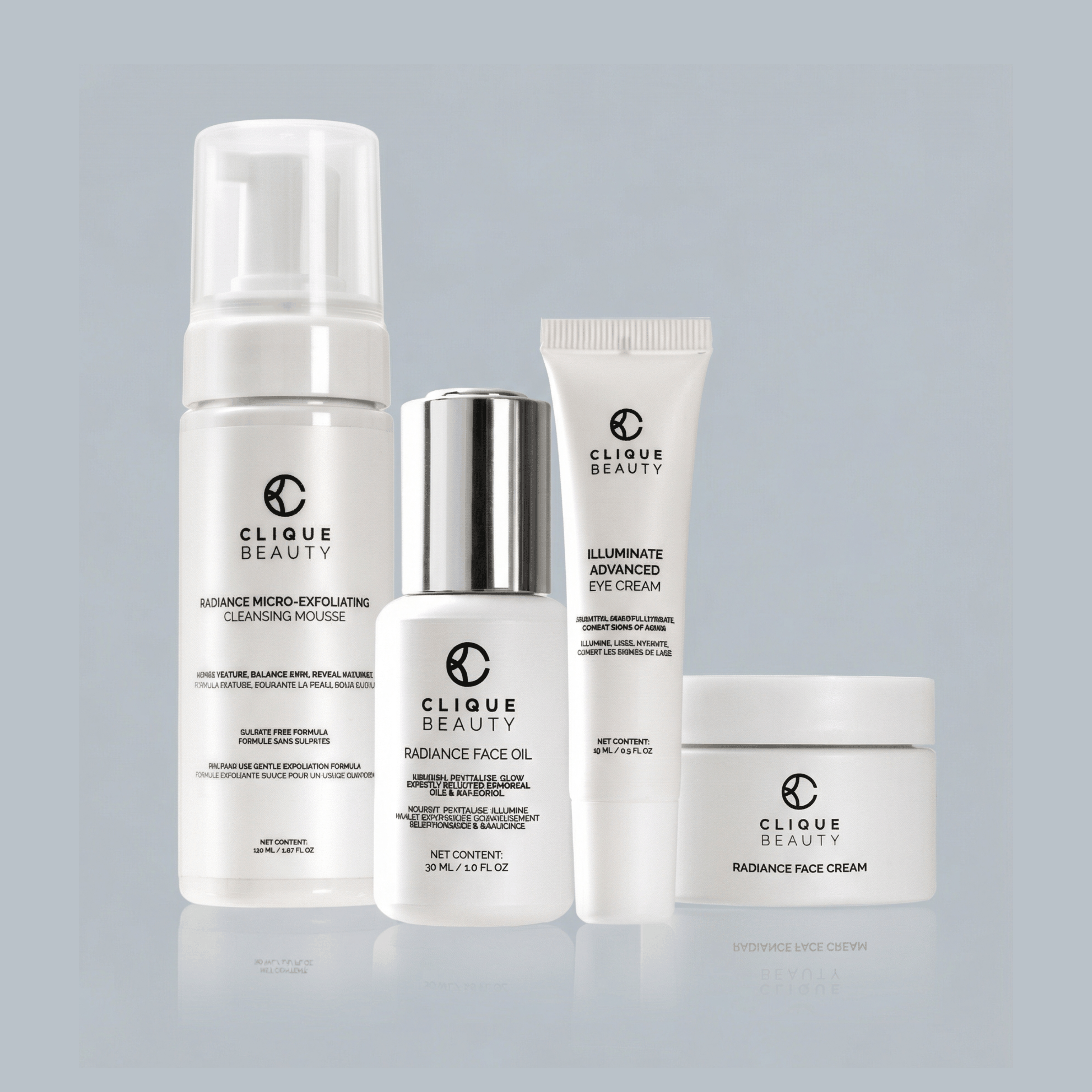
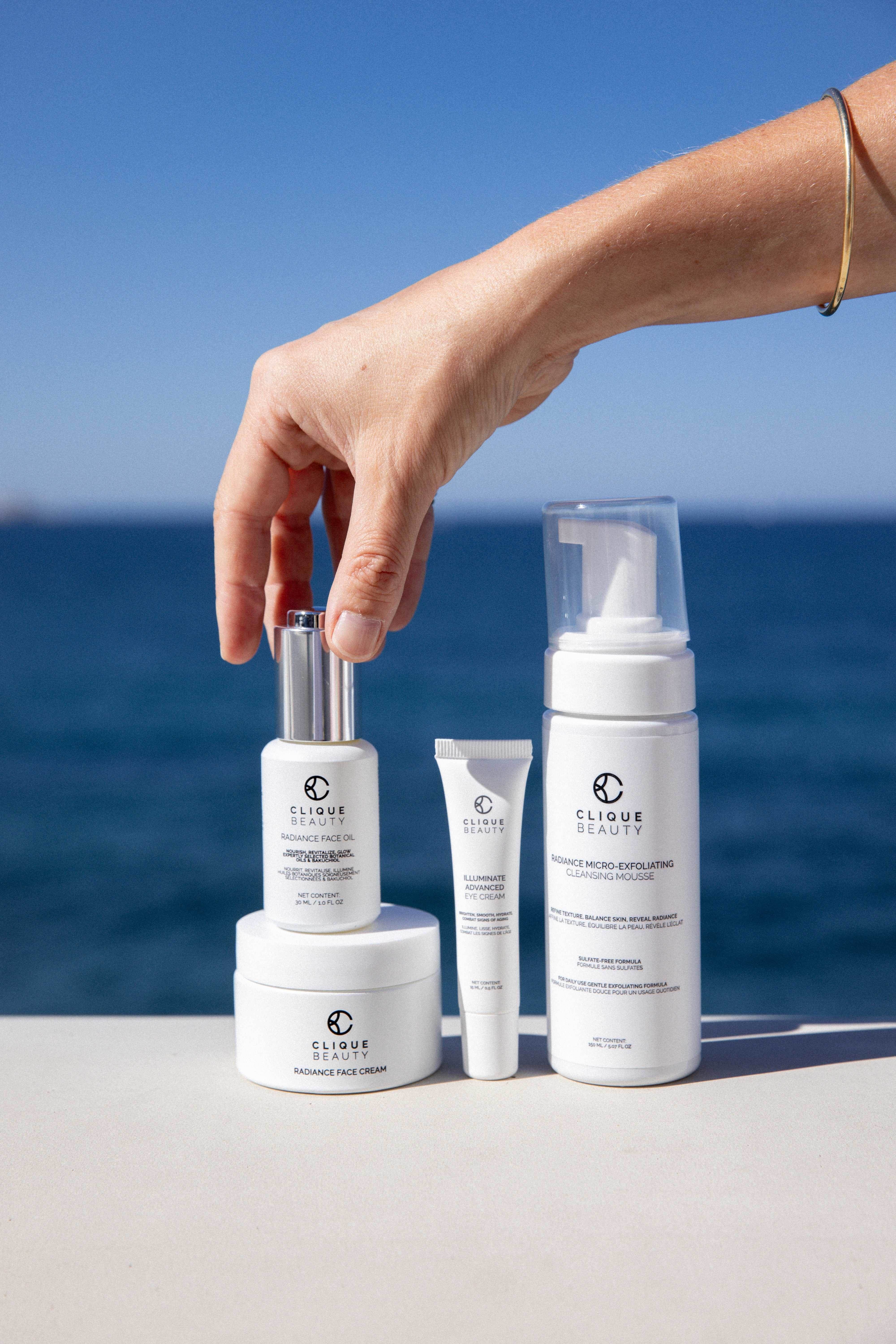
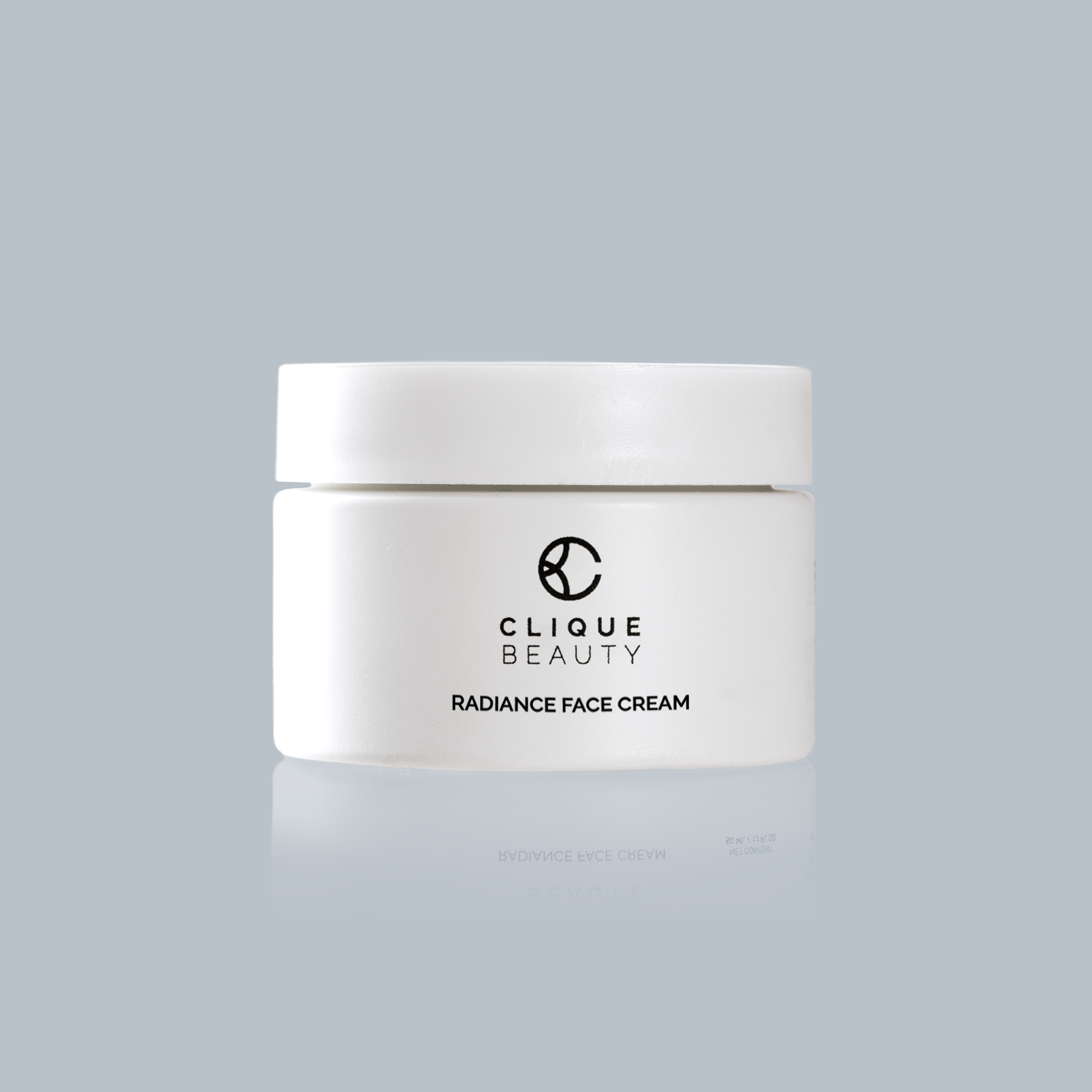
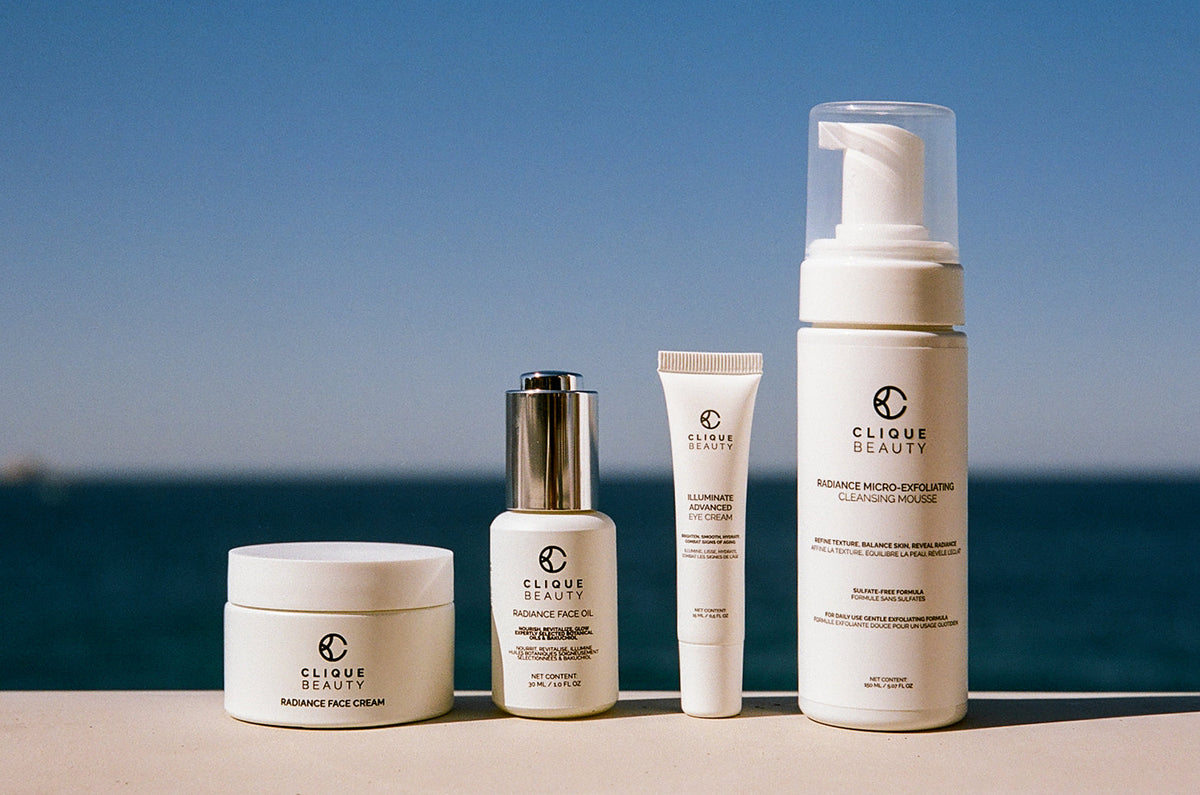
We formulate for routines with fewer steps, which means each formula has to carry more than one function. Our Radiance Face Cream is the clearest example: niacinamide for barrier support and tone, stabilized vitamin C (ascorbyl glucoside) for daily antioxidant defense, sodium hyaluronate for surface hydration, and a lipid base of organic shea butter, organic jojoba and squalane, with seven alpine botanicals for comfort. Hydration and treatment happen in the same step, which is what makes the step removable elsewhere.
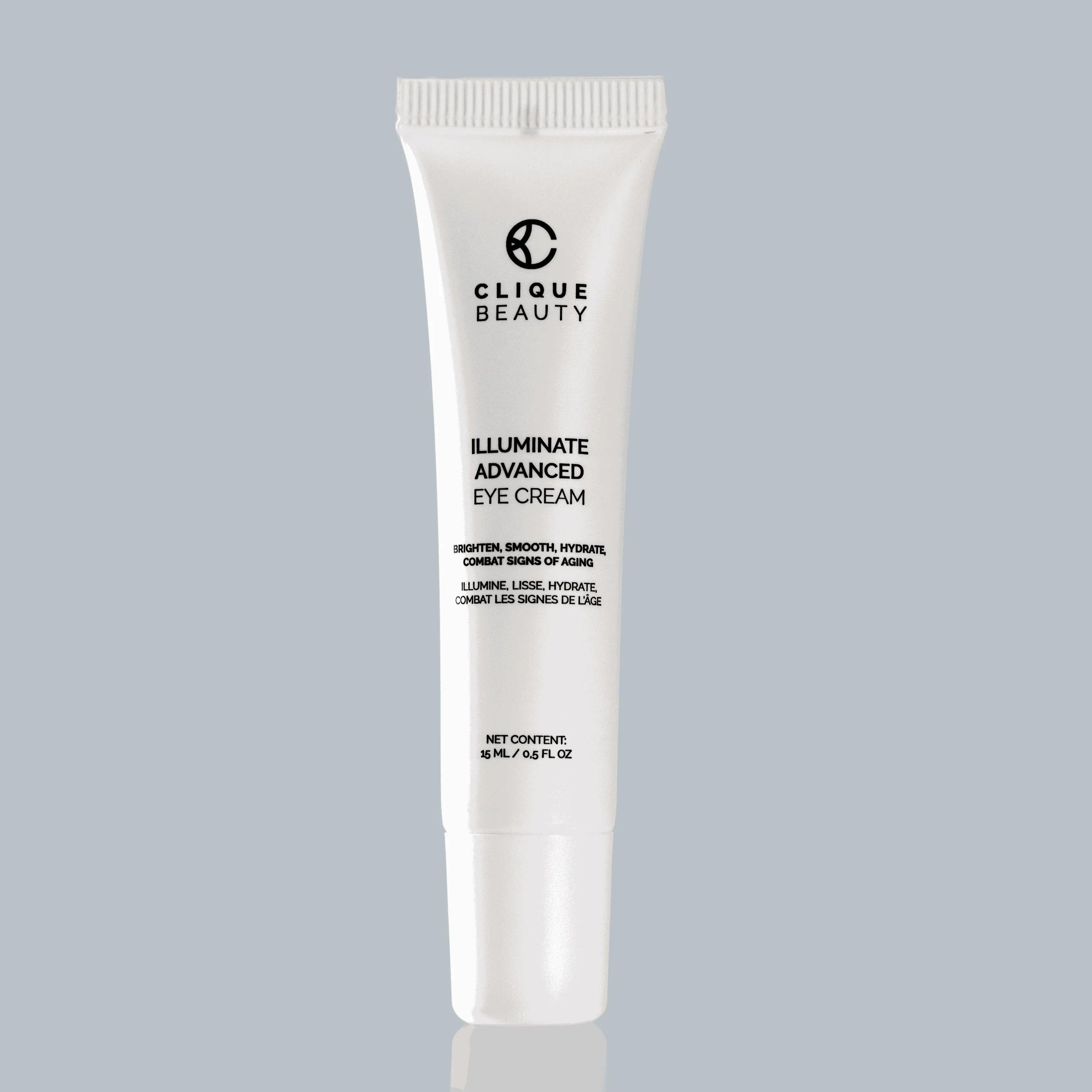
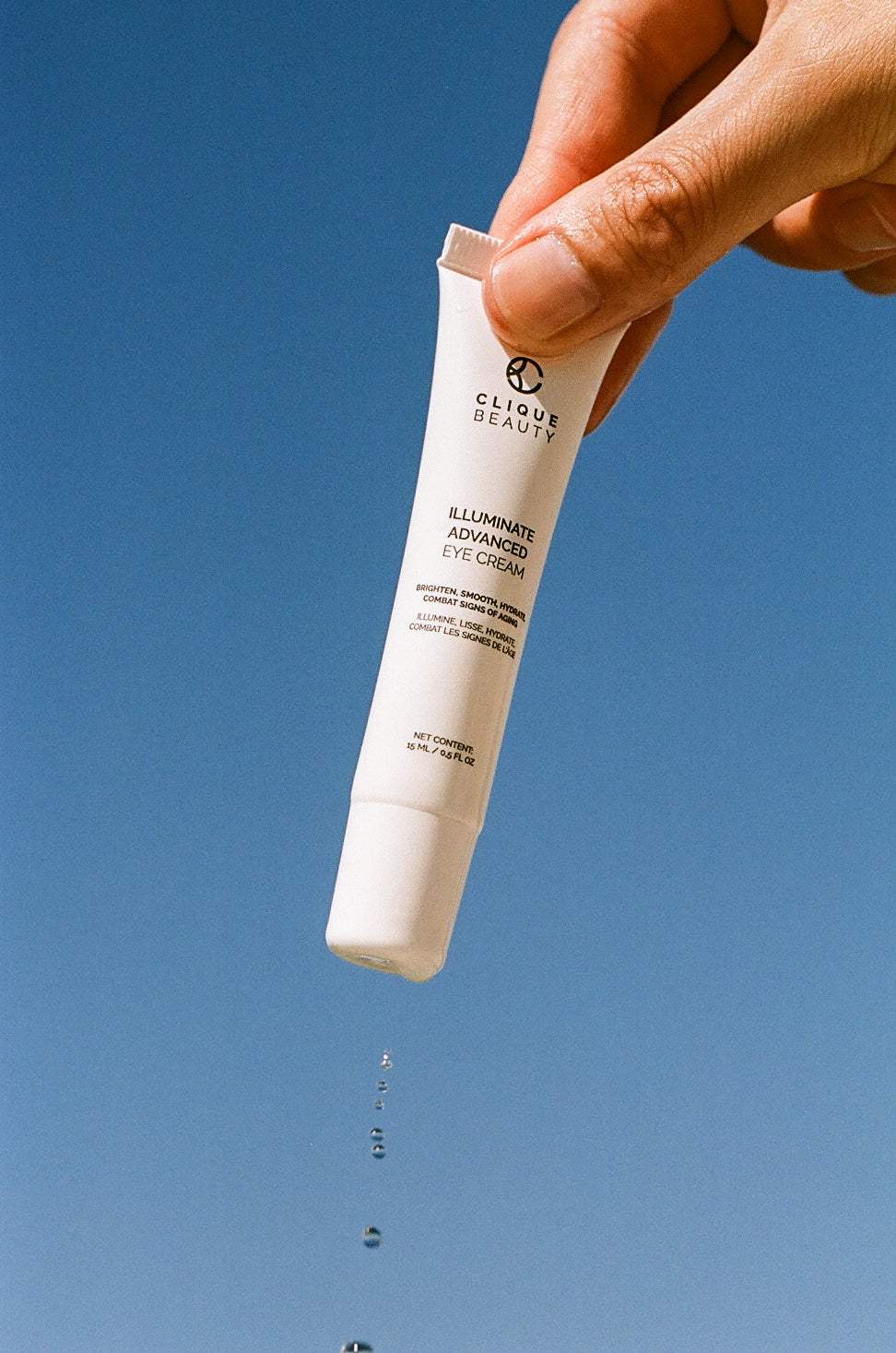
The eye area is the one place we would argue against consolidating. It is thinner, moves constantly and tolerates different concentrations, which is why Illuminate Advanced Eye Cream exists as its own formula — caffeine at 1%, niacinamide at 5%, squalane and chamomile flower water, and no fragrance, because the eye contour is the zone that reacts first. Whether it is genuinely necessary for you is a fair question, and we answer it honestly in is eye cream really necessary.
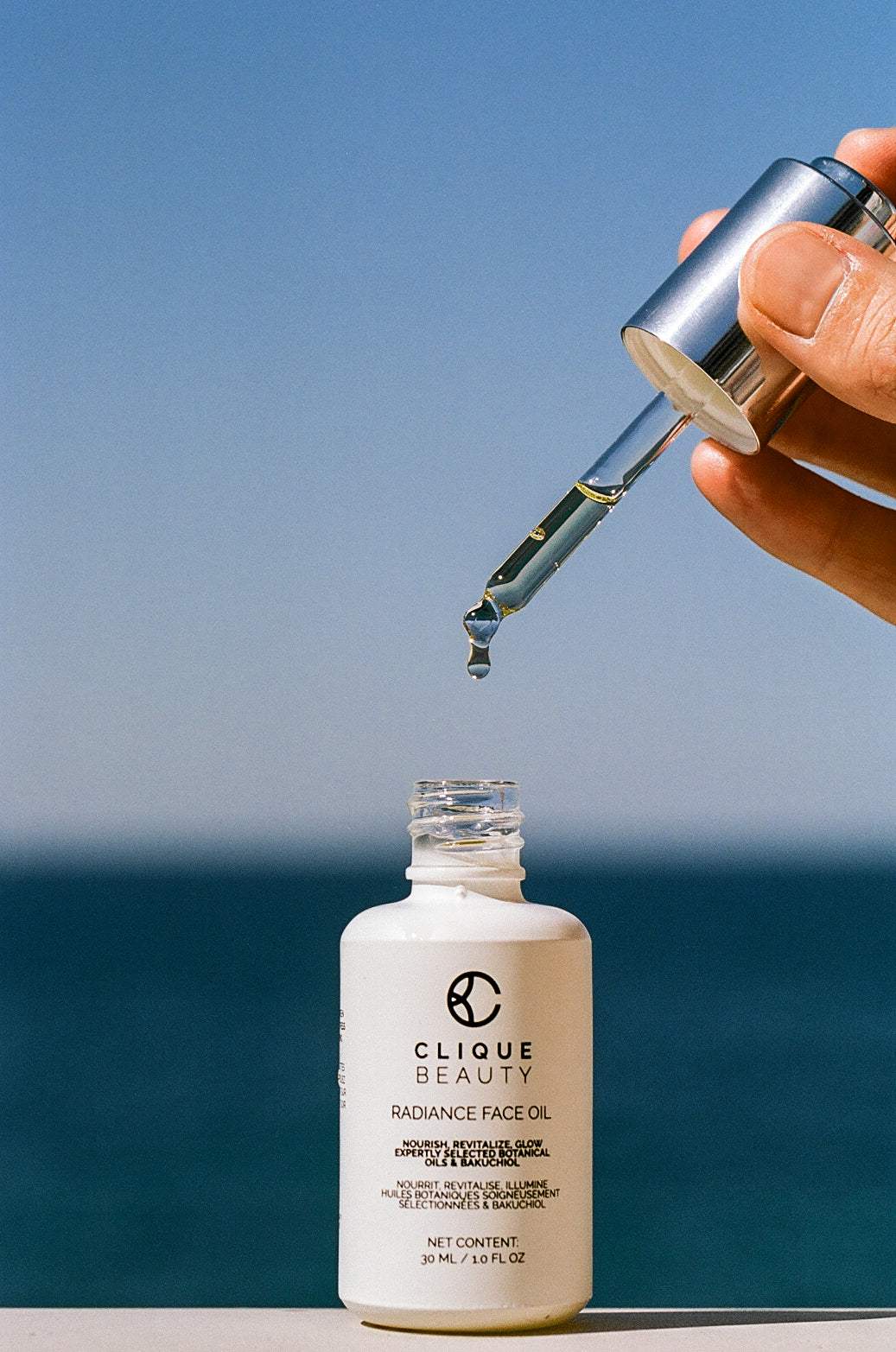
A face oil is the step we would call optional rather than essential — useful when skin needs lipids, redundant when it does not. The case for it, when there is one, is in why a face oil can be the most efficient step.
FAQ
How many skincare steps do I actually need?
Three carry most of the result: a cleanser that does not strip, a moisturizer containing a purposeful active, and daily SPF in the morning. Everything beyond that should have a job you can name.
Is minimal skincare bad for anti-aging?
No. What matters is the active, the dose and the consistency, not the number of steps. A short routine used every day generally outperforms a long one used sporadically.
Can I use actives in a minimal routine?
Yes. Fewer steps, purposeful actives — vitamin C, niacinamide and bakuchiol all work in a short routine, ideally combined in a formula rather than stacked as separate layers.

Comments