

Eye Area Skincare: Why This Skin Is Different and How to Treat It

In short: the skin around the eye is roughly a third to a half as thick as the skin on your cheeks, has very few oil glands and folds tens of thousands of times a day. That combination means it dehydrates sooner, reacts sooner and shows fatigue sooner. Treating it well is less about buying more and more about lighter textures, shorter formulas and a gentler hand.
What makes eye area skin structurally different
This is not a marketing distinction. The periorbital area is genuinely built differently from the rest of the face, and each difference has a practical consequence for what you put on it.
| Anatomical fact | What it means for your routine |
|---|---|
| The skin is markedly thinner than on the cheeks | Actives penetrate faster, so face-strength doses can irritate |
| Very few sebaceous glands | Almost no natural lubrication; the area dries out first |
| Constant movement from blinking and expression | Fine lines set in here before anywhere else |
| A loose, thin layer of fat and a dense capillary network | Fluid pools overnight, which reads as puffiness and shadow |
| Slower lymphatic drainage in a small, enclosed zone | Salt, alcohol and short nights show up visibly by morning |
| High sensitivity to denatured alcohol and essential oils | Stinging here is an early warning for the whole face |
Why a face cream is not always enough there
A gentle face moisturizer applied up to the orbital bone is perfectly reasonable for many people, and we say so plainly in our honest answer on whether eye cream is necessary. But three things limit how far a face cream can go on this zone.
The first is texture. Rich emollient systems designed for cheeks and forehead can sit on thin skin rather than absorb into it, and occlusion around the eye is what encourages milia — those small white bumps under the surface.
The second is that this is the first place on the face to register anything at all. That makes an eye formula the right place to keep the ingredient list as short as it can usefully be, denatured alcohol and essential oils included. It is a decision about one zone, not a verdict on what belongs in a face cream.
The third is dose. Percentages calibrated for facial skin arrive at a different effective strength on skin this thin. Lower, better-targeted doses do more here than stronger ones.
The application gesture, step by step
Formula matters, but on this zone the gesture is close to half the result. Keep this sequence.
- Use less than you think. A grain of rice for both eyes. Excess product is the main cause of milia and of formula creeping into the eye itself.
- Warm it between fingertips first. A cold, thick dot forces you to drag the skin to spread it.
- Apply on the orbital bone, not the lid. Follow the bony ridge you can feel around the socket. Body heat and blinking carry the formula upward on their own — you never need to go closer to the lash line.
- Use your ring finger. It is the weakest finger, so it applies the least pressure. That is the entire reason for the convention, and it is a good one.
- Tap, do not rub. Small taps from the inner corner outward. Dragging stretches skin that has little structural support to resist it.
- Give it a moment before anything else. Let it settle before sunscreen or concealer, otherwise everything pills.
Where eye care fits in your routine
After cleansing, before your face moisturizer — thinnest textures first, richest last. That is the same logic that governs the whole routine, which we set out in skincare routine order, morning and night.
Morning is the application that does the most visible work, because it addresses the fluid that has settled overnight. Evening use is optional and depends on how your skin tolerates it. If you use retinol or acids at night, keep them off this zone entirely rather than reducing them.
Mistakes that show up around the eyes first
Because this area reacts before the rest of the face, it works as an early-warning system for your whole routine. Persistent redness or stinging here usually means something in your routine is too strong or too frequent — not that you need a stronger eye product.
The other common error is expecting a topical formula to solve a structural feature. Hollowing under the eye is anatomy. Pigmentation is pigment. Fluid and dehydration are the two things skincare genuinely moves.
How we approach this at Clique Beauty
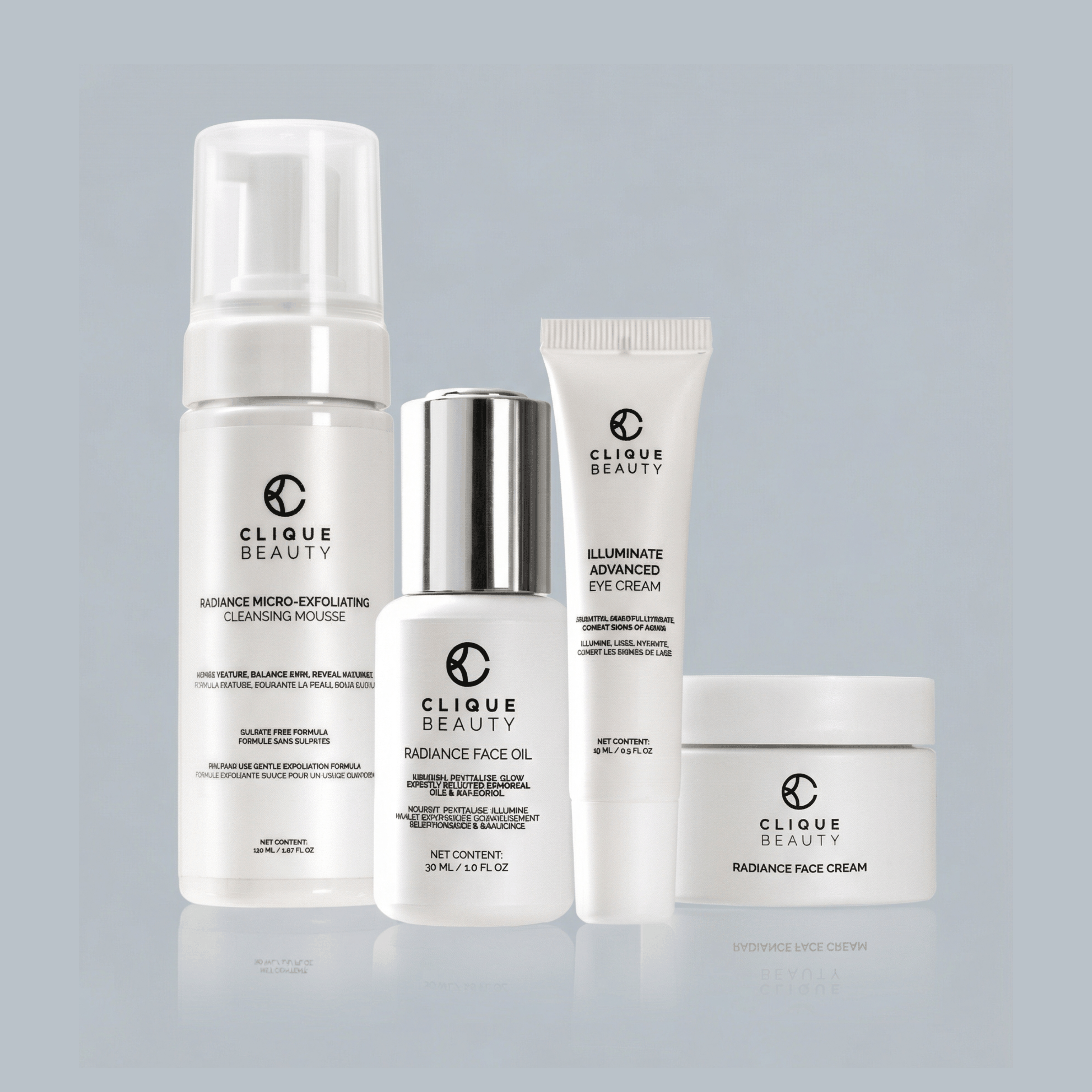
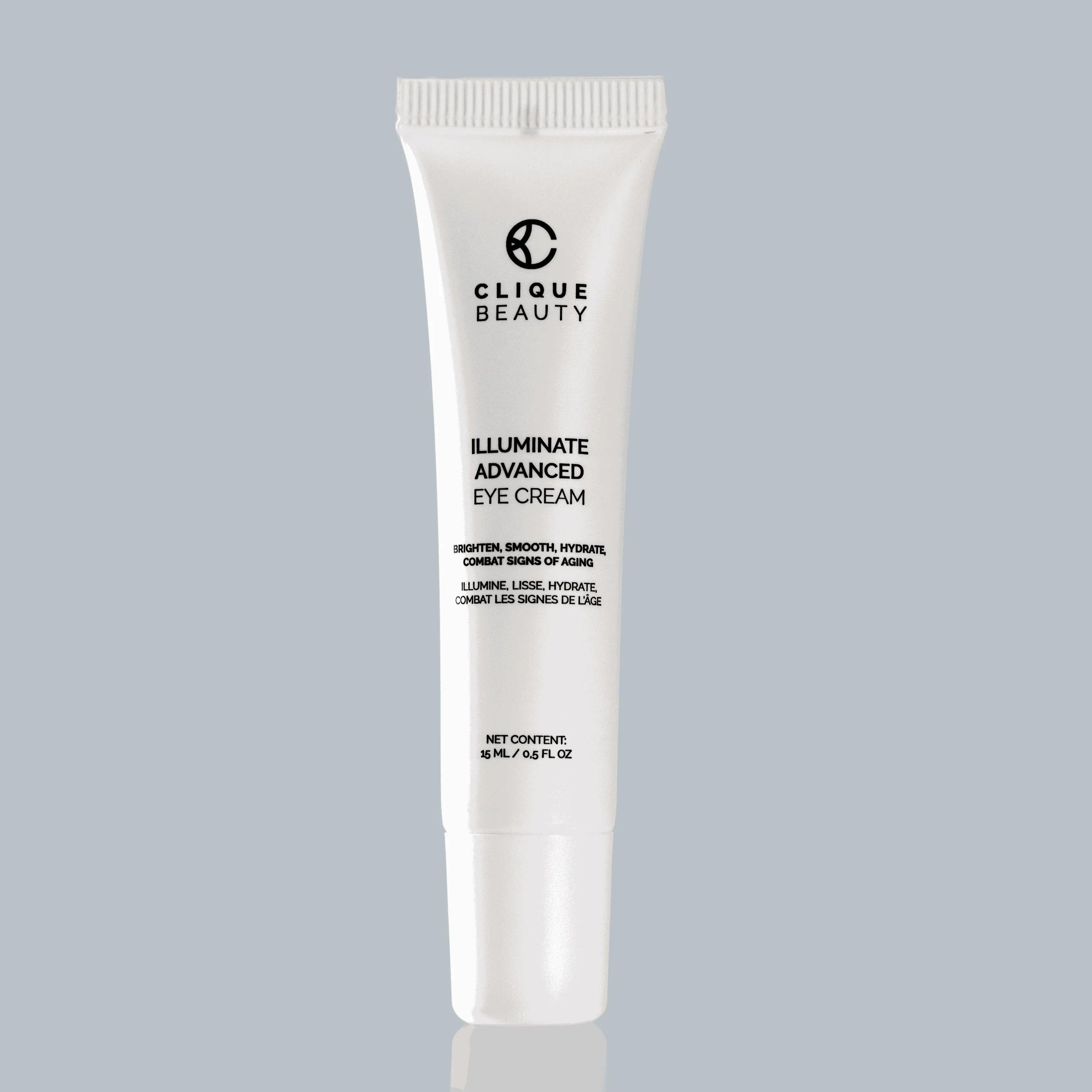
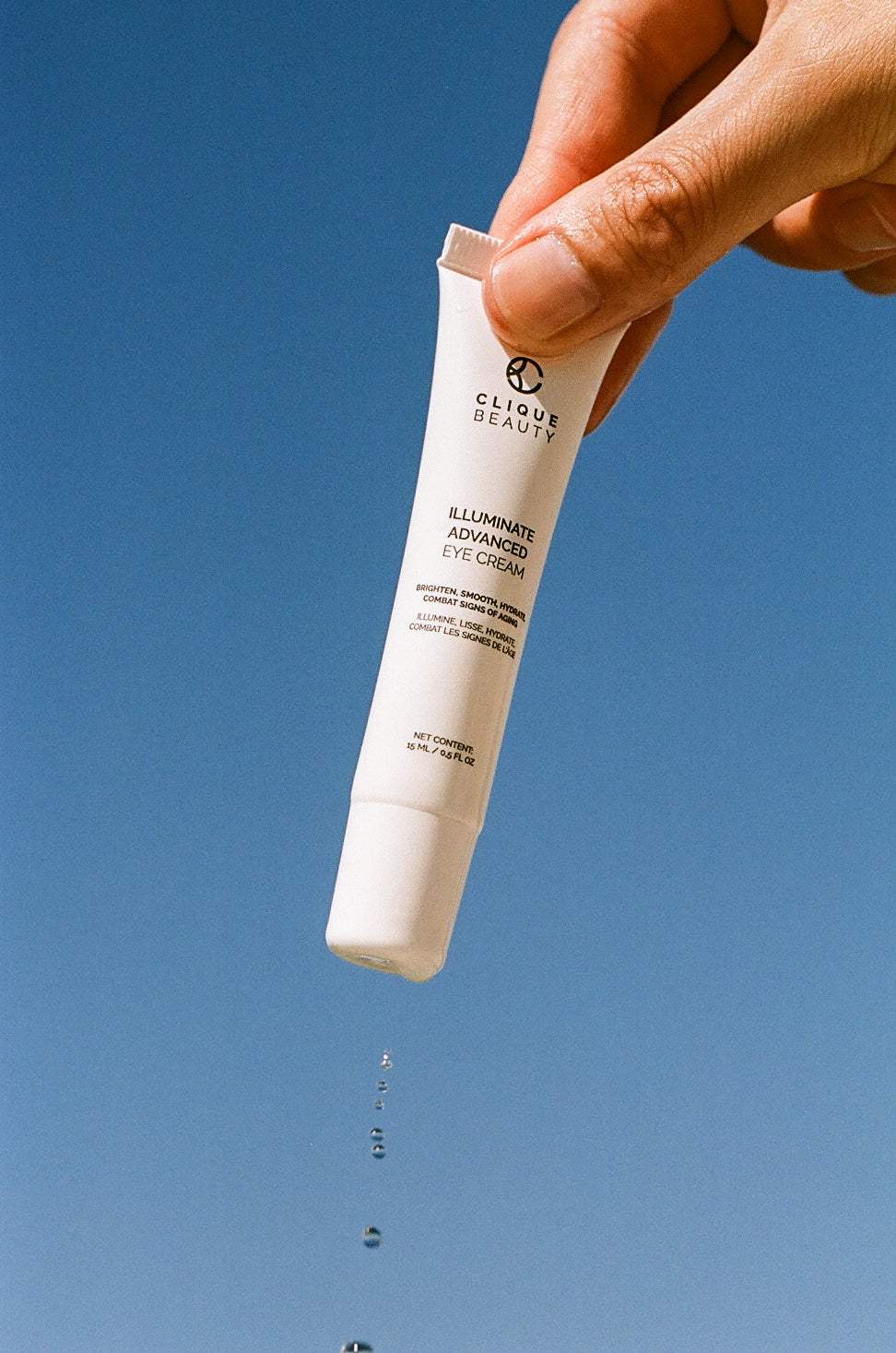
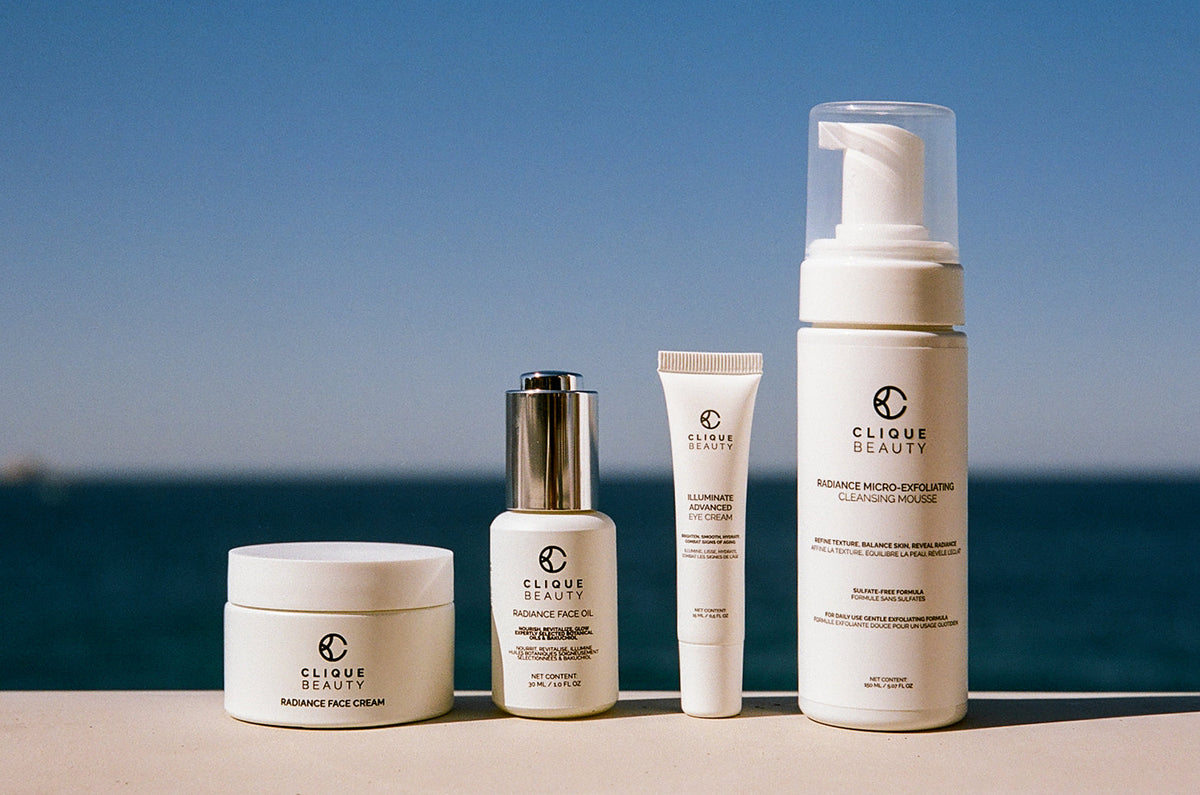
Our Illuminate Advanced Eye Cream is formulated around those constraints rather than around a claim. Caffeine at 1% supports microcirculation, which is the mechanism behind the less puffy morning look — the evidence for that is in does caffeine in eye cream actually work. Niacinamide at 5% supports the barrier and limits water loss, which matters on skin with almost no oil of its own.
The base is deliberately light: squalane and avocado oil for lipid support close to the skin's own, chamomile flower water and sodium hyaluronate for comfort and surface hydration, tocopherol as an antioxidant. It measured a +37% increase in hydration in clinical testing.*
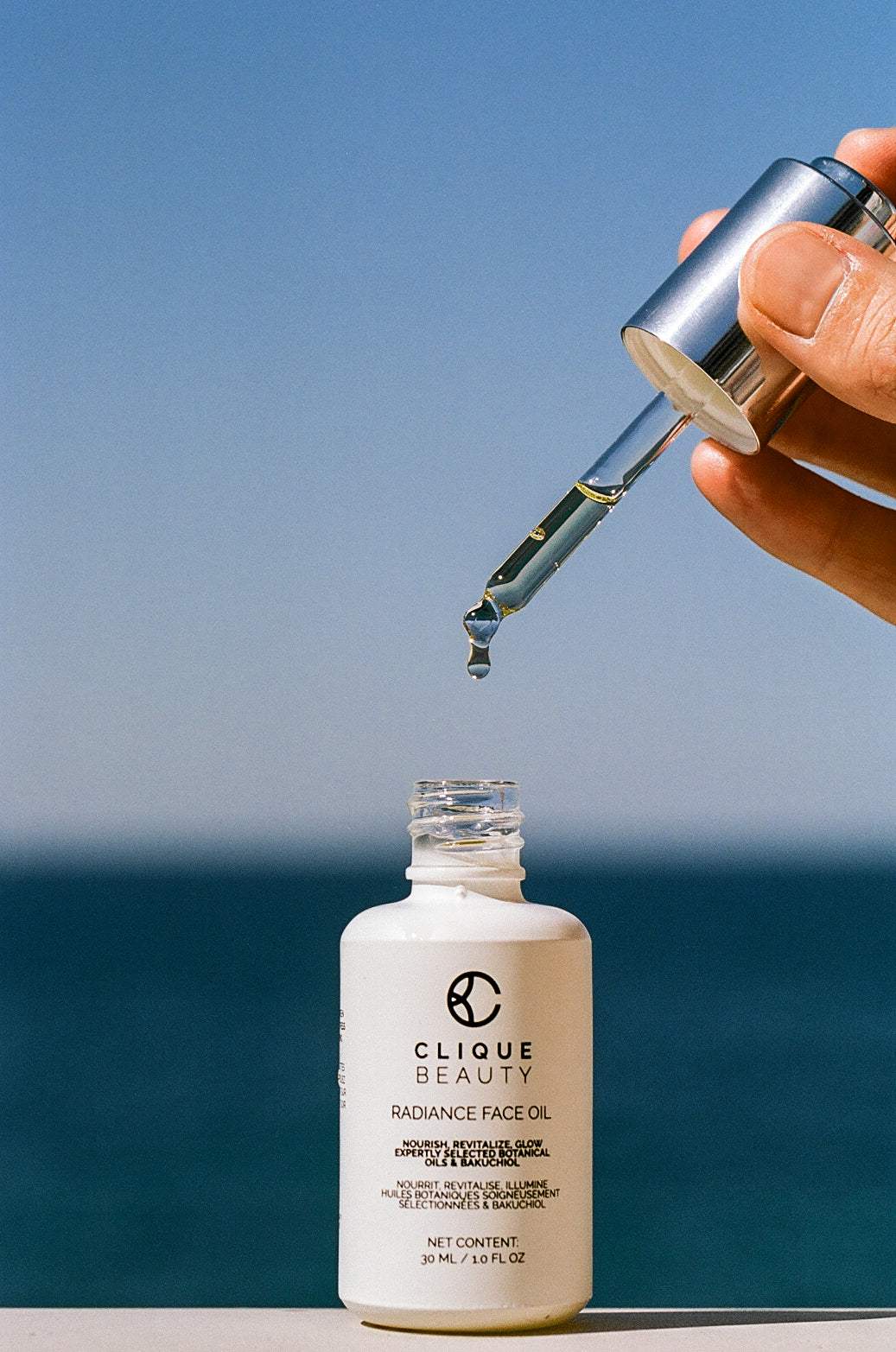
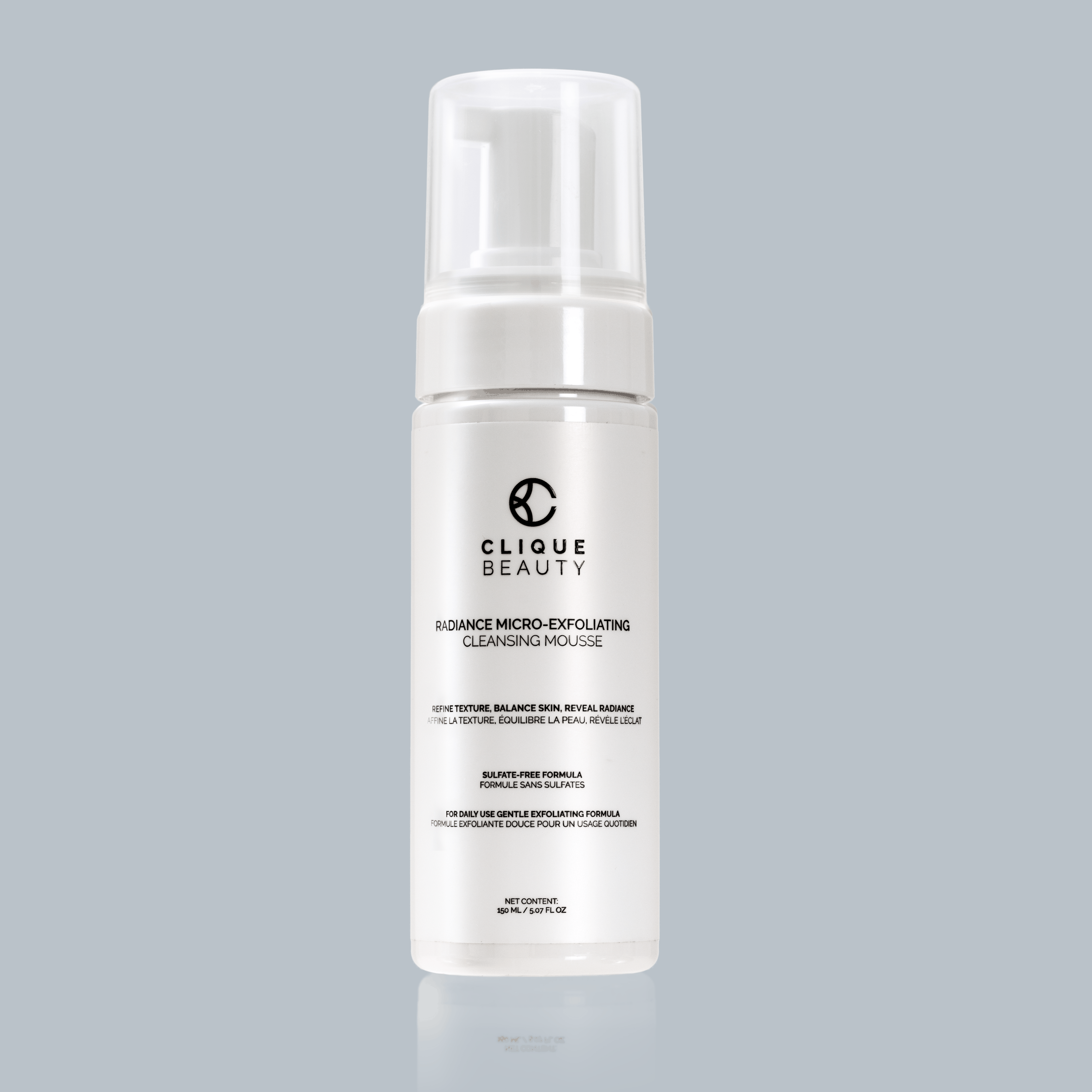
It is formulated without fragrance, which is a decision about this zone specifically. The eye contour reacts before anywhere else on the face, so this is the one formula in the range we hold to the shortest list it can work with. The mousse, the cream and the oil are perfumed, and deliberately so — they are made in the country that invented modern perfumery, and a routine you enjoy is a routine you keep.
FAQ
Why is the skin around my eyes so much drier than the rest of my face?
Because it has very few oil glands. With little sebum to slow water loss, it dehydrates faster than any other area, which is why it feels tight and looks crepey first.
Should I use my ring finger to apply eye cream?
Yes. It is the weakest finger, so it applies the least pressure on skin that has little support to resist stretching. Tap along the orbital bone from the inner corner outward rather than rubbing.
Can I put retinol or acids around my eyes?
Keep them off the eye area unless a product is specifically formulated for it. Doses calibrated for facial skin are stronger in effect on skin this thin, and irritation shows up here first.
*Clinically measured increase in skin hydration. Individual results vary.
Comments