

Why Cleansing Sets the Tone for Your Entire Skincare Routine
In short: cleansing is not a neutral step you get through before the real routine starts. It decides the condition of your skin for everything applied afterward. Too aggressive and the barrier compensates with tightness, oil and reactivity; too weak and residue blocks whatever comes next. The target is a cleanser that leaves skin comfortable, never squeaky.
What a cleanser is actually supposed to do
A cleanser has one job: remove sebum, sunscreen, makeup, sweat and airborne pollution without removing the lipids that hold your barrier together. That is a narrower brief than most people assume, and it is where the category most often overshoots.
Skin lipids and the oils you want gone are chemically similar, so a surfactant strong enough to strip one strips the other. That is why the feeling of a thorough clean and the fact of a healthy clean are not the same thing.
How to tell your cleanser is too harsh
Most people who think they have dry or oily skin actually have a cleanser problem. Use this as a diagnostic.
| What you notice | What it usually means |
|---|---|
| Skin feels tight or squeaky right after rinsing | Your cleanser is stripping lipids, not just dirt |
| You need moisturizer immediately or skin is uncomfortable | Same cause — the barrier is being disrupted daily |
| Skin turns oilier through the day than it used to | Rebound oil production after over-cleansing |
| Serums that used to be fine now sting on application | Barrier disruption, not a serum problem |
| Residual makeup on the cotton pad after cleansing | Under-cleansing — the formula is not doing enough |
| Skin feels soft and calm, neither tight nor filmy | This is the target. Nothing to change. |
If several rows in the top half describe you, the fix is the cleanser, not another moisturizer. The same logic applies to full-blown barrier damage, which we cover in how to strengthen your skin barrier.
Why sulfate-free is a real distinction
Sulfates are efficient, cheap and very effective at producing dense foam, which is exactly why they became the default. They are also indiscriminate: they dissolve barrier lipids alongside surface grime, and on a twice-daily schedule that adds up.
Gentler surfactant systems — amino-acid derived and coconut-derived surfactants, for example — clean at a comparable standard with far less lipid loss. You lose some of the foam theatre. You keep the barrier. On a step you repeat every single day, that trade is not close.
Where gentle exfoliation fits into cleansing
Acids in a cleanser behave differently from acids in a leave-on serum, and the difference is contact time. A cleanser is on the skin briefly and then rinsed, which naturally limits the dose. That makes it a sensible place for a low-strength acid blend for people who would over-apply a serum.
Low-dose alpha hydroxy acids loosen the bonds between dead surface cells so they shed evenly. That is the mechanism behind smoother texture and more even light reflection — micro-exfoliating rather than resurfacing. We go deeper into the trade-offs in what an AHA cleanser actually does.
What does not belong in a daily cleanser is mechanical grit. Crushed shells, sugar and scrub particles create micro-tears in the surface, and the inflammation that follows makes texture and congestion worse rather than better.
The rules that make cleansing work
These are worth keeping. They apply to any cleanser, not only ours.
- Lukewarm water, never hot. Heat strips lipids faster than most surfactants do, and it leaves skin flushed.
- Twenty to thirty seconds of contact. Long enough to emulsify sunscreen and sebum, short enough to avoid stripping.
- Once at night, lightly in the morning. Evening removes the day. Morning removes overnight sebum — water alone is enough if your skin runs dry.
- Fingertips, not tools. Brushes and cloths add friction without adding cleaning power.
- Pat dry, do not scrub. A rough towel undoes a gentle wash.
- Apply the next step on slightly damp skin. Hydrating actives bind water better before the surface fully dries.
- If it squeaks, it stripped. The single most useful rule in this article.
Why the first step changes the last one
Skin that has been cleansed rather than stripped absorbs what follows more evenly, and it tolerates actives better. Skin that has been stripped spends the next step repairing instead of improving, and the serum or cream you chose carefully gets blamed for the result.
That is why cleansing sets the tone for the whole sequence, and why it is the first thing we look at when a routine stops working. The order of everything after it is set out in skincare routine order, morning and night.
How we approach this at Clique Beauty
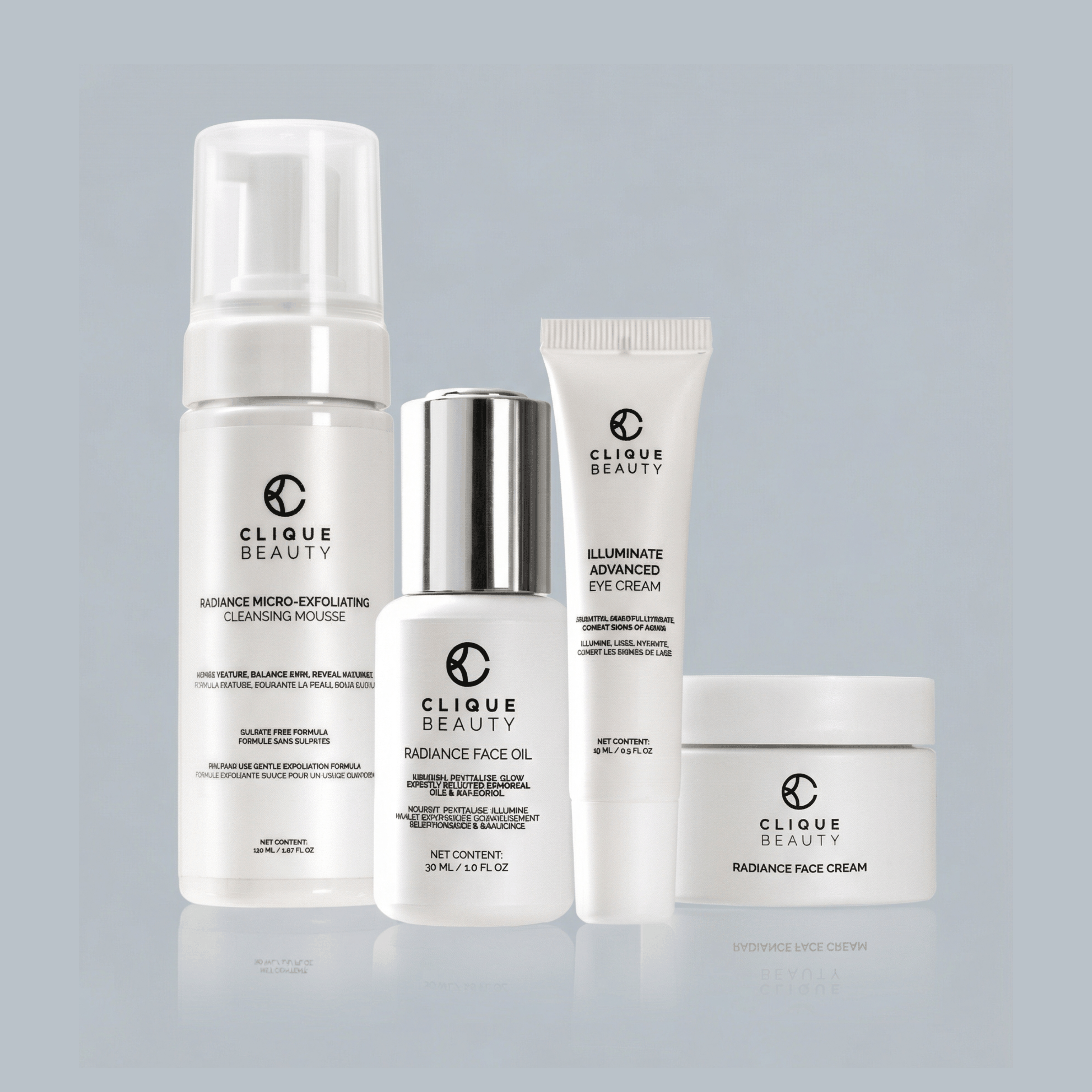
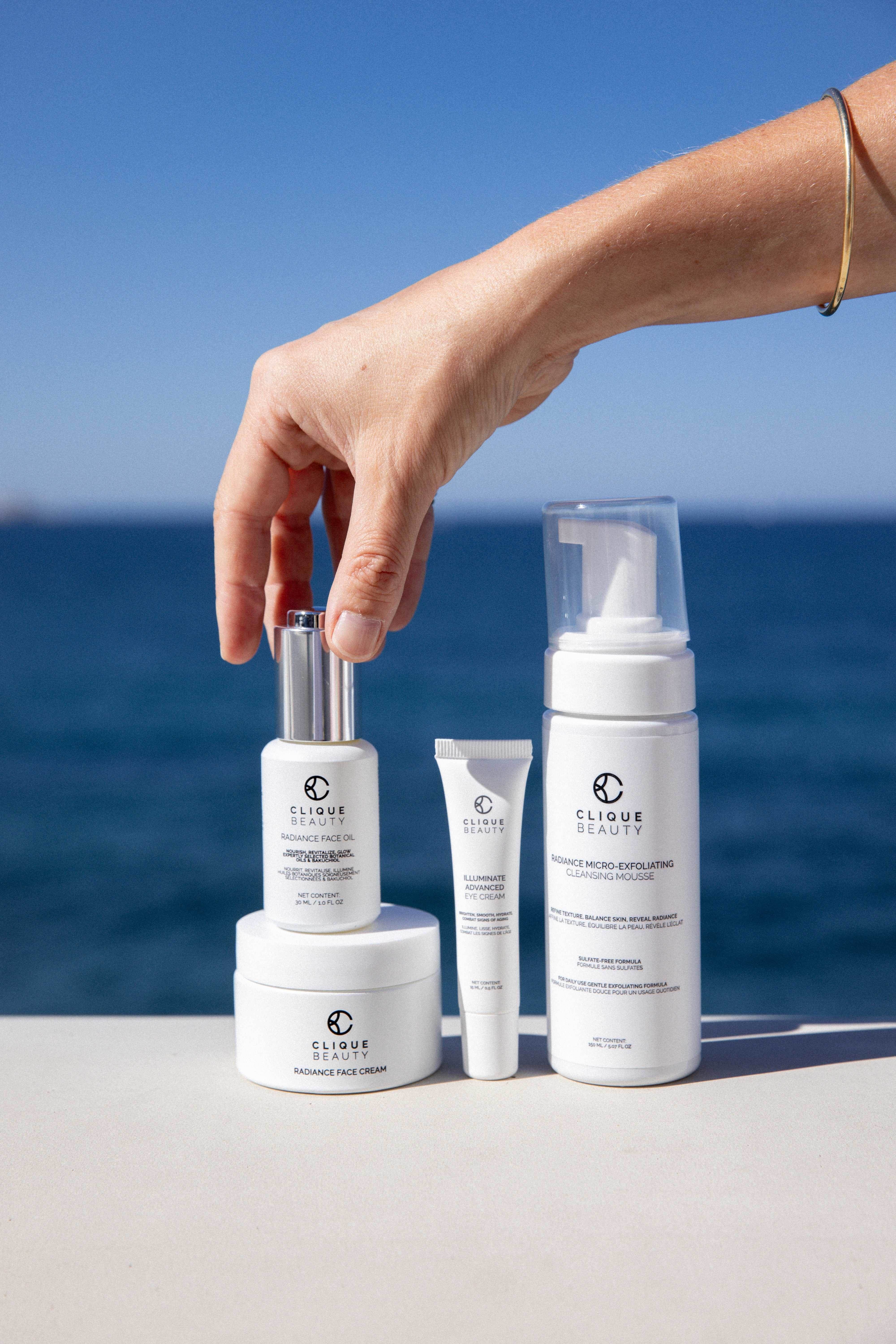
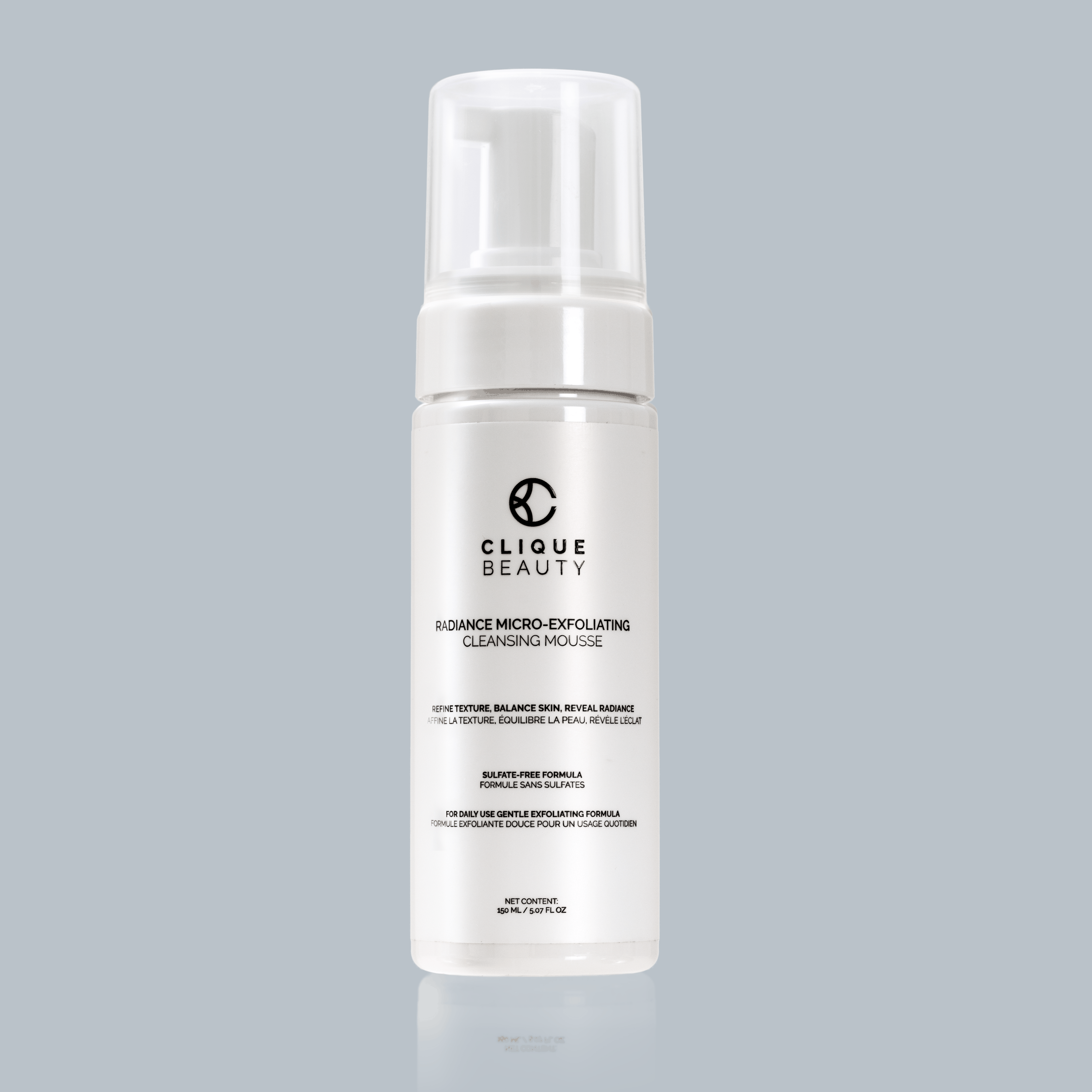
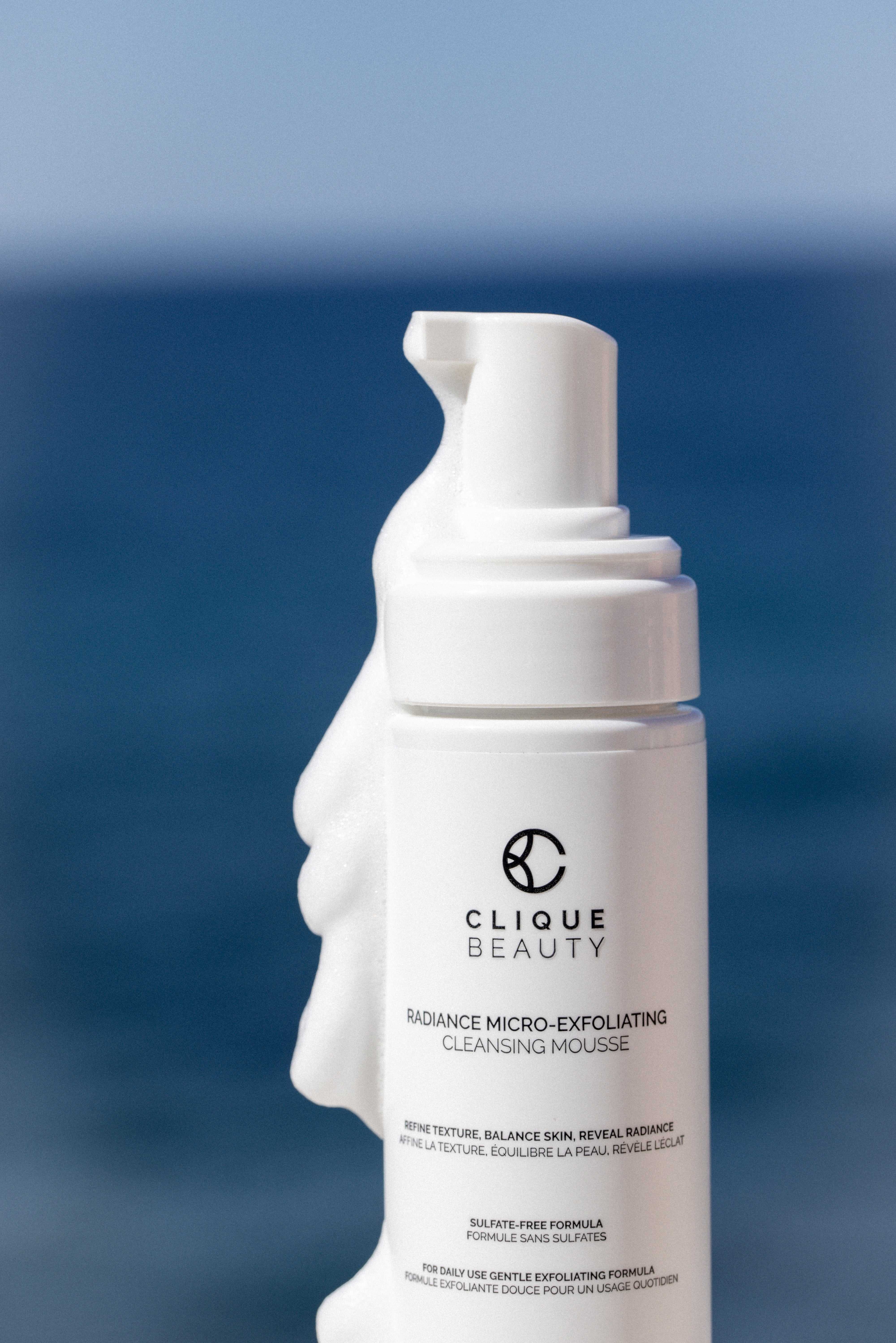
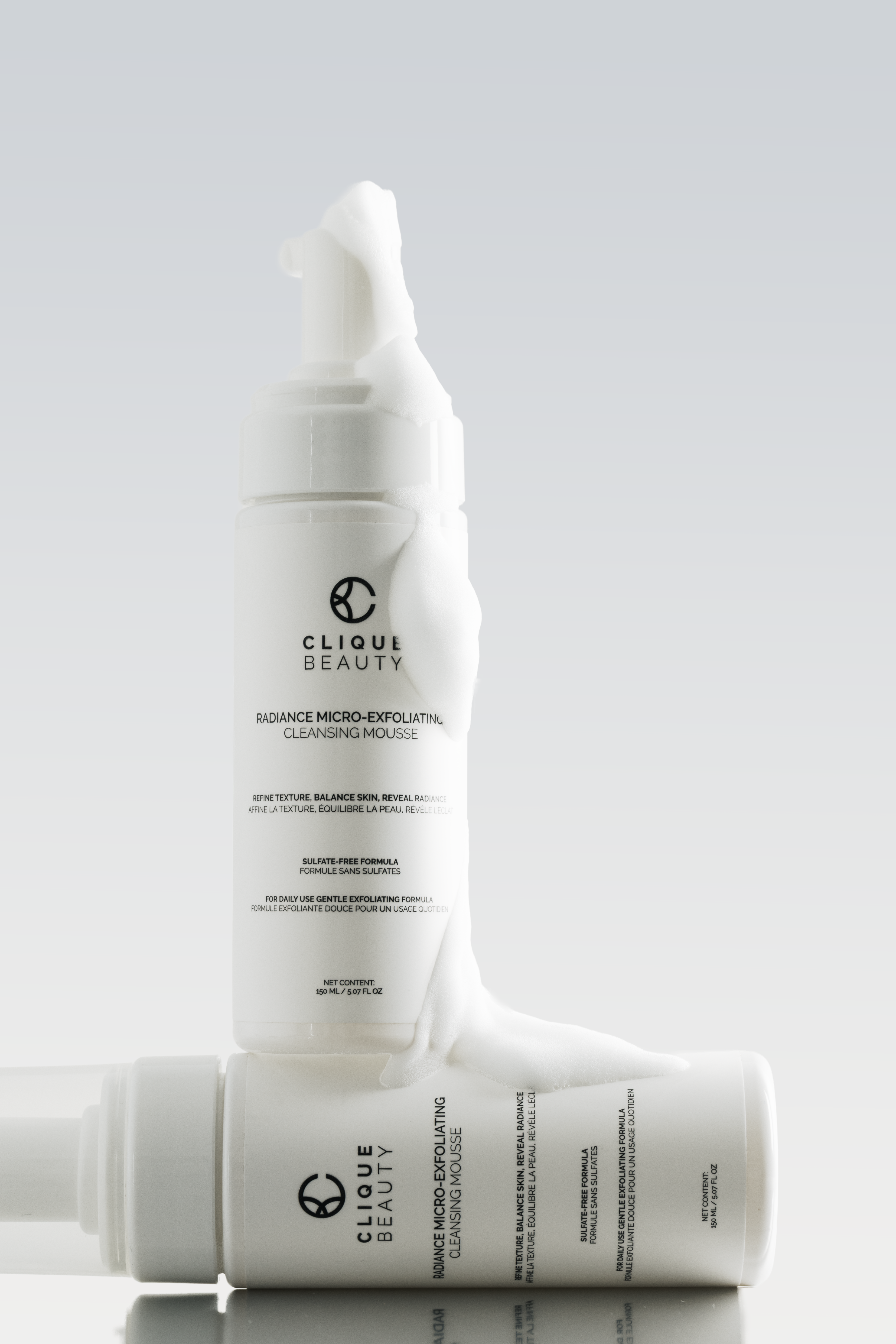
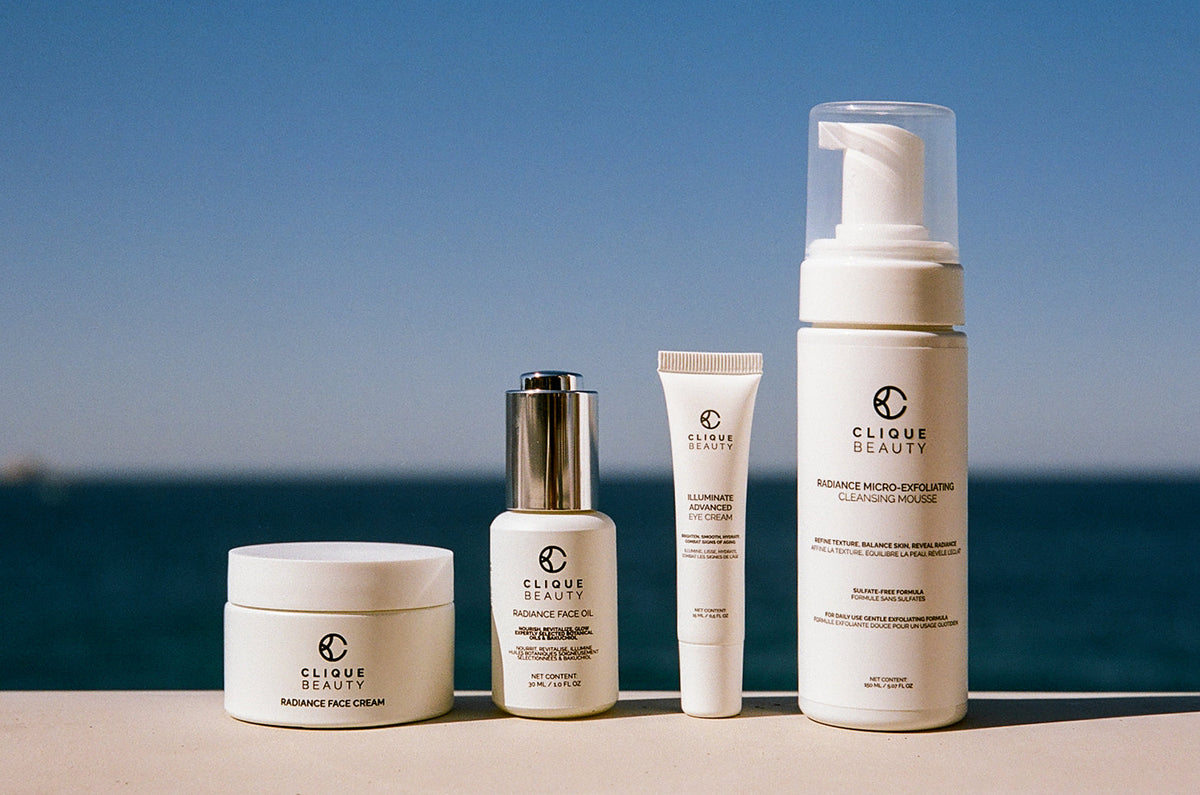
Our Radiance Micro-Exfoliating Cleansing Mousse was built to sit exactly on that line. It is sulfate-free, using disodium cocoyl glutamate and sodium cocoamphoacetate instead, so it removes sunscreen and sebum without dissolving the lipids underneath.
The exfoliation comes from a triple AHA complex — glycolic, lactic and mandelic acids — supported by an eight-fruit enzyme complex. There are no grains and no mechanical abrasion. Zinc PCA helps manage oil, and allantoin with calendula keeps the formula tolerable on daily use.
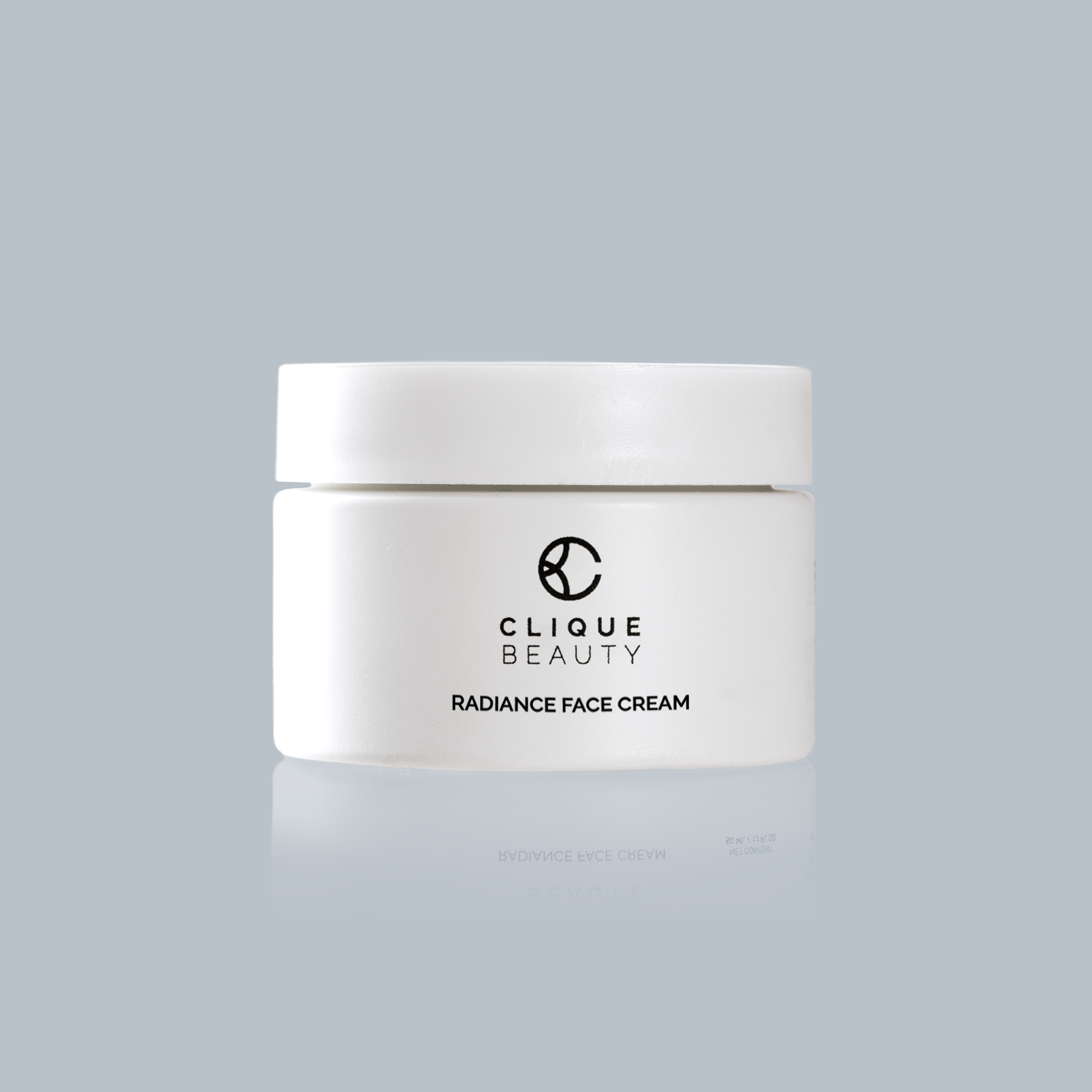
Follow it with a moisturizer that replaces what a day removes; our Radiance Face Cream is the one we designed for that slot. Fewer steps, each doing its own job properly.
FAQ
Should I wash my face in the morning?
Yes, but lightly. Overnight sebum and product residue are worth removing before sunscreen. If your skin is dry or reactive, lukewarm water alone in the morning is a legitimate choice.
Is it bad if my face feels squeaky clean?
Yes. That tight, squeaky feeling means the cleanser removed barrier lipids along with the dirt. Skin should feel soft and comfortable after rinsing, not stripped.
Can I use an exfoliating cleanser every day?
A low-dose AHA cleanser is designed for daily use because contact time is short. Use it once a day rather than twice, and pause it if skin starts to sting or look red.

Comments