

French Skincare Philosophy: Why Fewer Steps Work Better
In short: The French approach to a routine is built on prevention rather than correction. Fewer steps, each one chosen deliberately, used every day rather than in intensive bursts. It is not a rejection of active ingredients. It is the position that effective skincare does not have to be aggressive, and that consistency beats intensity almost every time.
What is the French skincare philosophy, really?
Strip away the mythology and it comes down to one working assumption: healthy skin is skin that is not being interfered with. The job of a routine is to protect the barrier, keep it comfortable, and let it do the renewal work it already knows how to do. Everything else is optional.
That assumption produces a short routine by necessity. Cleanse without stripping. Treat one thing at a time, if there is something to treat. Moisturize. Protect from UV. Most people do not need a fifth category, and the ones who add it usually end up with more irritation, not more results.
Why does prevention beat correction?
Correction is expensive and slow. Once the barrier is compromised, pigmentation has settled or texture has roughened, you are working against a process that already happened, and the fix takes far longer than the damage did. Prevention is cheap by comparison: it is mostly sun protection, a cleanser that does not strip, and a moisturizer used without fail.
The trade is that prevention gives you nothing dramatic to look at. Nothing peels, nothing tingles, nothing visibly resets. That is precisely why it gets abandoned in favor of something more eventful, and why the people whose skin looks steady in their forties are usually the ones who found this boring years earlier.
What should you do instead of adding a product?
Almost every skincare impulse has a subtraction-first answer. This is the one worth saving.
| The impulse | The better first move |
|---|---|
| Skin looks dull, so add an exfoliant | Check whether you are already exfoliating. Dullness on over-exfoliated skin is damage, not buildup. |
| Skin is dry, so buy a richer cream | Look at the cleanser first. Tightness straight after washing means the problem starts there. |
| Nothing is working, so add a serum | Remove one product instead and hold the routine steady before judging it. |
| Breakouts appear, so strip everything back | Keep moisturizing. Stripped skin compensates by producing more oil. |
| A product stings, so push through it | Stop it. Stinging is information, not evidence that it is working. |
| Results feel slow, so raise the strength | Raise the frequency of the basics instead. Consistency is the variable most people are missing. |
What does a short routine actually look like?
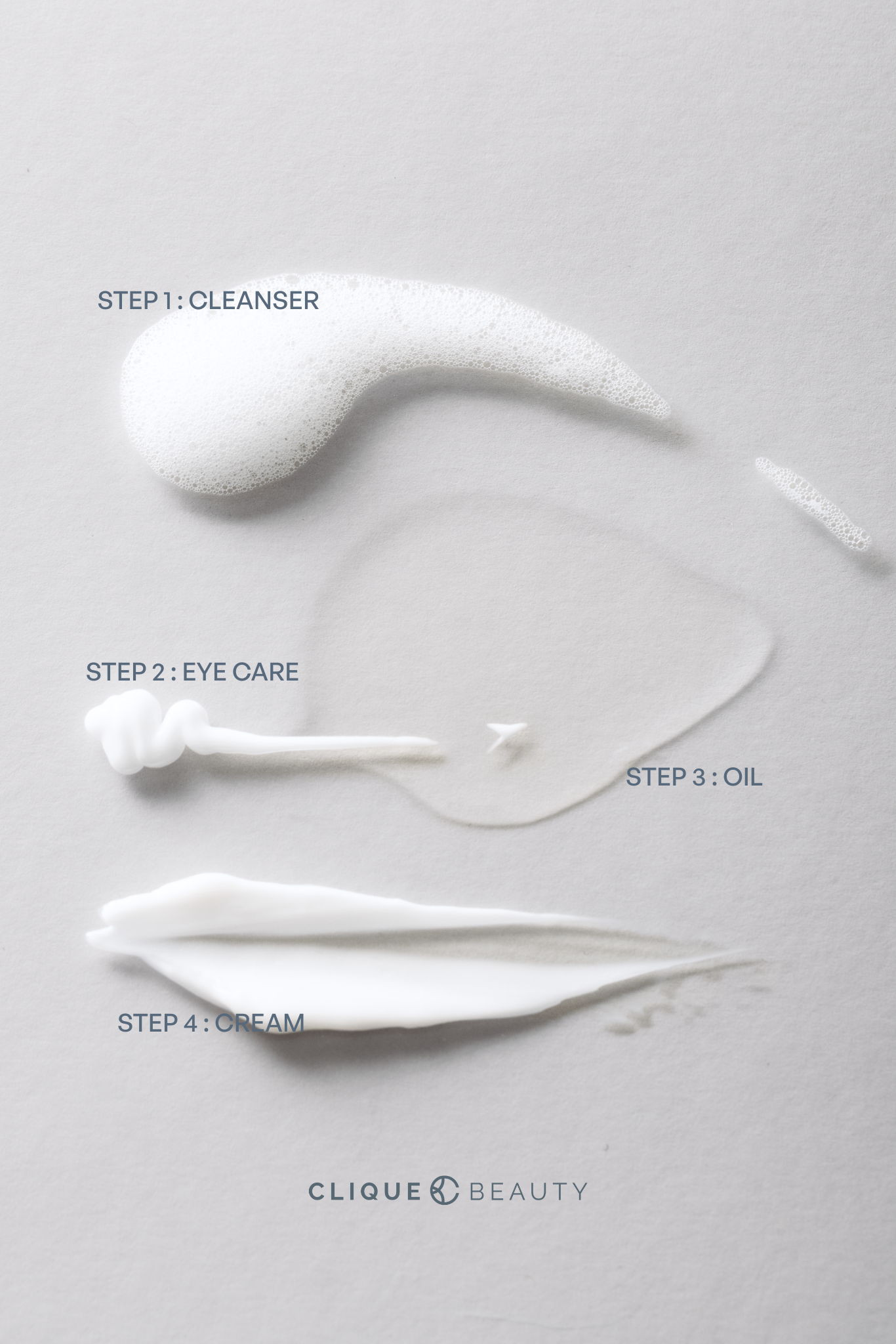
Four steps, in this order, is enough for most skin. The order matters more than the number of products, and the full reasoning is in our guide to routine order, morning and night.
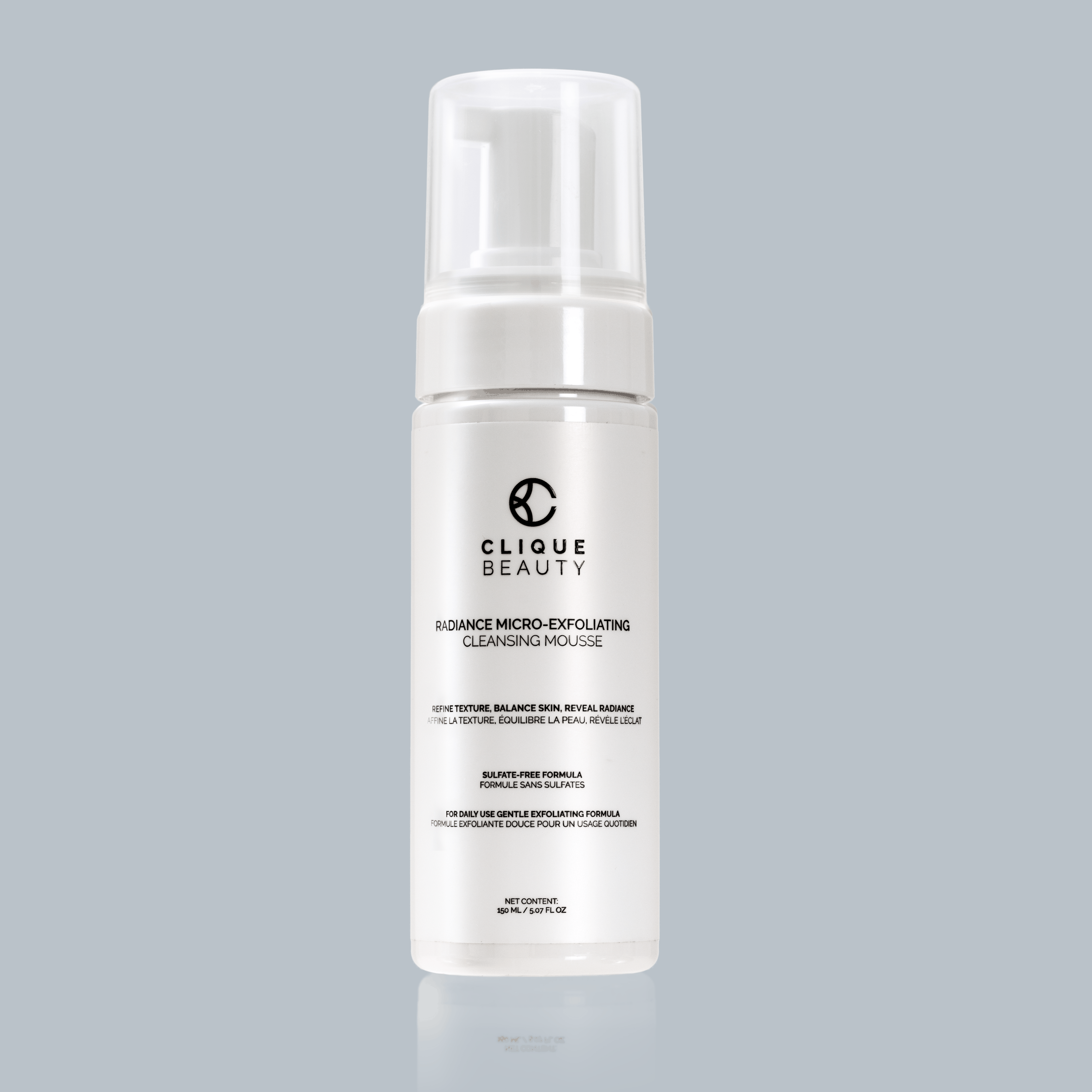
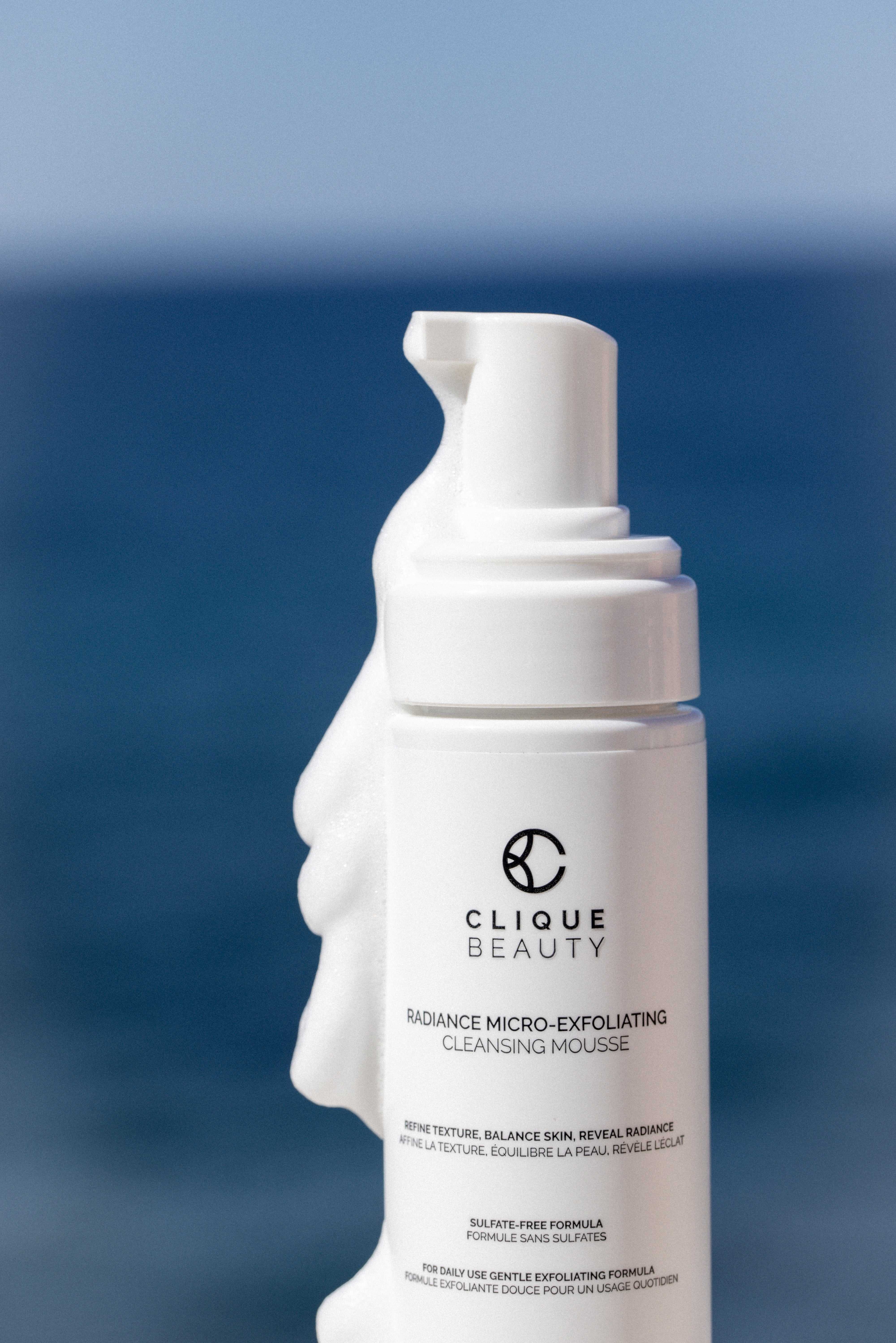
- Cleanse — a formula that leaves skin comfortable rather than squeaky. If it strips, everything after it is repair work.
- Treat, only if there is something to treat — one active, introduced alone, given enough time to show you what it does before anything else joins it.
- Moisturize — the non-negotiable step. Humectants, emollients and lipids in balance, not a single active carrying the whole formula.
- Protect — daily SPF in the morning. Nothing else in a routine returns as much for as little effort.
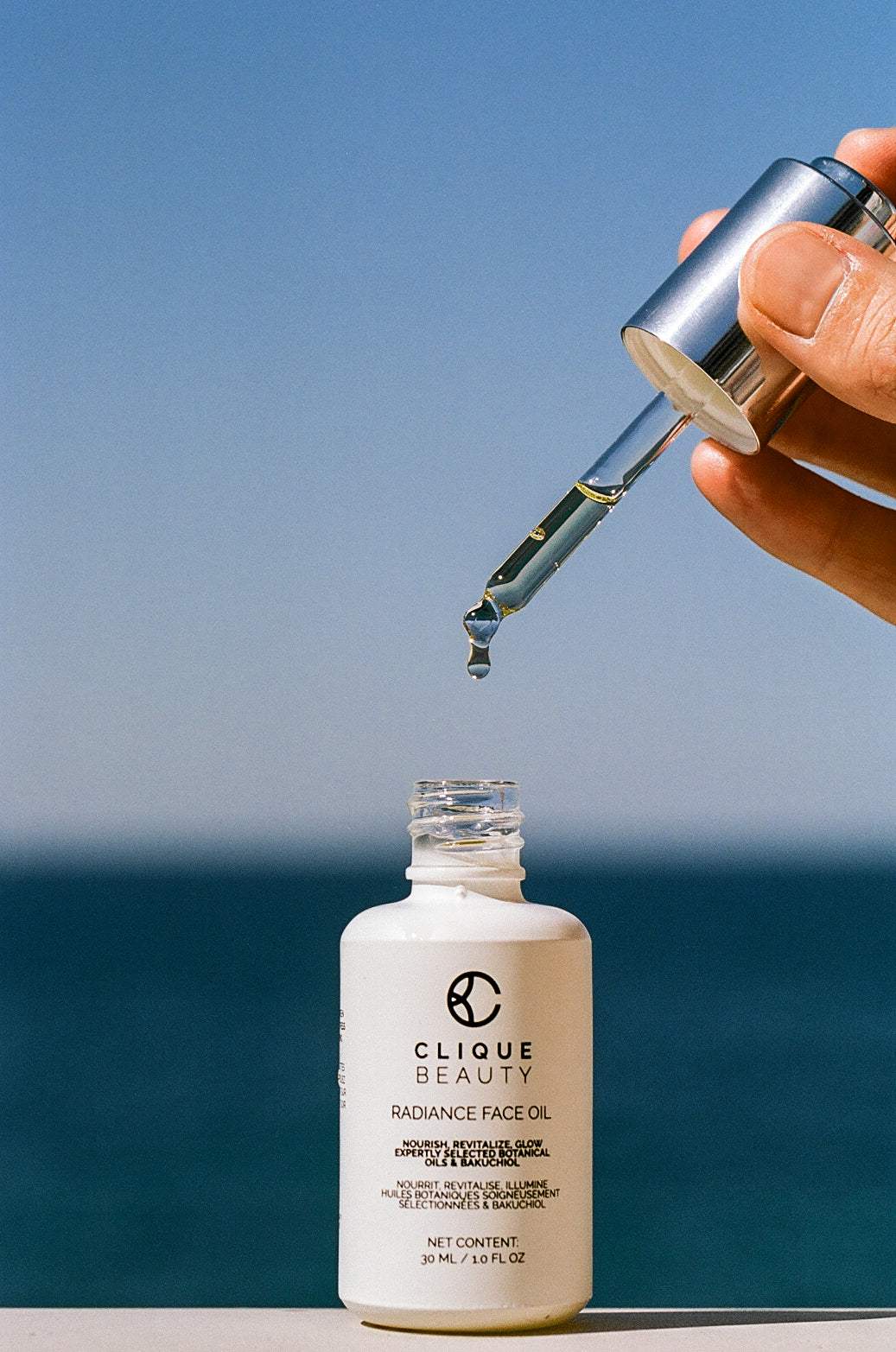
At night the SPF comes off the list. If skin wants more cushioning, a few drops of a light face oil pressed in before the moisturizer will do it — the cream still finishes the routine. That is the entire structure. The argument for keeping it this small is laid out in minimal skincare.
Does gentle mean ineffective?
No, and this is where the philosophy is most often misread. Restraint is about the delivery, not the absence of actives. Niacinamide, stabilized vitamin C, bakuchiol and low-dose acids all belong in a French routine. What does not belong is stacking them nightly at maximum strength and calling the resulting irritation progress.
The formulation question is always the same: what is the lowest level at which this ingredient still does its job, and what else in the formula makes it easier for skin to tolerate. Answering that well is harder than raising a percentage, which is part of why the regulatory environment a formula is developed under ends up shaping how it behaves.
How we approach this at Clique Beauty
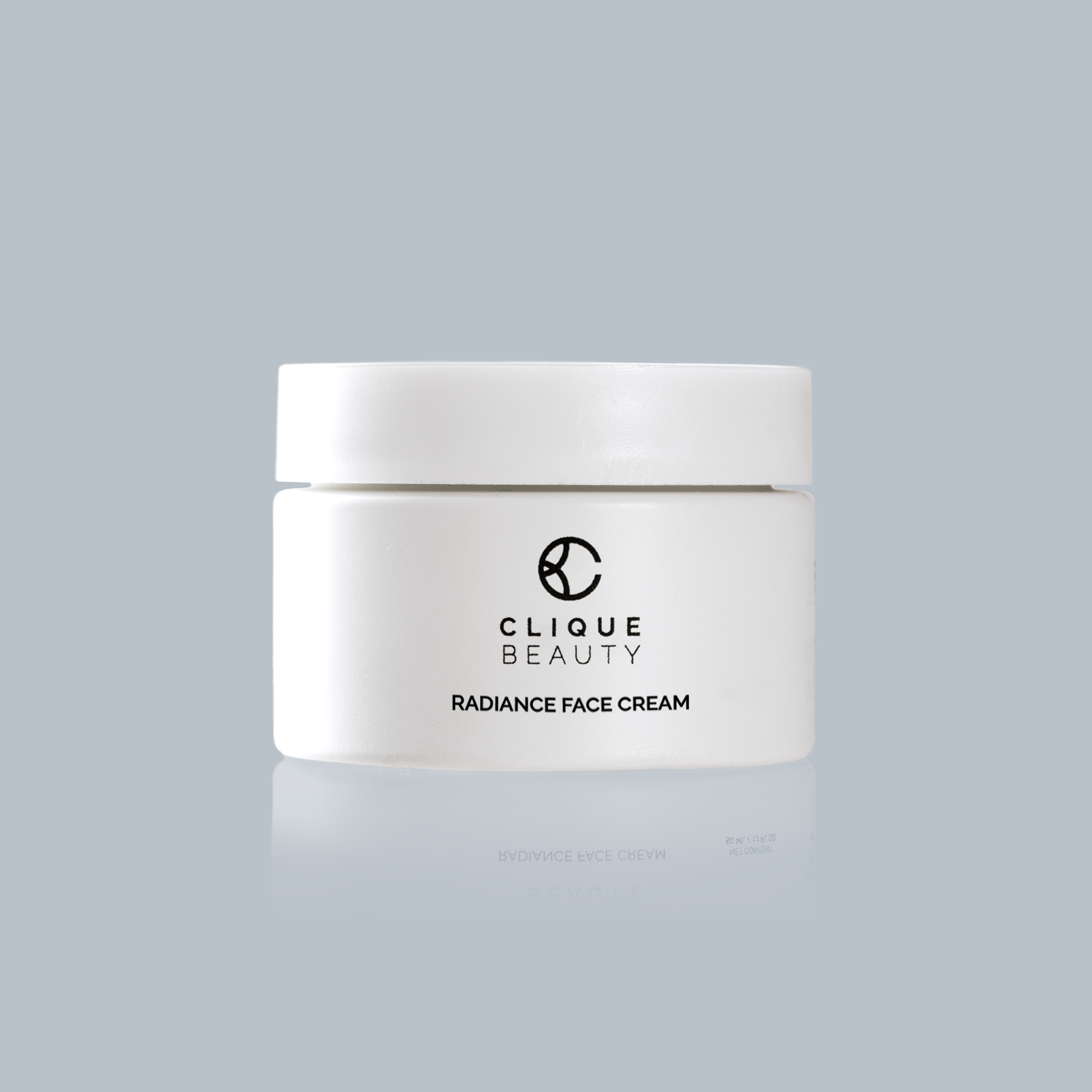
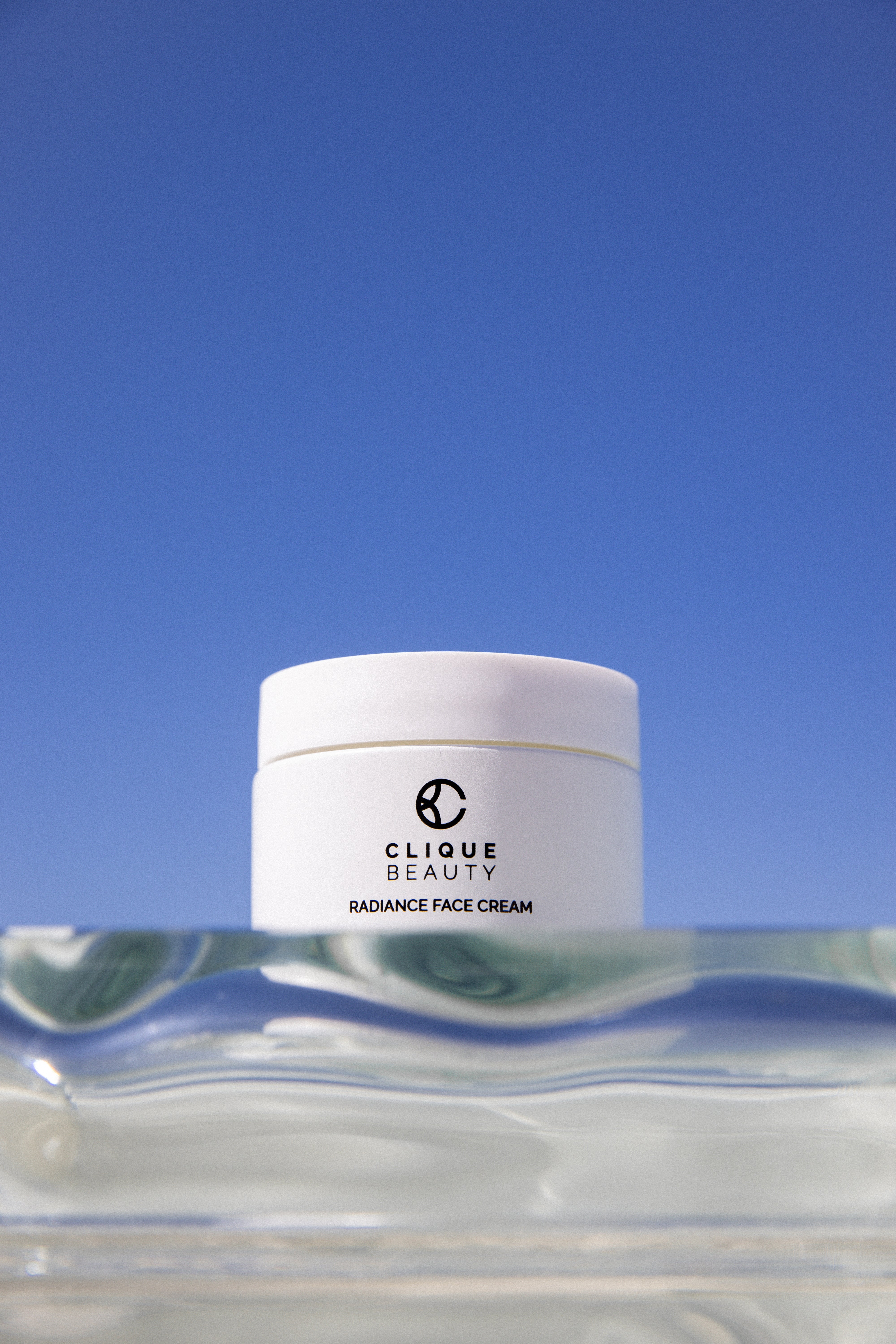
We build formulas that do several things adequately rather than one thing loudly, because that is what a four-step routine requires. Our Radiance Face Cream is the clearest example: stabilized vitamin C as ascorbyl glucoside, niacinamide, sodium hyaluronate for surface hydration, and a lipid base of organic shea butter, organic jojoba and squalane, with seven alpine botanicals for tolerance. One product, several jobs, used every day.
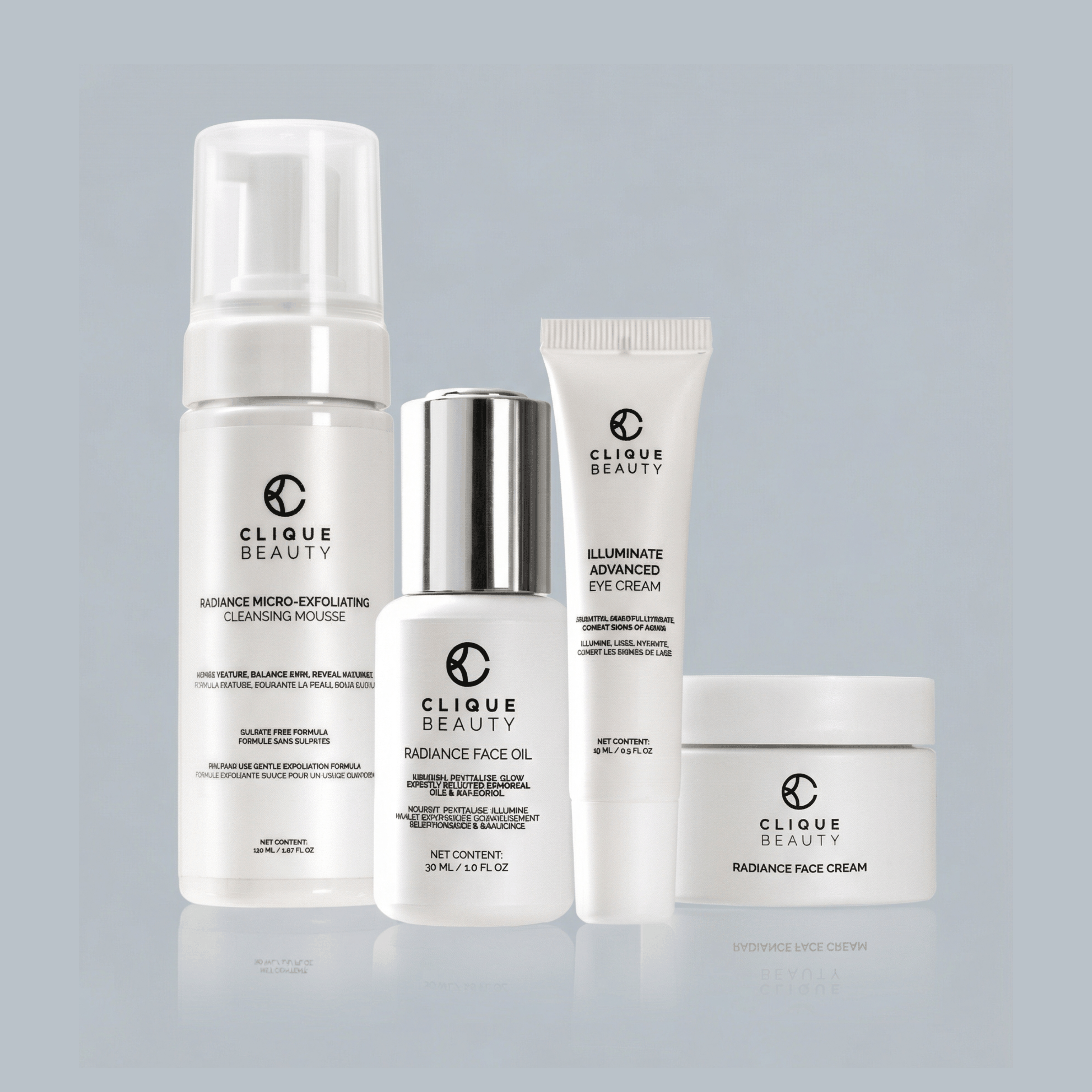
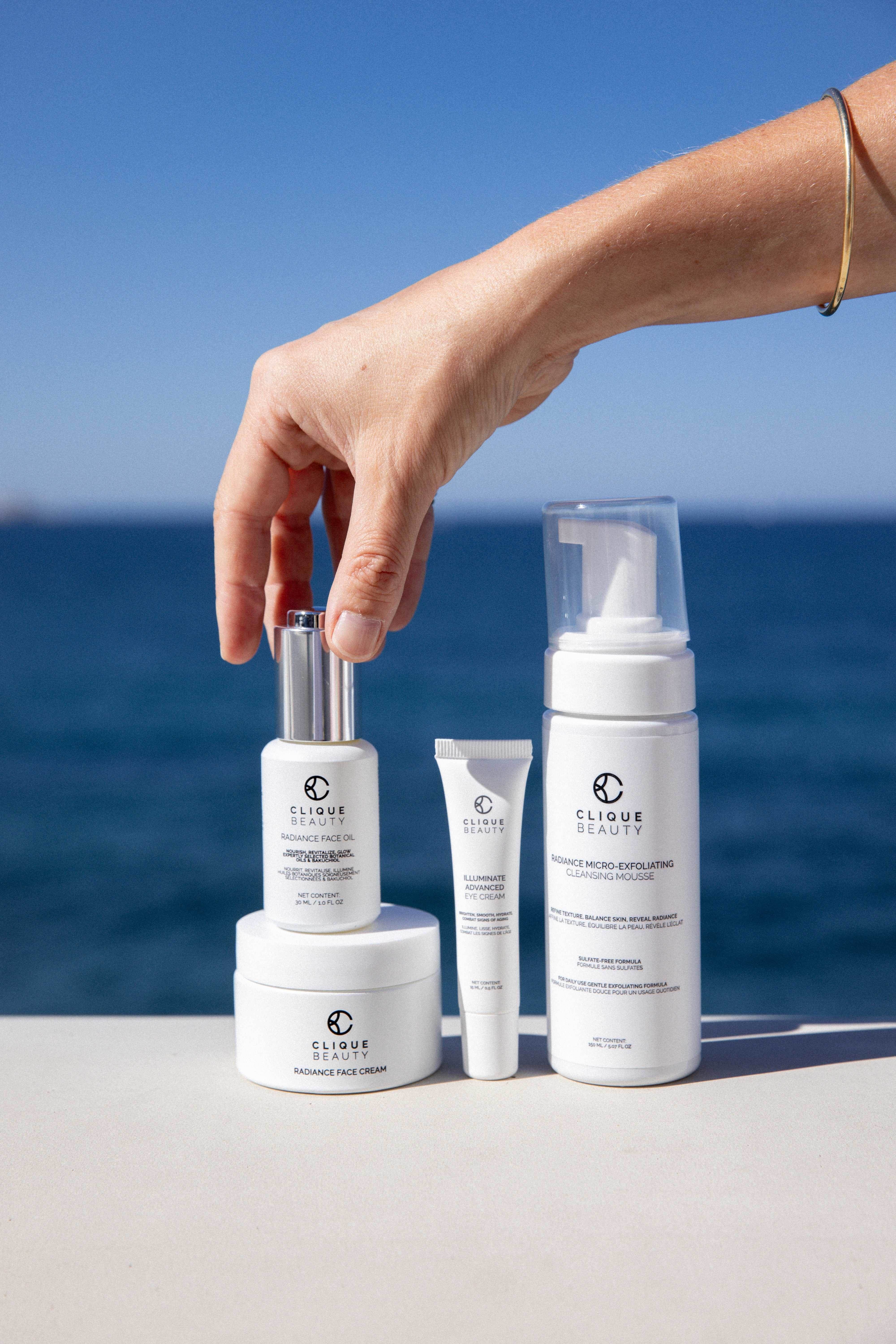
The full range is four formulas, one per step, and it is deliberately not longer than that. The French Ritual Set is the whole routine in one place if you would rather not assemble it piece by piece.
Formulated in France, Shaped in the USA: the standards are European, the routine was built around how our customers here actually use it.
FAQ
How many skincare steps do I actually need?
Four covers most skin: cleanse, treat if needed, moisturize, protect with SPF in the morning. Adding more raises the chance of irritation faster than it raises results.
Is French skincare gentle because it avoids active ingredients?
No. It uses actives at levels skin tolerates, in formulas designed to buffer them, and relies on daily use rather than intensive cycles to get there.
How long should I stick with a routine before judging it?
Give it enough consistent use to see a pattern rather than a reaction, and change one thing at a time. Swapping several products at once makes the result impossible to read.


Comments