

Mother's Day Skincare Gift: How to Choose One She'll Use
In short: The hard part of gifting skincare is that you are choosing for a skin you cannot examine. The way around it is to stop guessing her skin type and choose for tolerance instead: few products, a clear order of use, textures most people find comfortable, and formulas that avoid the usual triggers. Get those right and the gift survives past the first week.
Why do so many skincare gifts go unused?
Skincare is not a scarf. It has to perform on her face, twice a day, and it costs her something to try: a week of her routine, and the risk that her skin reacts. That is a lot to ask of a recommendation from someone who has never seen her ingredient list.
Three things decide whether it becomes a favorite or an ornament. It has to suit her skin rather than yours. It has to be simple enough to slot into what she already does. And the texture has to feel good, because a formula she does not enjoy applying will not be applied twice.
What are the two mistakes buyers make?
The oversized set. Eight items, four of them serums, no clear order of use. Faced with that, most people pick one or two and quietly abandon the rest. Volume is not generosity; it is a decision the giver passed on to the recipient.
Trend over precision. Ingredients chosen because they are being talked about, at levels nobody discloses, in packaging built for a photograph. She opens it, tries it, and returns to what she was using.
How do you choose without knowing her skin type?
You choose for the widest safe zone. This is the table worth keeping, whoever you are buying for.
| What you know about her | What to choose |
|---|---|
| Nothing at all | A moisturizer or a complete short routine. Both suit the widest range of skin, and neither requires her to change what she does. |
| Her skin reacts easily | Check for denatured alcohol and essential oils high on the ingredient list, and skip anything exfoliating. |
| She says her skin is dry | Something with lipids as well as humectants — shea butter, jojoba, squalane, not hyaluronic acid alone. |
| She already has a full routine | Upgrade one step she owns rather than adding a new one. The eye area is usually the gap. |
| She has never used oils | A dry-touch oil that absorbs fast. Texture is the whole objection, and it disappears with the right one. |
| She is loyal to what she uses | Do not replace her moisturizer. Give a cleanser or an eye product, where loyalty runs weaker. |
What should you actually look for on the box?
- A short list of products with an order of use. Beyond four or five steps, people stop following the instructions and start improvising.
- Actives you can name. Niacinamide, stabilized vitamin C, low-dose AHAs, bakuchiol. Named ingredients at sensible levels beat a longer list of unnamed extracts.
- Textures described honestly. Dry-touch, non-greasy, rinses clean. If the packaging only talks about the feeling and never the finish, assume the finish is the problem.
- Sulfate-free cleansing. The cleanser is where most gifts fail, because a stripping formula makes everything after it feel wrong.
- Measured results rather than promises. A number from instrumental testing tells you more than an adjective. Our guide to choosing a hydrating face cream goes through how to read those.
Is a set better than a single product?
A set works when the products belong to one routine and the order is obvious. It fails when it is a sampler of unrelated items, because then the recipient has to build the routine herself, and she did not ask to.
A single well-chosen product is the safer gift if she already has a routine she likes. The eye area is the most common blank space, and whether that step is genuinely necessary is a fair question — we answer it honestly in is eye cream really necessary. If she has no routine to speak of, a complete short one is more useful than any single item, for the reasons in minimal skincare.
How we approach this at Clique Beauty
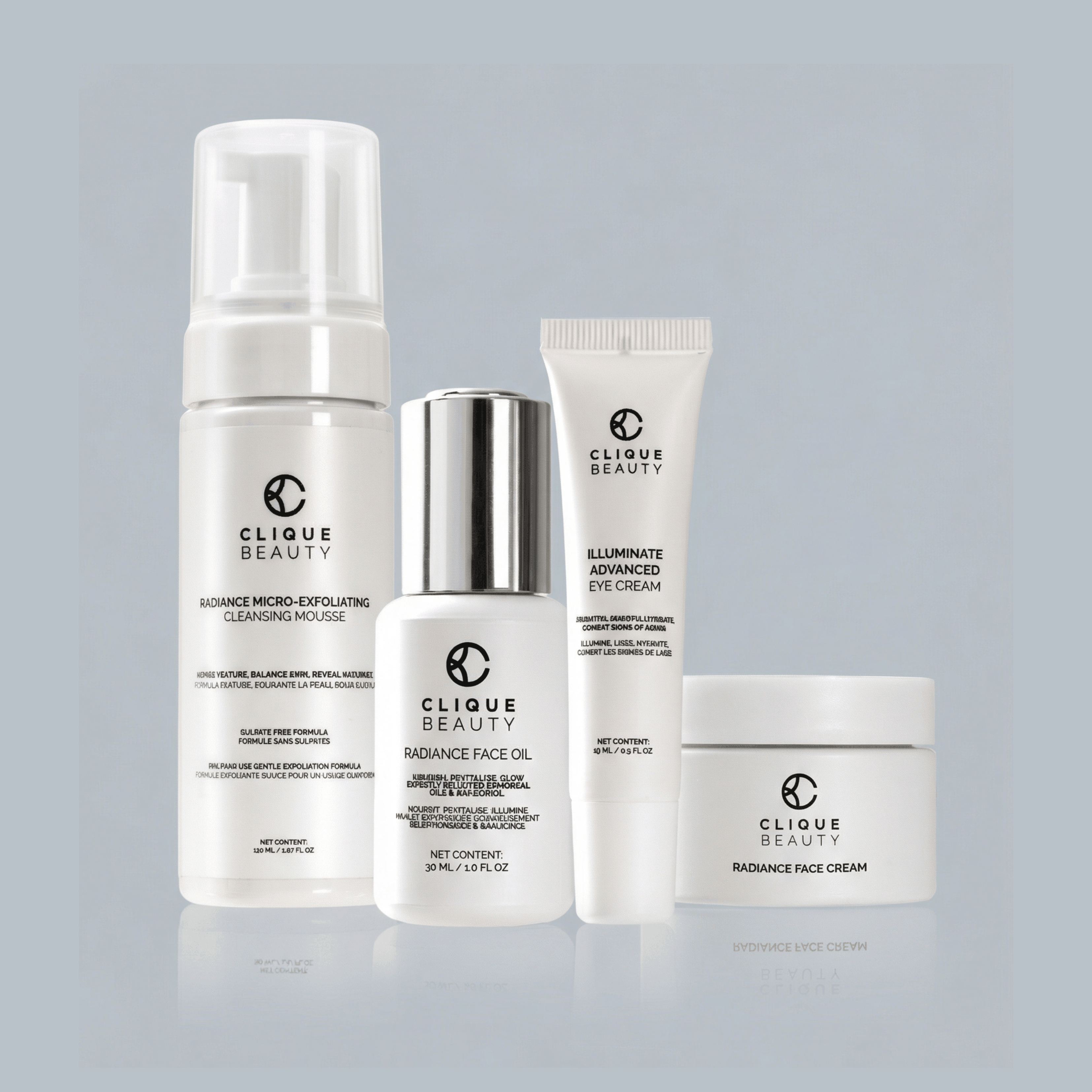
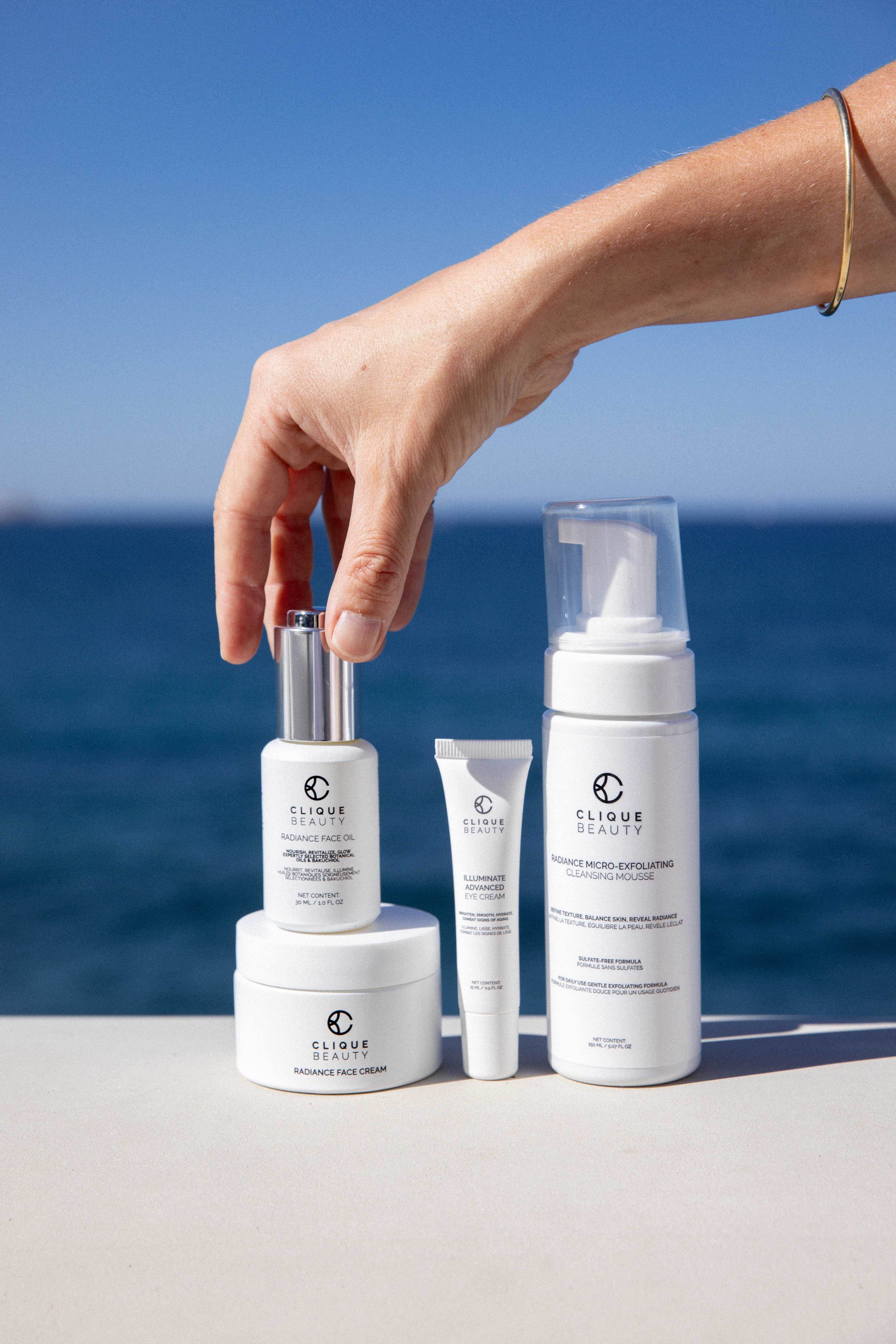
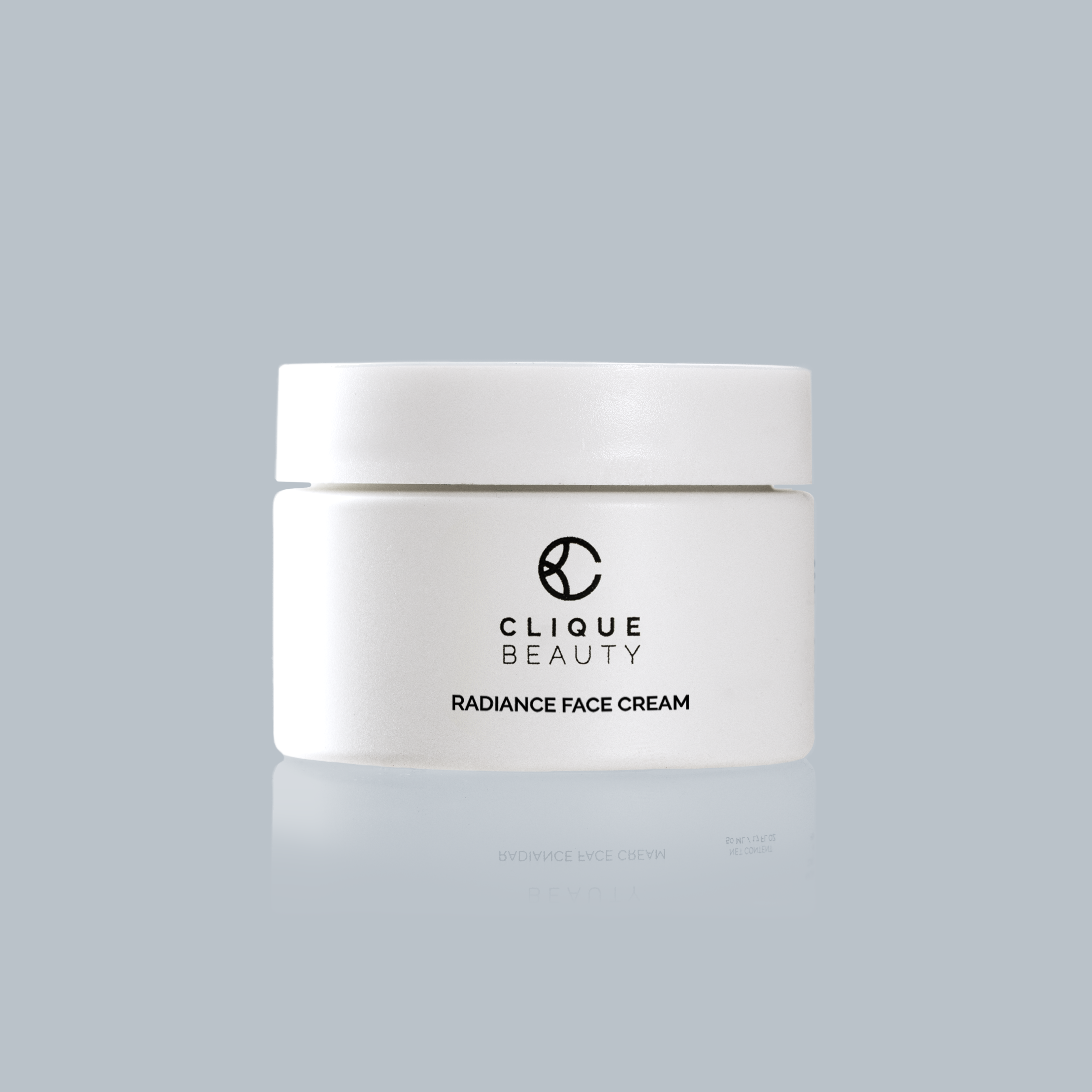
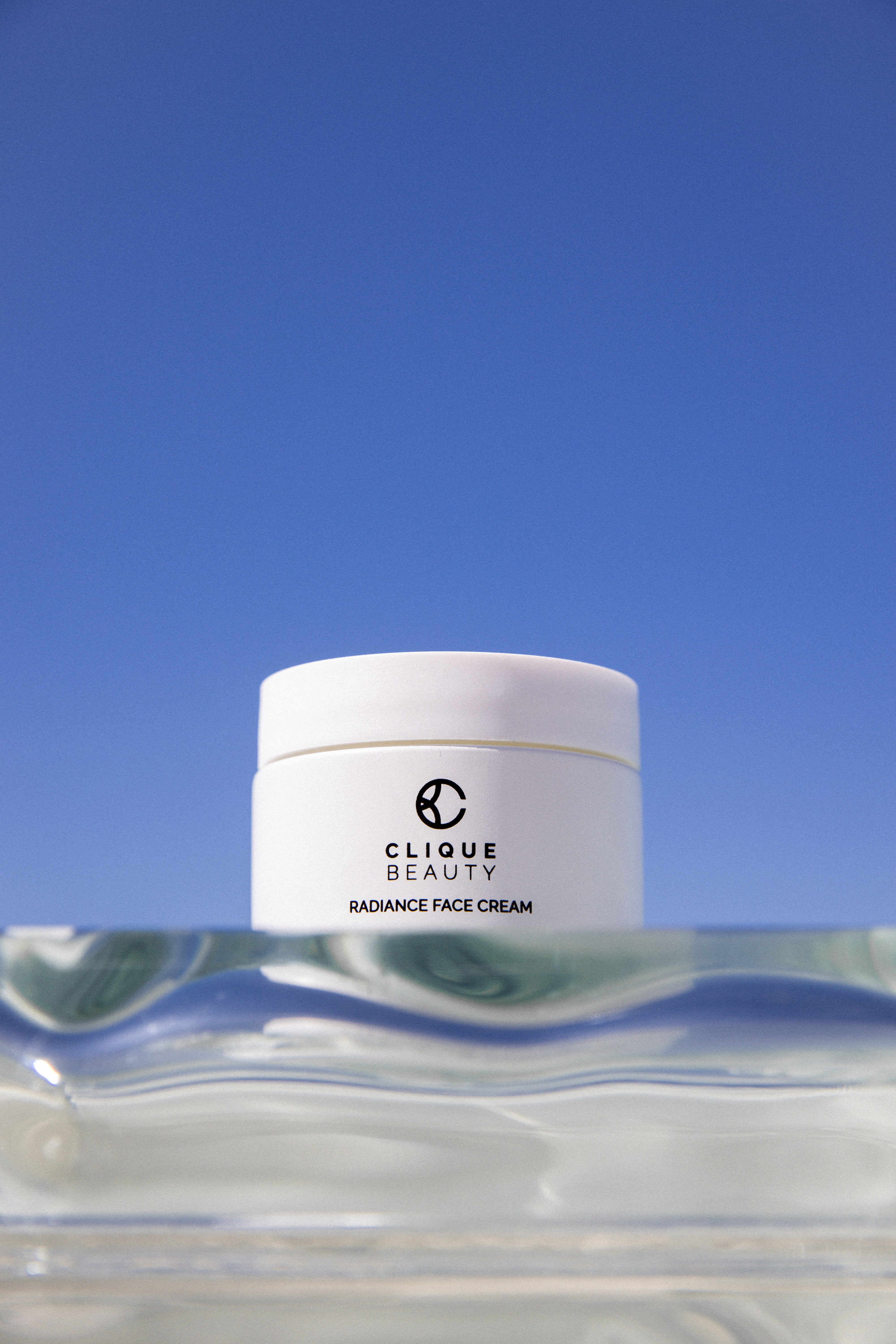
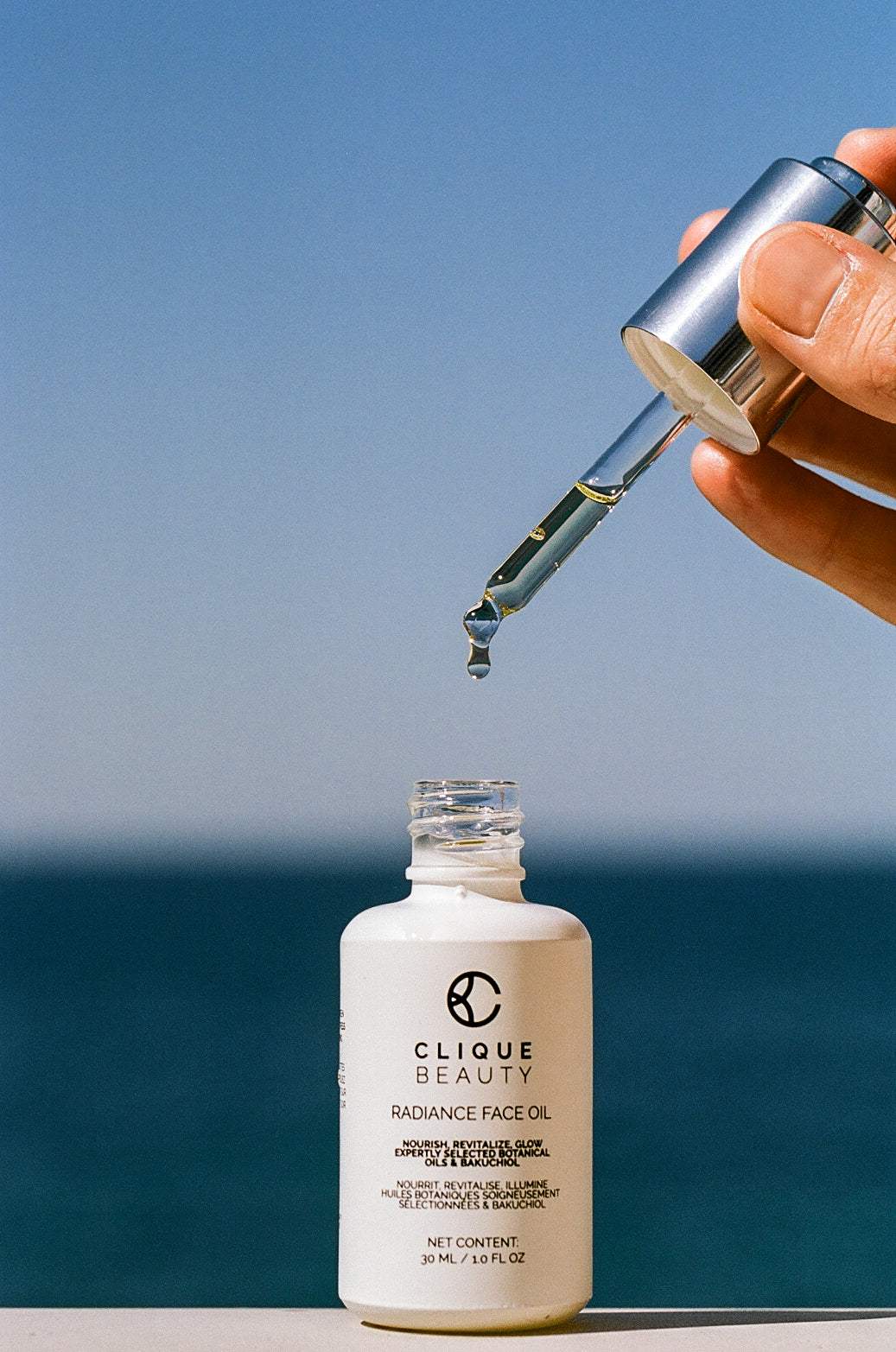
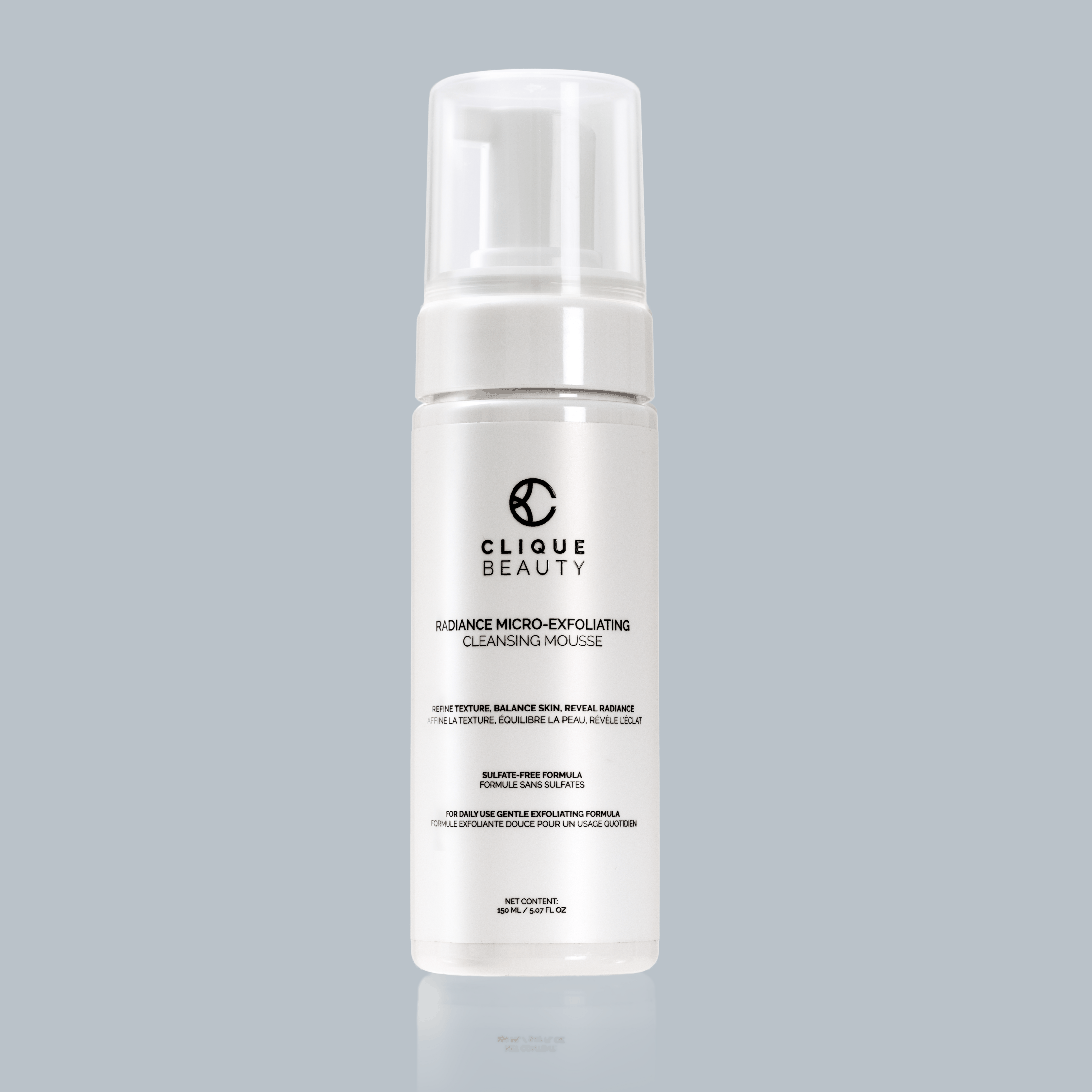
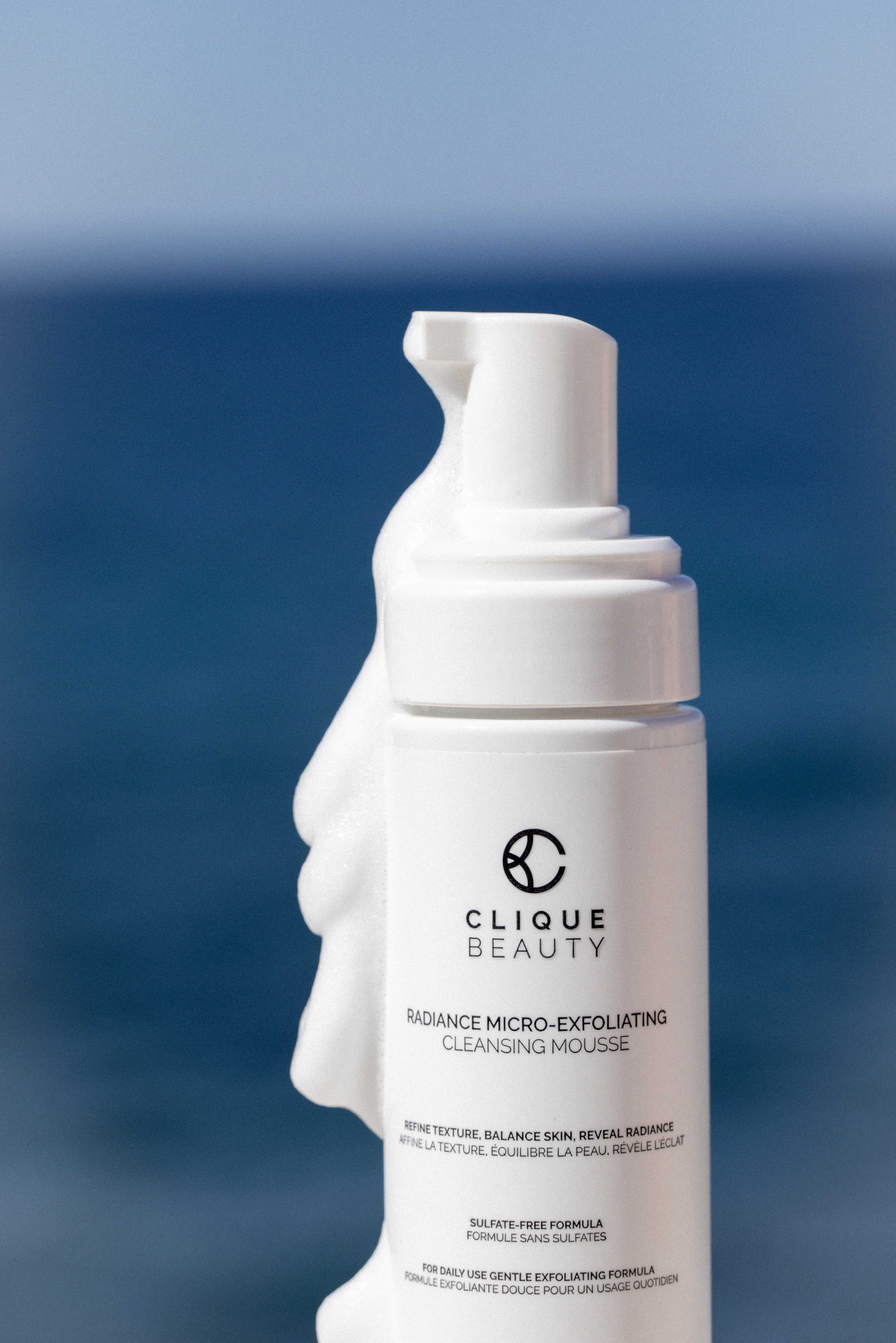
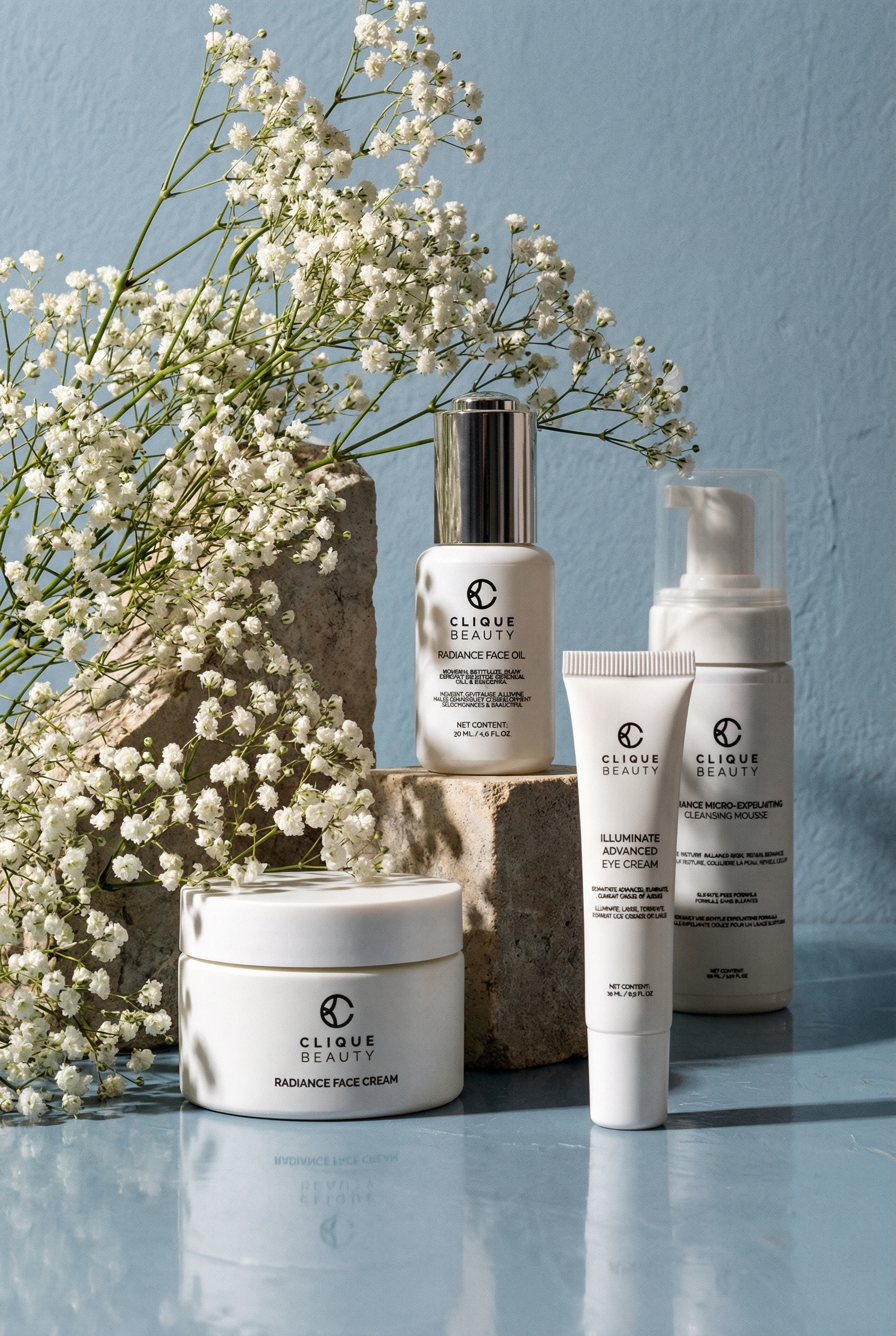
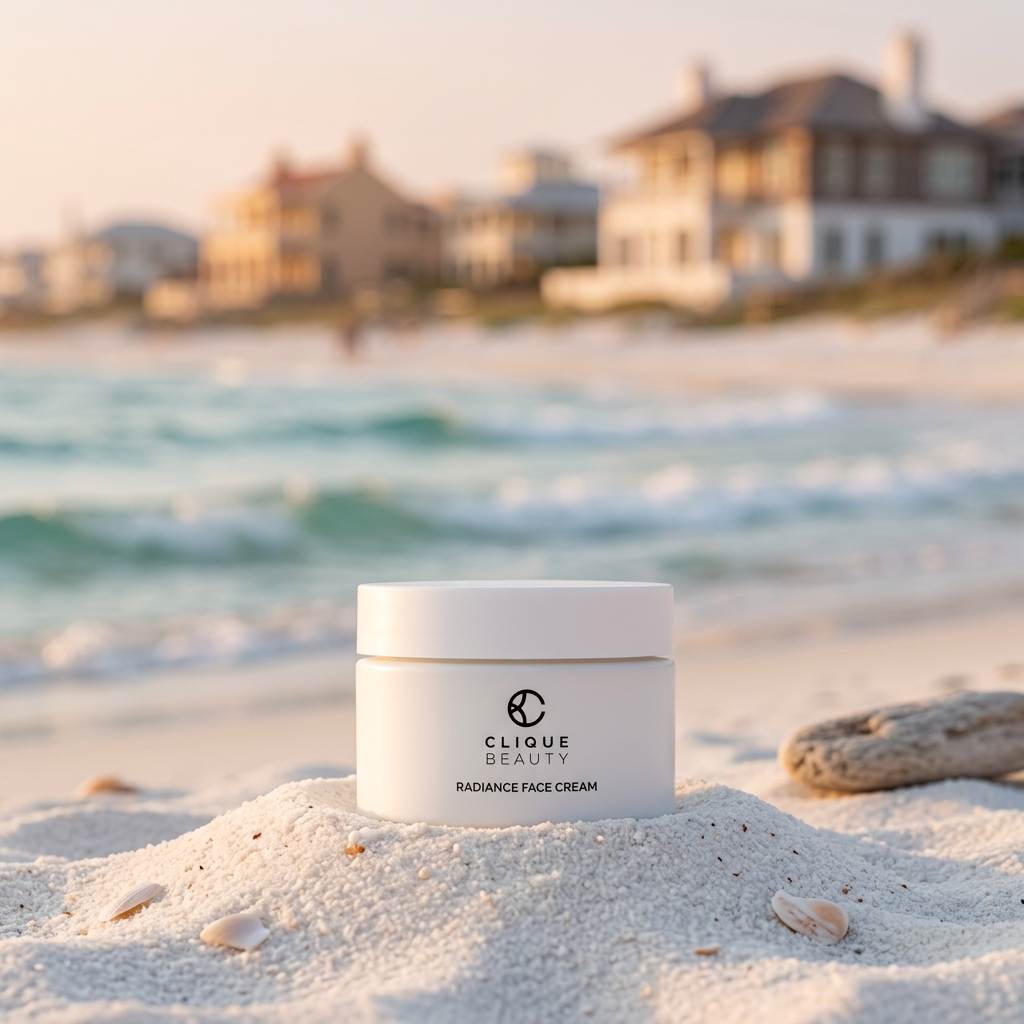
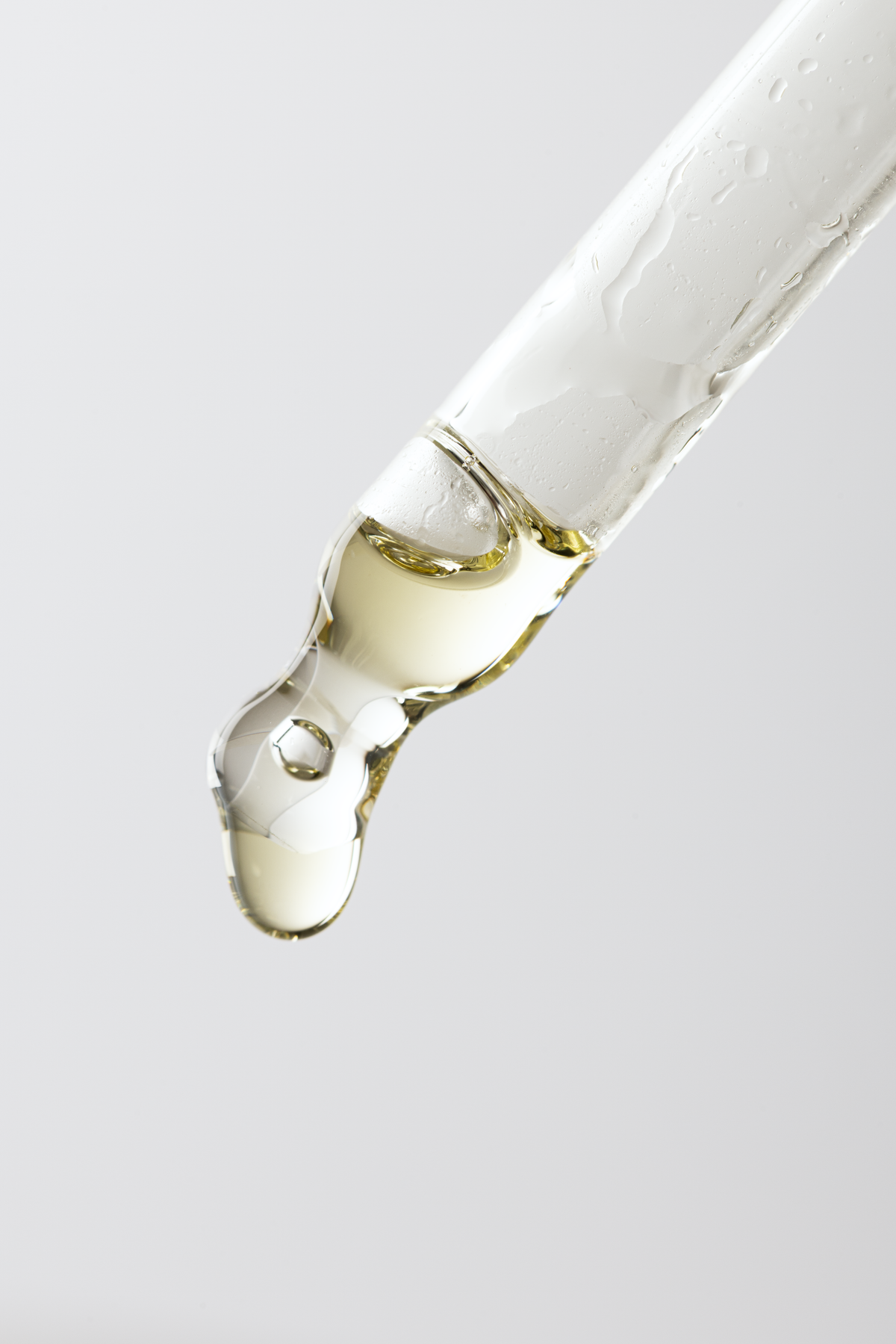
The French Ritual Set is our answer to this exact problem: four formulas, one per step, $256, dermatologist tested. The cleansing mousse is sulfate-free and uses a low-dose triple AHA complex instead of grains. The face oil is bakuchiol-led across thirteen botanical oils and finishes dry-touch, which is what makes it workable for someone who has always refused oils. The face cream carries stabilized vitamin C as ascorbyl glucoside, niacinamide and sodium hyaluronate over a base of organic shea butter, organic jojoba and squalane; it measured a +42% increase in hydration in clinical testing.*
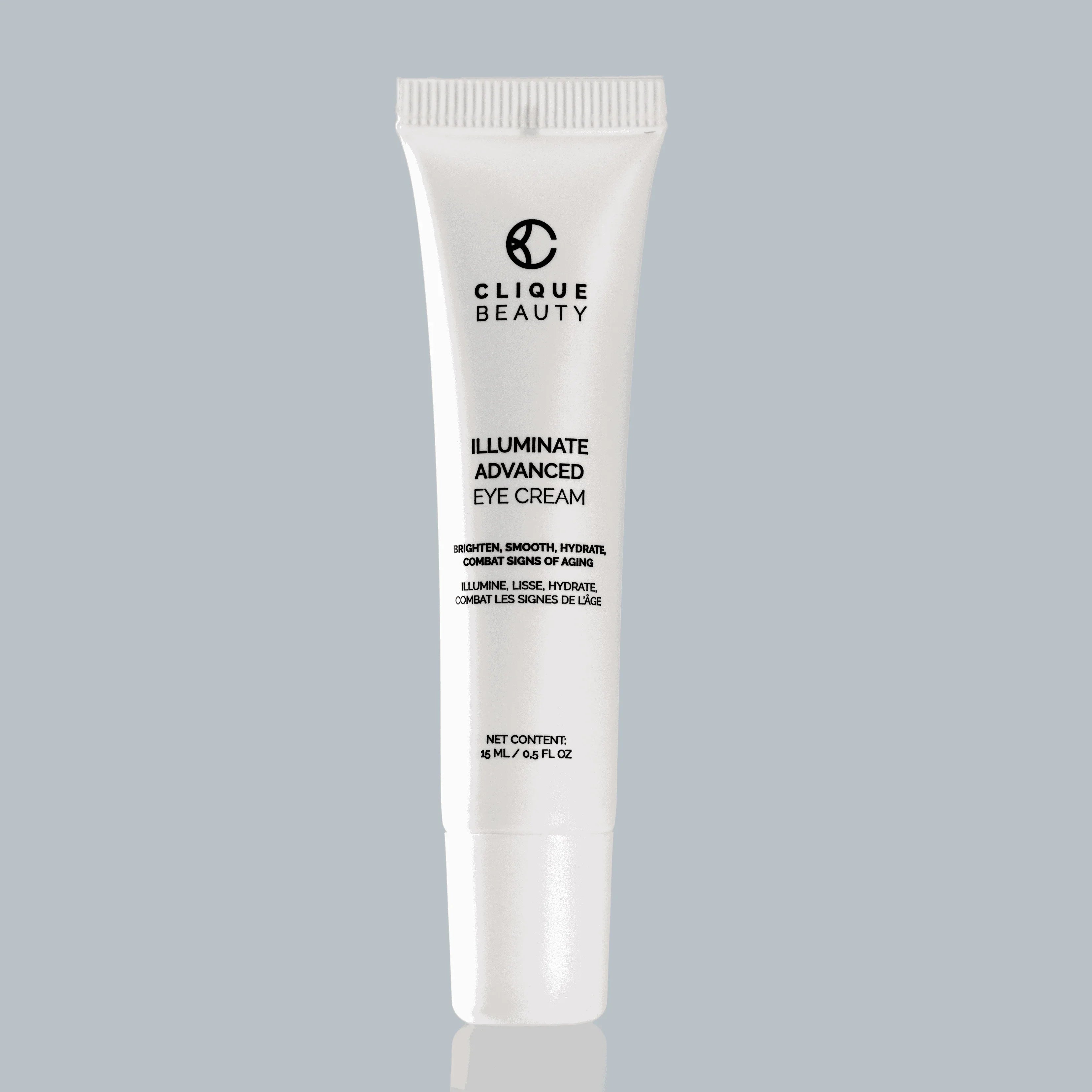
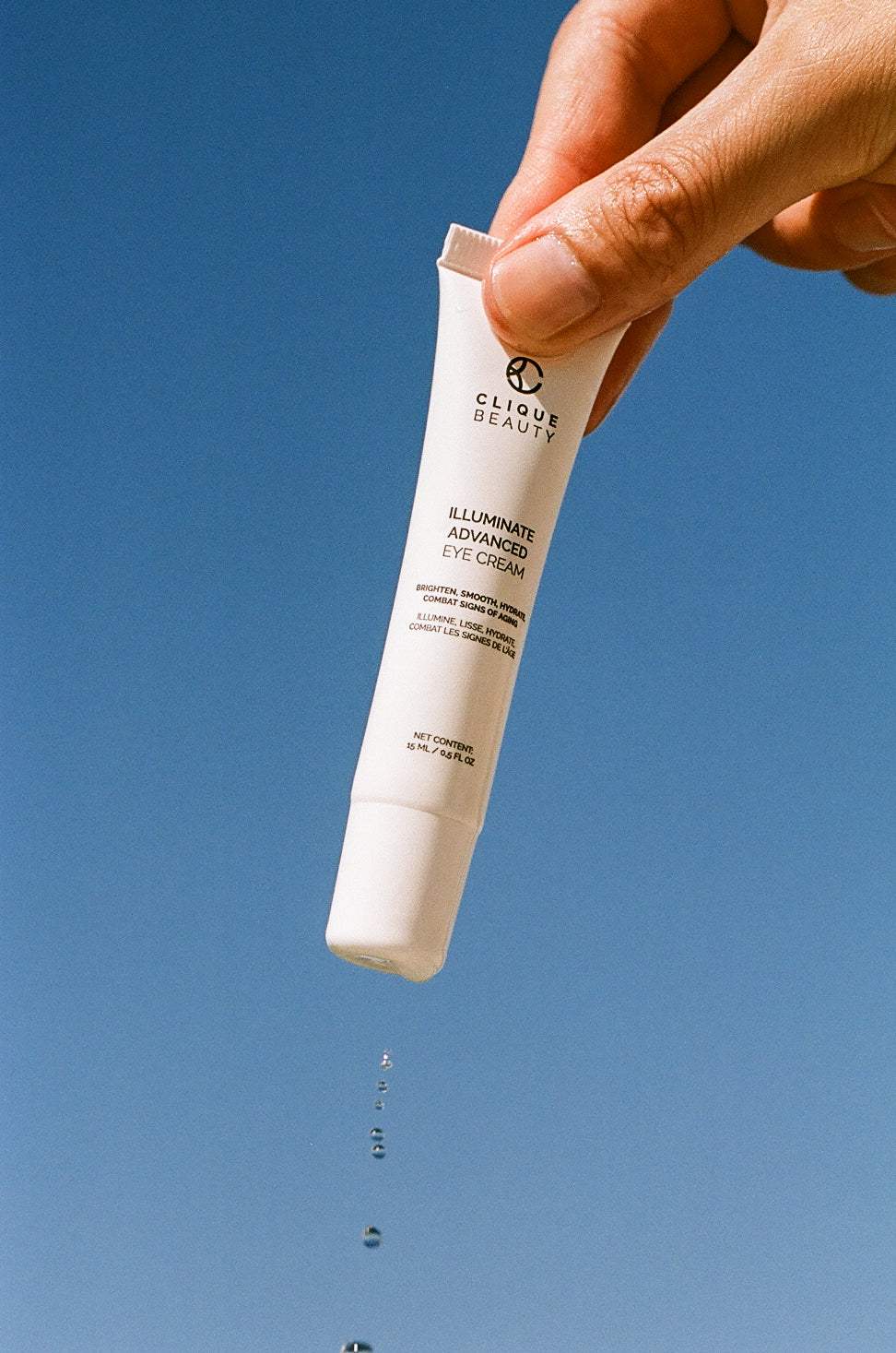
The mousse, the cream and the oil are scented, and that is part of the gift rather than a footnote to it. France is the country of perfumery, and the pleasure of a formula that smells considered is the reason a routine survives past the first week — which is the whole problem this article opened with. The Illuminate Advanced Eye Cream is the one formulated without fragrance, for a targeted reason: the eye contour is the area that reacts first, so we leave it out there. It carries caffeine at 1% and niacinamide at 5%, and measured a +37% increase in hydration in clinical testing.* It is also the strongest single gift for someone already loyal to her moisturizer.
Formulated in France, Shaped in the USA. The set is packed the way it is because a gift that arrives with a clear order of use is a gift that gets used.
FAQ
What skincare gift is safe if I do not know her skin type?
A moisturizer, or a short complete routine with a clear order of use. Avoid strong exfoliants, retinol and anything targeting a specific concern you are guessing at.
Is a skincare set a good gift?
Yes, when the products form one routine and the order is obvious. A box of unrelated items usually leaves the recipient to figure it out, and most do not.
What skincare should I avoid giving?
High-strength acids, retinol, and anything sold on a dramatic claim. Also avoid replacing a moisturizer she is loyal to — give the cleanser or the eye step instead.
*Clinically measured increase in skin hydration. Individual results vary.

Comments