

How to Fade Dark Spots: What Actually Works on Hyperpigmentation

In short: The look of dark spots improves with gentle, consistent care rather than aggressive treatment. The ingredients with real evidence behind them are stabilized vitamin C, niacinamide and bakuchiol, used steadily on a barrier that tolerates them. Daily broad-spectrum SPF is the part with no substitute — without it, UV re-darkens pigment faster than any active can work on it.
What kind of dark spot are you dealing with?
Three kinds of facial hyperpigmentation look similar and behave differently. Knowing which one you have changes what is realistic.
| Type | What causes it | How it tends to respond |
|---|---|---|
| Sun spots | Cumulative UV exposure, usually on cheekbones, forehead and hands | Responds gradually to consistent topical care and strict sun protection |
| Post-inflammatory hyperpigmentation (PIH) | The mark left by a breakout, a scratch or any skin trauma | Generally the most responsive of the three, since the pigment is recent and superficial |
| Melasma | Hormonal triggers — pregnancy, contraceptives, stress — in diffuse patches | The most stubborn. Topical care helps, and it is the one worth raising with a dermatologist |
Why most dark spot products disappoint
The category promises correction and mostly delivers frustration. Three patterns explain nearly all of it.
- Concentrations that provoke the skin. High-dose L-ascorbic acid, strong retinols and stacked acids irritate the barrier, and inflammation is itself a cause of pigmentation. Products intended to fade a mark can end up deepening the look of it.
- Use that comes and goes. Pigmentation only responds to steady application. A formula used occasionally, abandoned after a flare and restarted later never accumulates any effect.
- No sun protection. This is the single most common reason spots persist. Every unprotected UV exposure stimulates melanin in exactly the areas you are trying to even out.
There is a fourth, quieter reason: expecting removal. Topical skincare works on the appearance of pigmentation — spots look lighter, tone looks more even — and honest formulation stops there.
Which ingredients have evidence behind them
Three families are worth building a routine around. They work better together than alone, because they act at different points in the pigment pathway.
- Stabilized vitamin C (ascorbyl glucoside). A derivative that converts to ascorbic acid in the skin without the instability and sting of L-ascorbic acid. It acts on tyrosinase, the enzyme upstream of melanin production, and doubles as daily antioxidant defense. The comparison between forms is set out in ascorbyl glucoside vs vitamin C.
- Niacinamide. A form of vitamin B3 that reduces the transfer of pigment from melanocytes to surface skin cells, and supports the barrier at the same time — which is what makes the rest of the routine tolerable. More in what niacinamide actually does.
- Bakuchiol. A plant-derived alternative to retinol that supports surface renewal without the photosensitivity, which matters when the whole strategy depends on daily sun exposure being managed. The full comparison is in bakuchiol vs retinol.
- Gentle exfoliation, in moderation. Clearing surface cells helps tone look more even, but over-exfoliation causes inflammation, and inflammation causes pigment. Mild and regular beats strong and occasional.
Why SPF is the non-negotiable part
Everything above works on pigment that already exists. Sun protection is what stops new pigment forming and stops existing spots from re-darkening. Without it, a brightening routine is running against a process that is faster and stronger than it is.
We do not make an SPF, so there is nothing for us to sell you here — which is exactly why we can be blunt about it. Use a dedicated broad-spectrum sunscreen as the final step of your morning routine, in the full amount indicated, every day of the year, and reapply when you are outdoors. A moisturizer with SPF added is applied in moisturizer quantities and does not deliver the protection its rating suggests. If you are only willing to change one thing about your routine for pigmentation, change this one.
What to expect, honestly
Dark spots form over months or years, and topical care works on the same order of patience. Progress is sequential rather than sudden: skin becomes more comfortable first, tone starts to look more even next, and individual spots look lighter against that background last. Recent marks from breakouts generally shift before long-standing sun spots do, and melasma is the least predictable of all.
What no product can promise is erasure, a schedule, or the same outcome for two different people. Anything advertising a fixed number of days is describing a marketing plan, not a biological one. What you can rely on is that consistency and daily protection are the two variables you control, and they are also the two that matter most.
How we approach this at Clique Beauty
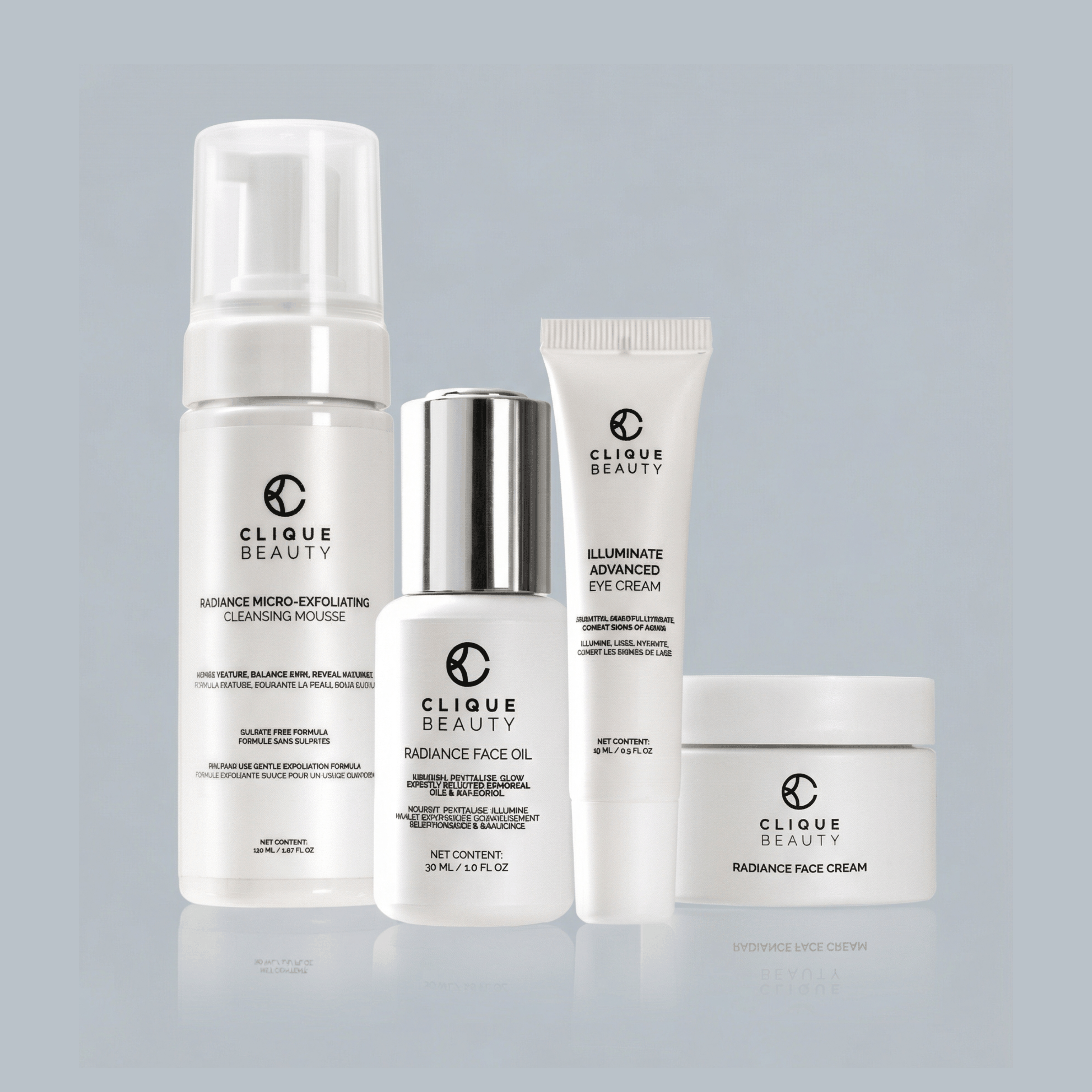
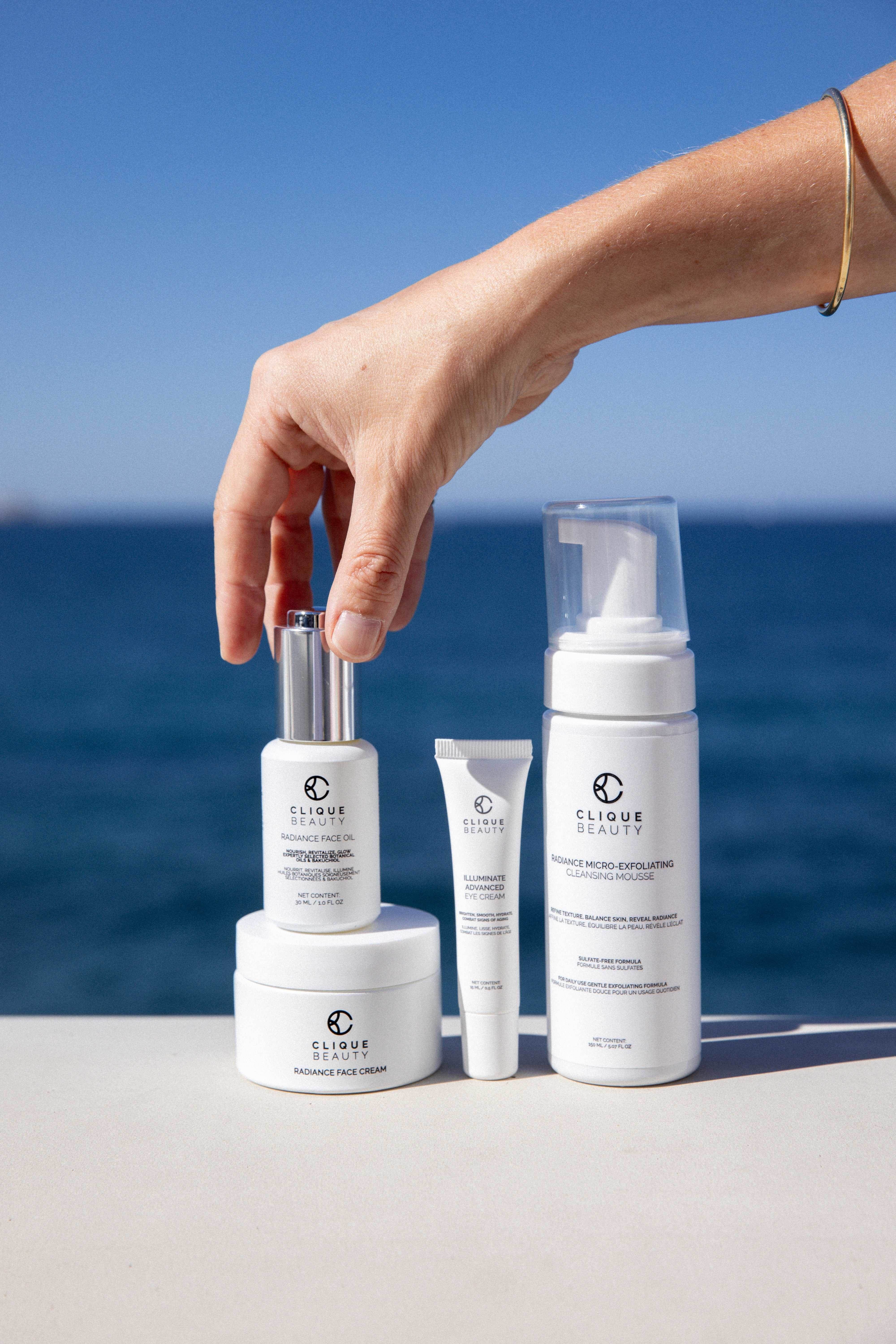
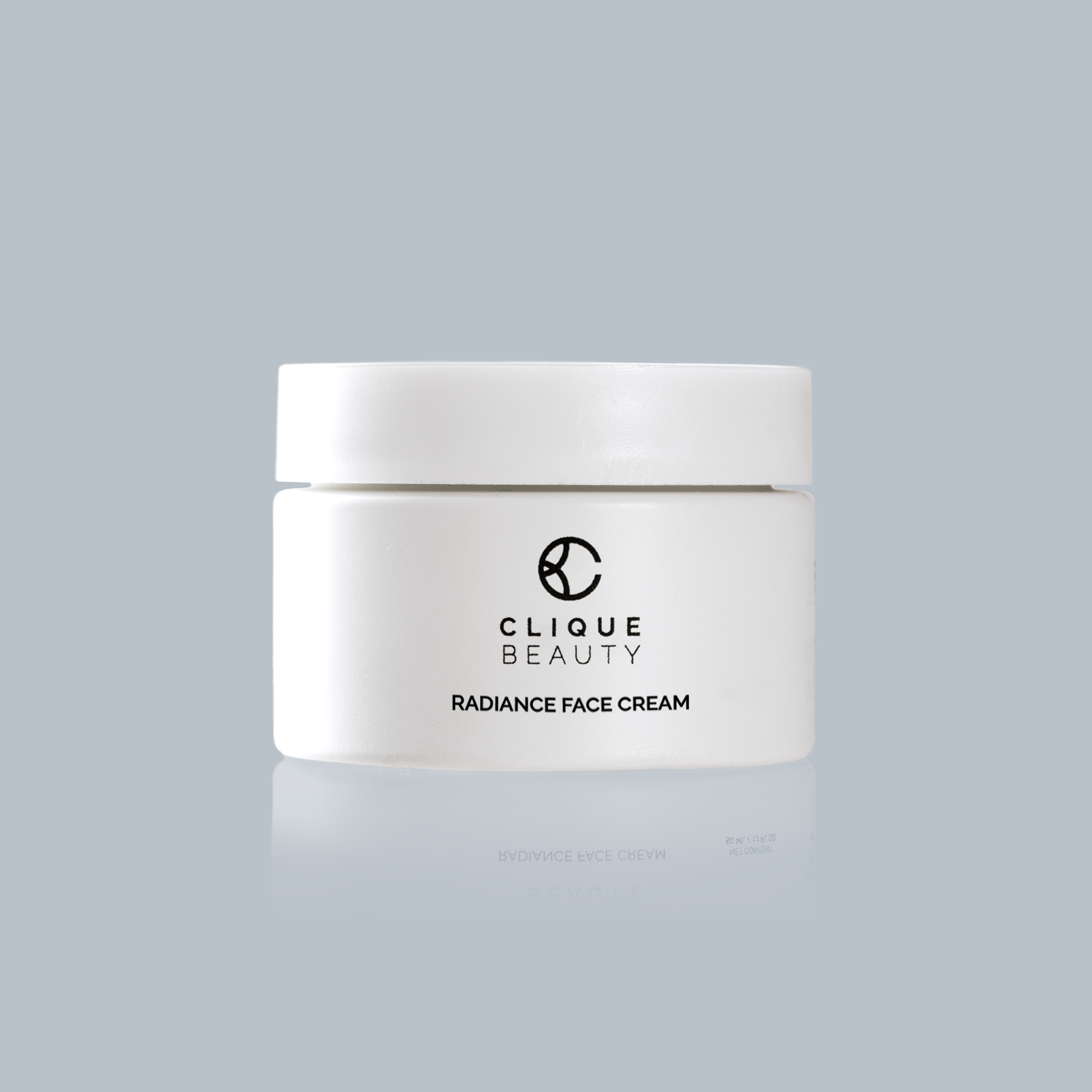
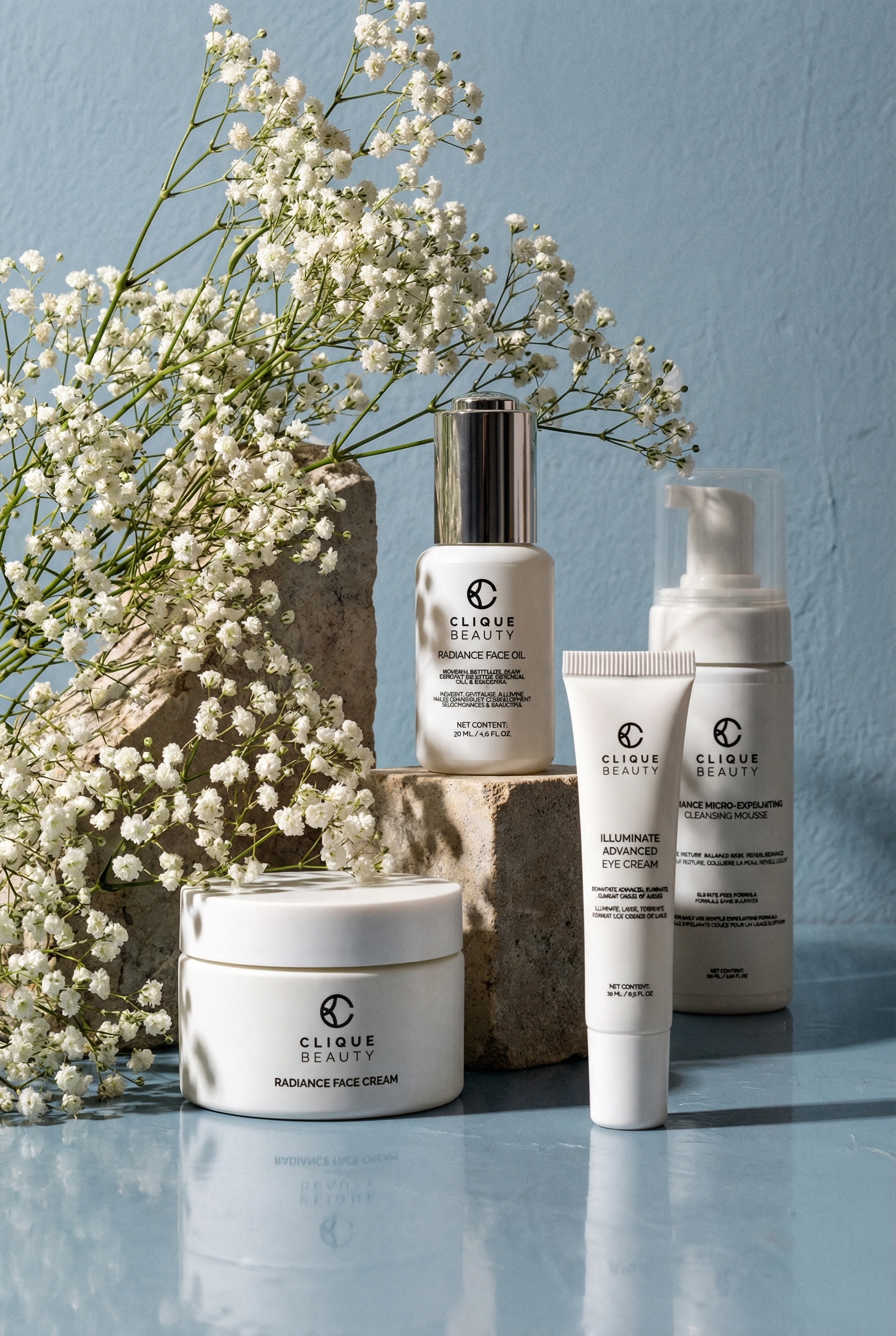
Our Radiance Face Cream is the daily part of this. It combines stabilized vitamin C (ascorbyl glucoside) with niacinamide, so both the production and the transfer of pigment are addressed in a single step, on a base of sodium hyaluronate, organic shea butter, organic jojoba and squalane that keeps the barrier comfortable enough to use it morning and evening. Seven alpine botanicals support the calming side of the formula. It measured a +42% increase in hydration in clinical testing.*
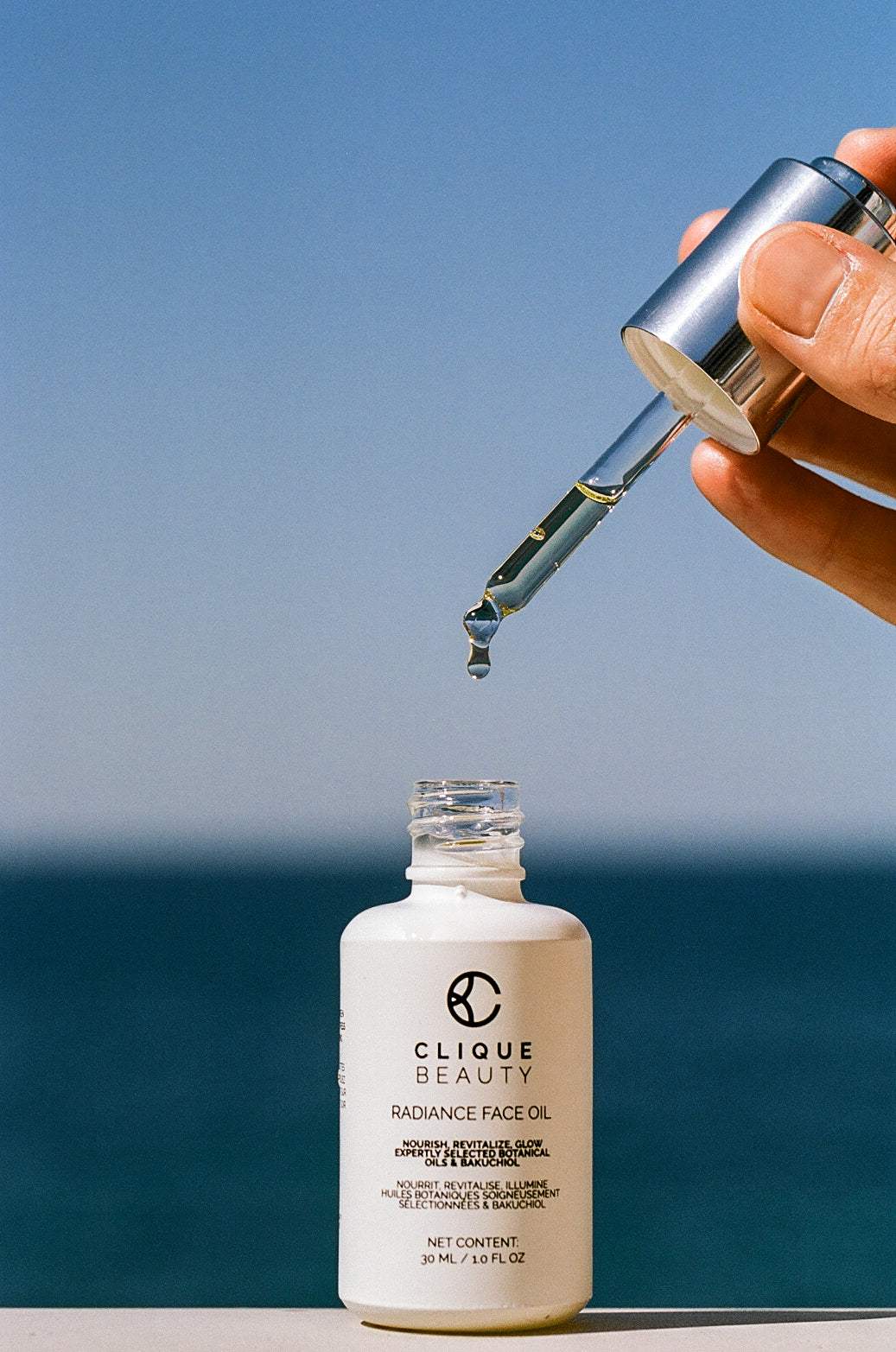
Our Radiance Face Oil is the evening reinforcement, built around bakuchiol with thirteen botanical oils and tocopherol, in a dry-touch finish that absorbs quickly. Used at night, it supports the surface renewal side without the photosensitivity that makes retinol difficult to pair with sun exposure.
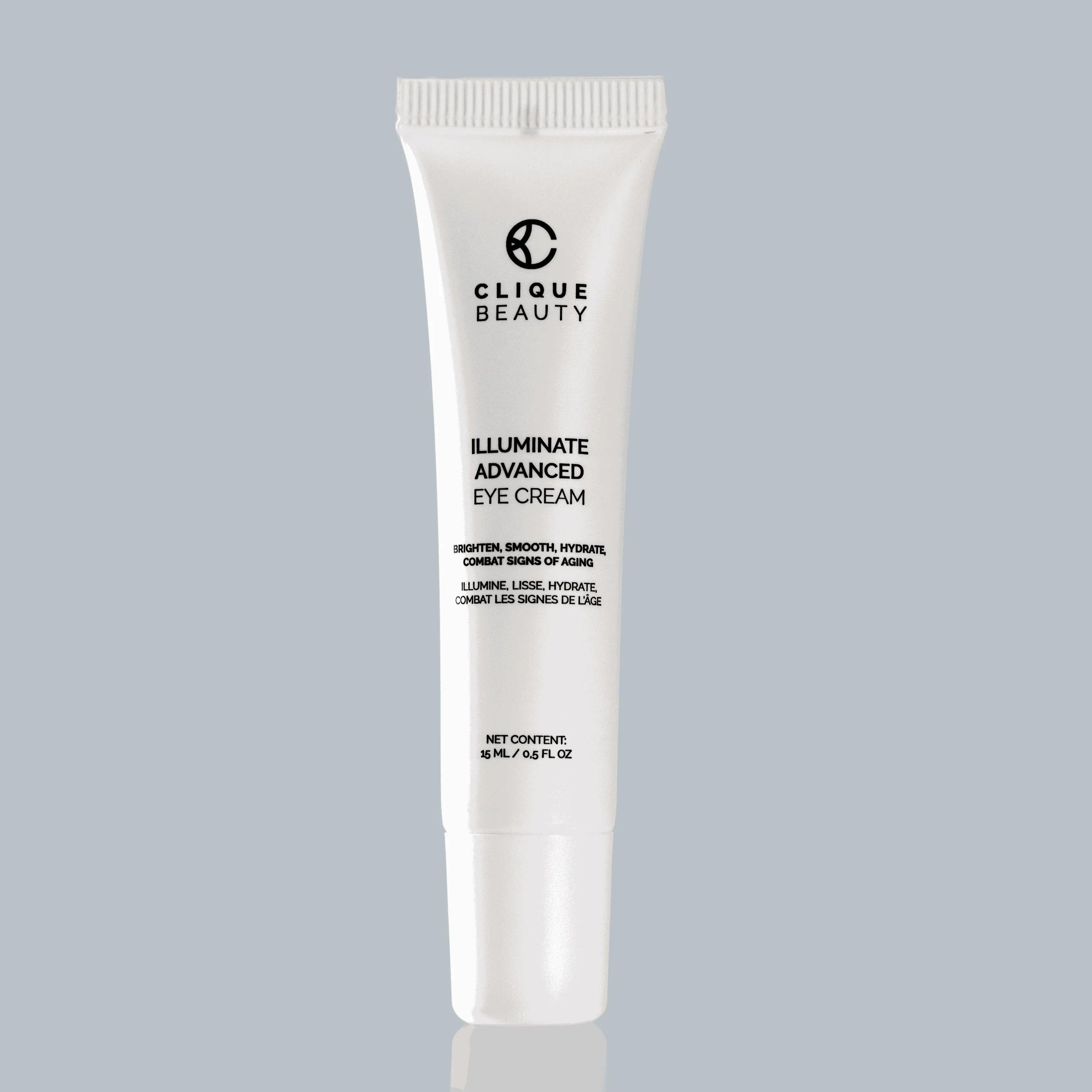
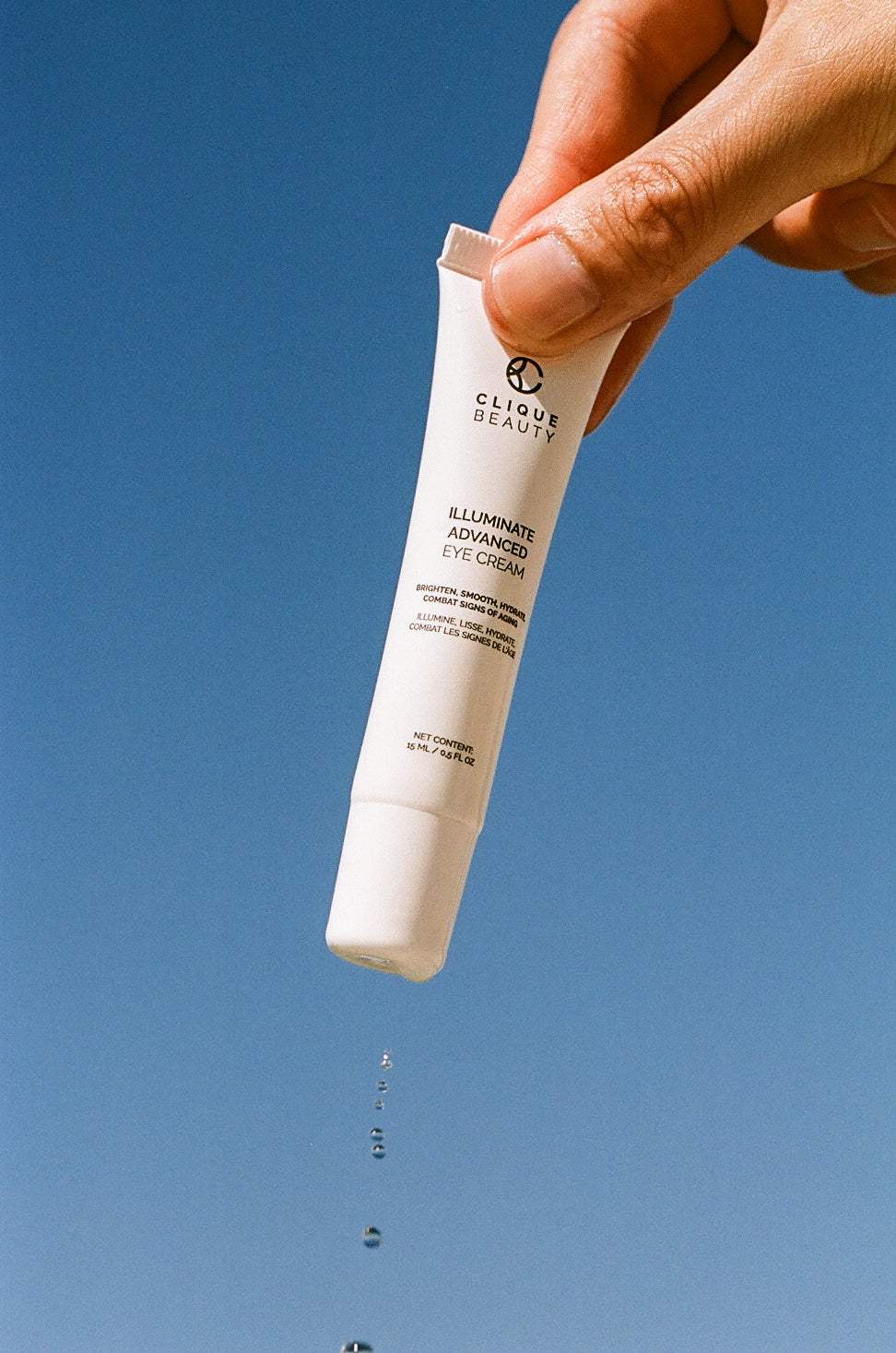
Both are formulated in France, and both are scented — deliberately. Pigmentation is the concern that punishes an on-and-off routine more than any other, and a texture and a scent you look forward to are what turn a protocol into a habit. The Illuminate Advanced Eye Cream, with niacinamide at 5%, is the exception: the eye contour is the first area to react to anything, so we formulate that one without fragrance.
FAQ
What actually fades dark spots on the face?
Stabilized vitamin C, niacinamide and bakuchiol, used consistently, alongside daily broad-spectrum SPF. The sun protection is what makes the rest of it work.
Does vitamin C help with hyperpigmentation?
Yes, by acting on tyrosinase, the enzyme behind melanin production. A stabilized form such as ascorbyl glucoside is better tolerated than high-dose L-ascorbic acid, which can irritate and make pigmentation look worse.
Why are my dark spots getting darker?
Usually unprotected sun exposure, or irritation from products that are too aggressive. Both stimulate melanin. Simplify the routine, calm the skin, and be strict about SPF.
*Clinically measured increase in skin hydration. Individual results vary.

Comments