

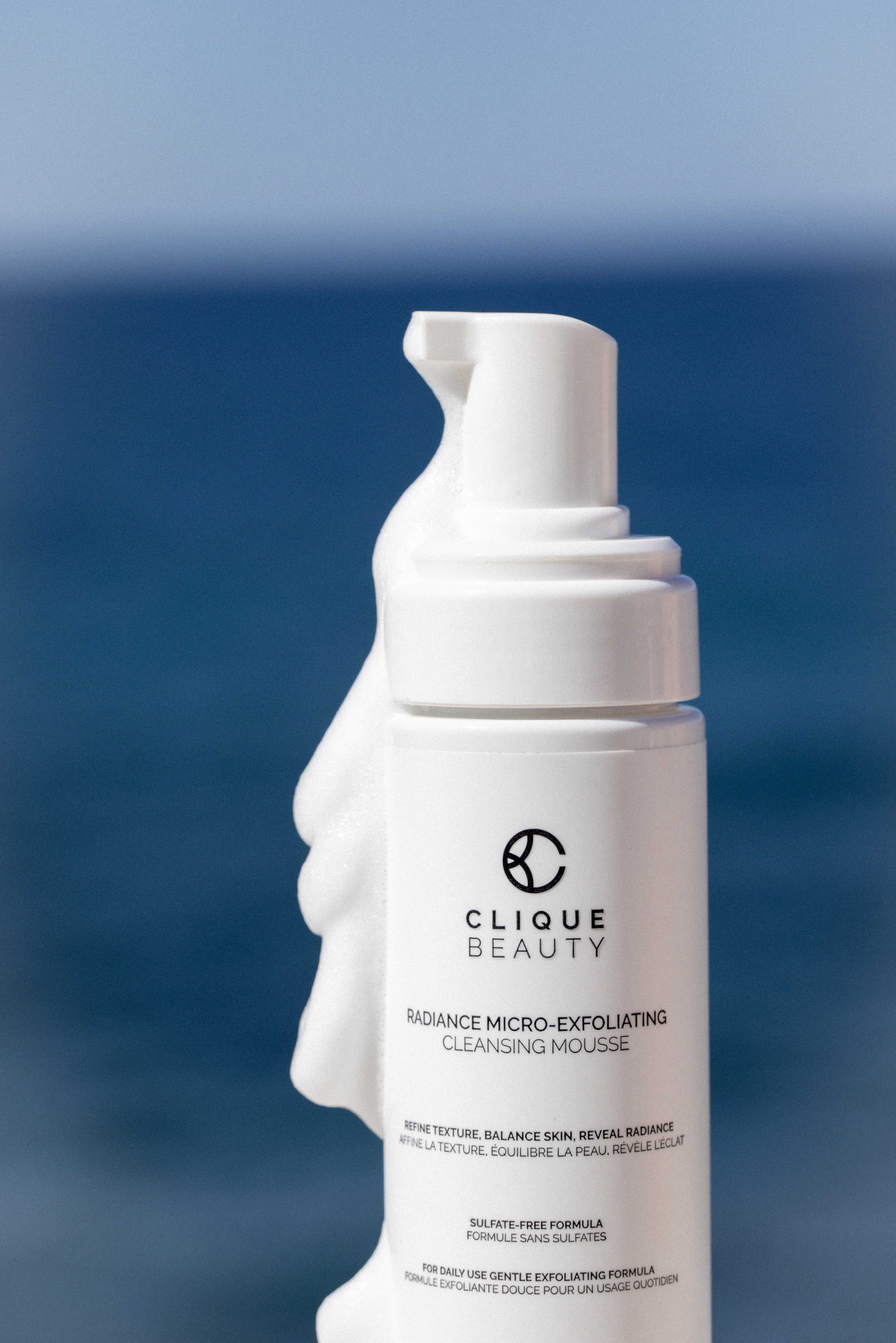
Skinimalism: The Trend, Explained (and How to Actually Do It)
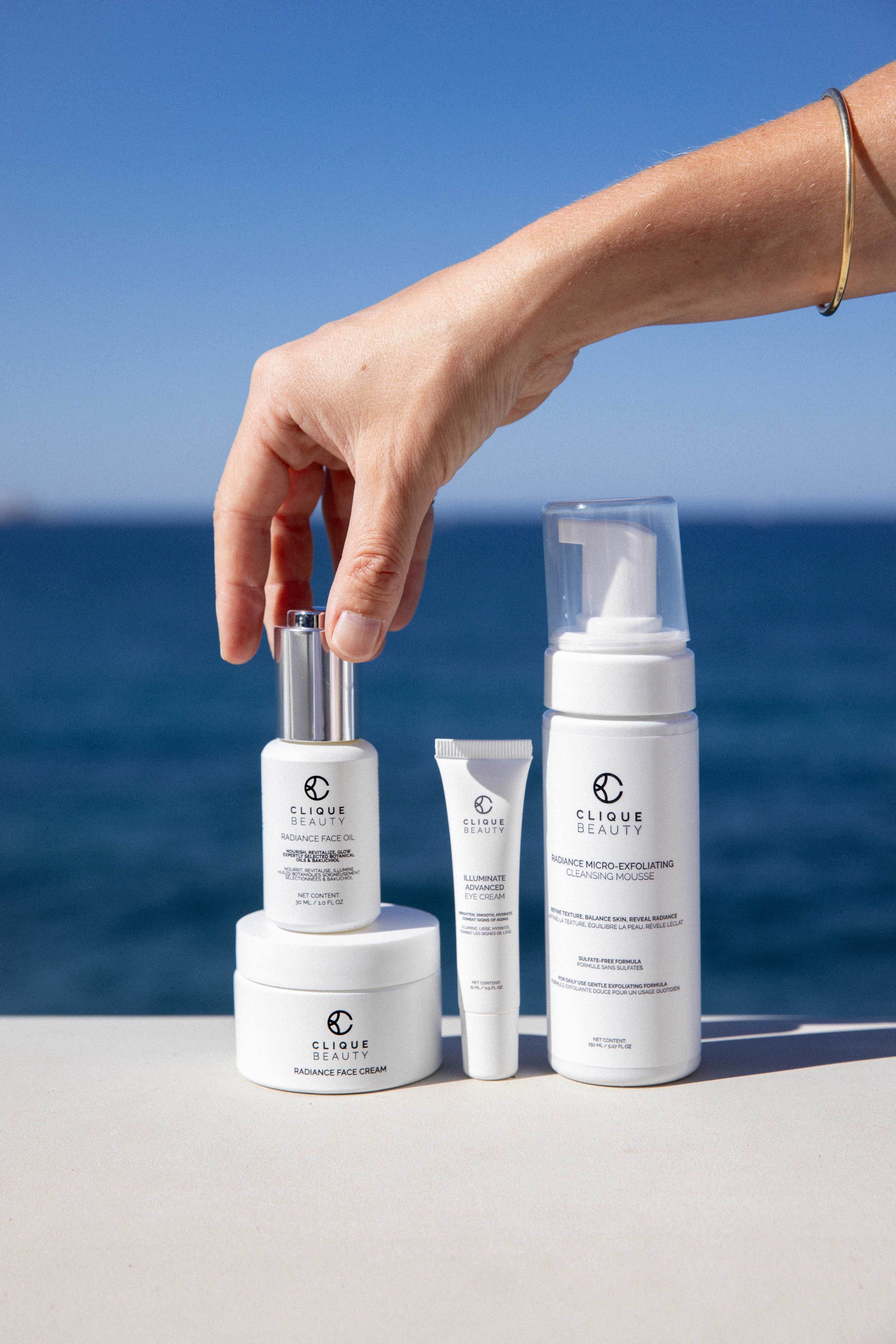
In short: Skinimalism is the move toward fewer, better skincare steps — a small number of effective products instead of a ten-step routine. The case for it is not aesthetic restraint. It is that overlapping actives are one of the most reliable ways to compromise a barrier, and that a routine you can actually repeat beats a routine you abandon.
What is skinimalism?
Skinimalism is a skincare approach built on restraint: a short routine of well-chosen, multitasking products rather than a long shelf of single-use ones. The name blends "skin" and "minimalism," and it is a reaction to the ten-step routines that left a lot of people with irritated, over-exfoliated skin.
It is worth being precise about what it is not. It is not using less product, and it is not skipping a step your skin needs. It is removing redundancy — two products doing the same job, or three doing jobs that work against each other. The number of bottles is the symptom. The thing being edited is overlap.
Why less can genuinely be more
Layering too many actives — acids, retinoids, vitamin C, exfoliants — is one of the most common causes of a compromised skin barrier. It is worth understanding the mechanism, because "it irritates your skin" is too vague to act on.
Three things go wrong at once. The barrier is a lipid structure, and surfactants and acids both remove lipids — stack several and they come away faster than skin rebuilds them. Actives also work within specific pH ranges, so applying them back to back means some of them are working in conditions they were not designed for. And then there is the problem that keeps people stuck: a crowded routine makes attribution impossible. When six products go on every evening and skin starts stinging, there is no way to tell which one is responsible, so the common response is to add something soothing rather than remove the cause.
A short routine solves that third problem immediately, which is what makes it diagnostic as well as gentler. If something reacts, you know what it was. The repair method itself is in how to strengthen your skin barrier.
This is also the philosophy behind French skincare, which has long favored a few quality essentials over a crowded shelf — covered in French skincare philosophy explained and why less can be more.
Before cutting anything, it helps to know what each step is actually for. A routine is a set of jobs, not a set of products, and one product can hold more than one job.
| Step | What it has to accomplish | What it can be combined with |
|---|---|---|
| Cleanse | Remove sunscreen, sebum and the day without stripping barrier lipids | Gentle exfoliation, if the cleanser is mild enough for daily use |
| Treat or hydrate | Deliver the actives you have actually chosen, at a level that does something | Usually folded into the moisturizer — this is where a multitasking formula earns its place |
| Oil step (optional) | Condition the surface with lipids, and add comfort on dry or depleted skin | Goes before the moisturizer when you use both; can stand in for a richer cream rather than adding to it |
| Moisturize | Hold water in and supply the lipids and humectants the barrier needs — the step that closes the routine | Niacinamide, a stabilized form of vitamin C, hyaluronic acid |
| Protect (day only) | Sun protection — the one step with no substitute | Nothing. This is not a job to fold into something else |
Read down the middle column and the arithmetic becomes obvious: a handful of jobs, several of which can share a single bottle. That is the whole of skinimalism.
1. Cover the essentials, not the extras
A complete routine needs those jobs done and nothing more. In practice that is cleanse, a multitasking moisturizer and sun protection in the morning; cleanse, a few drops of face oil if skin wants them, then your moisturizer at night. Everything beyond that is optional — and optional is not the same as useless, it is simply the first place to look when skin is unhappy.
Order matters more than the count. Water-based layers go before oil-based ones, sun protection goes last in the morning, and where a face oil sits depends on its texture rather than on a rule — the full sequence is in skincare routine order, morning and night.
2. Choose multitasking formulas
This is where a short routine is won or lost. A moisturizer that also carries niacinamide and a stabilized form of vitamin C does the hydrating step and the brightening step in one application, which removes a product without removing a benefit.
Whether those two belong together is a fair question, since they are often said to conflict. In the forms used in modern cosmetics they do not — we go through it in niacinamide and vitamin C, can you use them together, and what niacinamide does on its own is in what niacinamide actually does for your skin.
3. Introduce actives slowly
One active at a time, a few nights a week to begin with, so you can tell what is working and what is not. This is the discipline that makes the rest of the method possible: it protects the attribution you gained by shortening the routine in the first place.
Give a new product the routine to itself. Add two things in the same week and you have learned nothing about either.
4. Keep what works, cut the rest
Skinimalism is editing, not collecting — and editing needs a method, or it becomes guesswork with a nicer name.
- Name the job. For each product on the shelf, say which of the jobs above it does. Anything you cannot assign is the first candidate for removal.
- Find the duplicates. Two products doing the same job is the most common form of waste. Keep the one with the better texture, because that is the one you will keep reaching for.
- Remove one thing at a time. The same rule as adding. Cut one product, keep everything else identical, and watch what happens.
- Judge on comfort, not on hope. A product that stings, pills under sunscreen or sits greasy is failing, whatever its ingredient list promises.
- Protect the non-negotiables. Cleanser, moisturizer and sun protection stay. Everything else is open to negotiation.
- Stop when it is boring. A routine that feels unremarkable and takes almost no time is a routine that survives a bad week. That is the goal — not a shorter shelf for its own sake.
One caveat: if skin is already irritated, shorten the routine before you try to edit it. On a compromised barrier every product looks like the culprit, so nothing you remove will tell you much until the barrier is calm again.
How we approach this at Clique Beauty
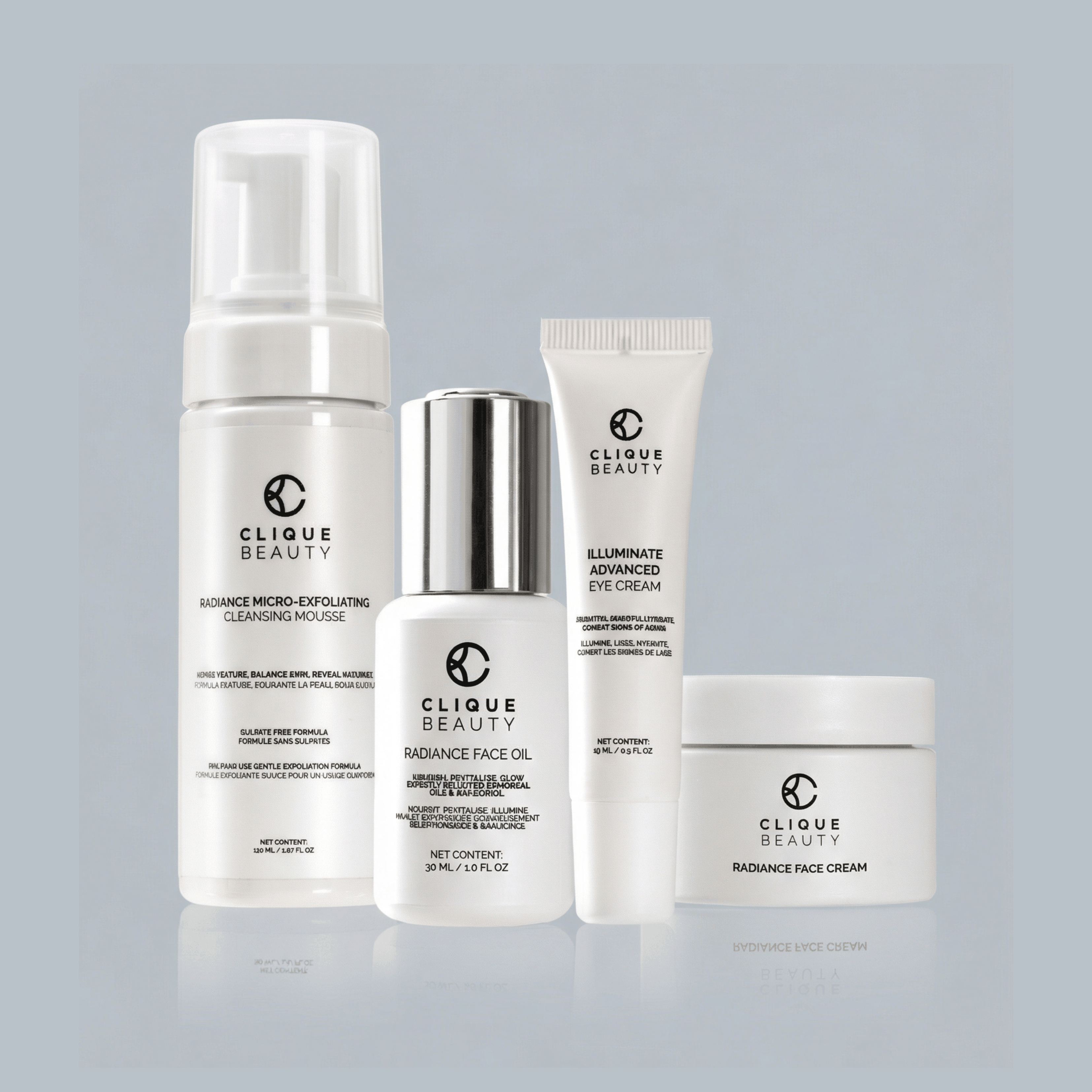
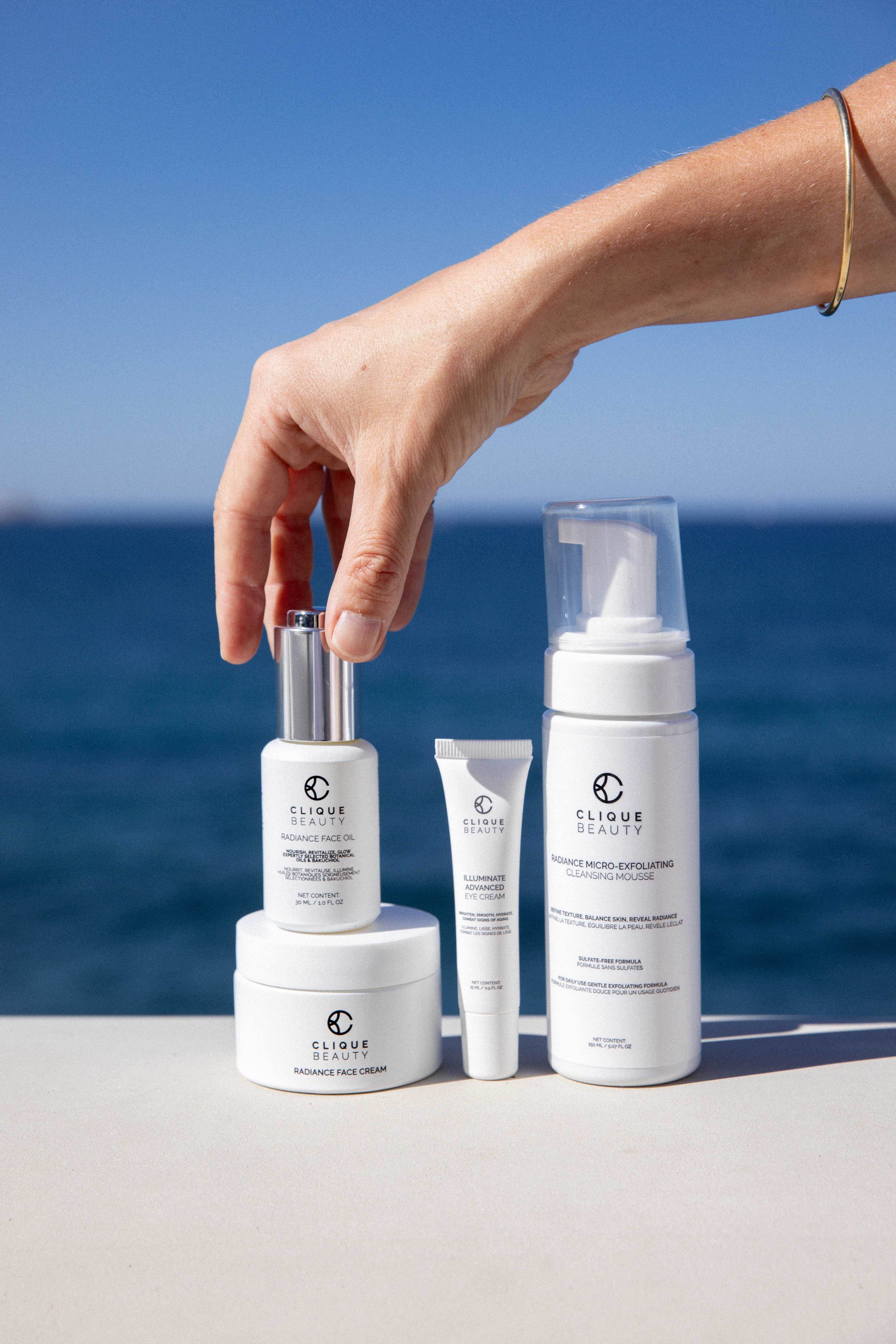
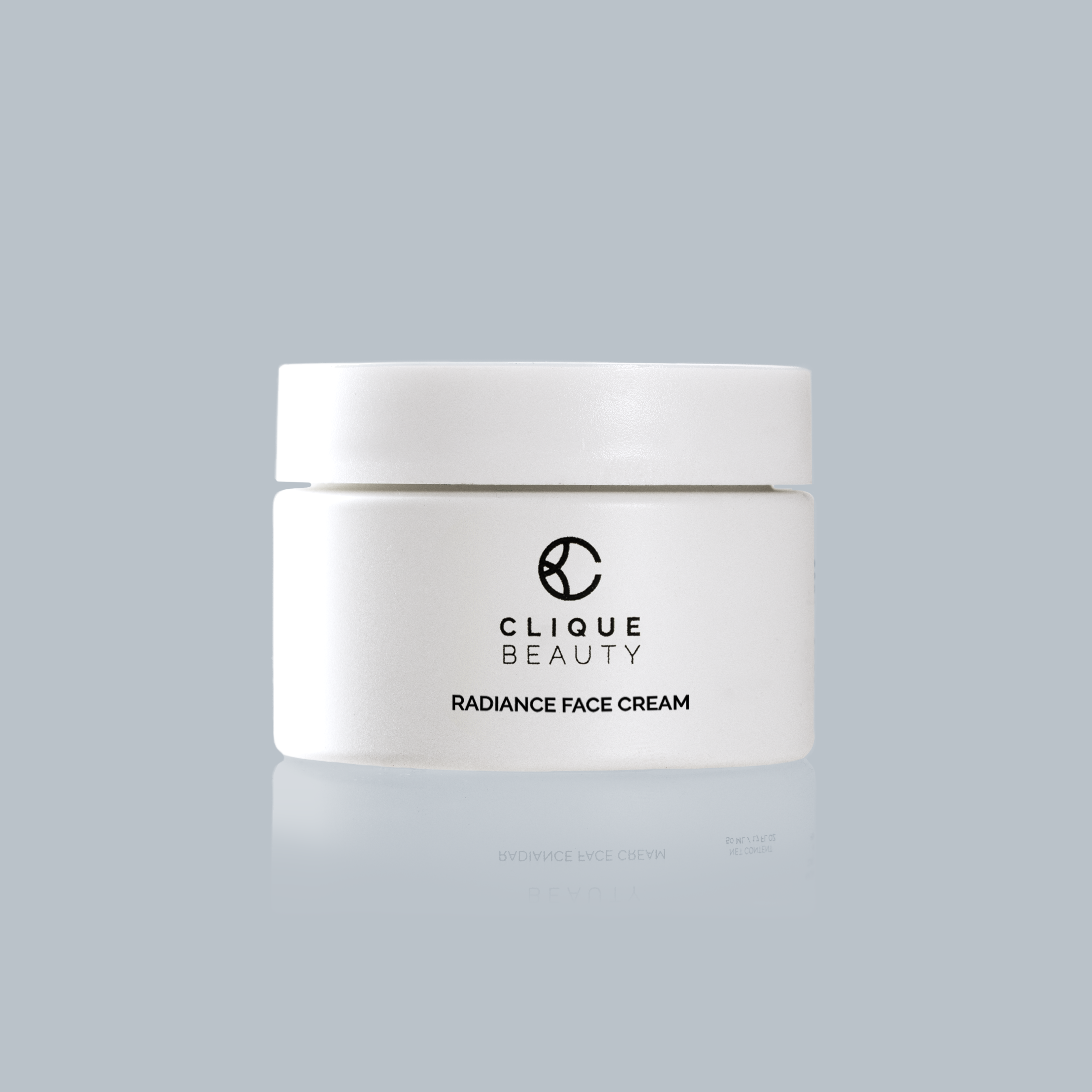
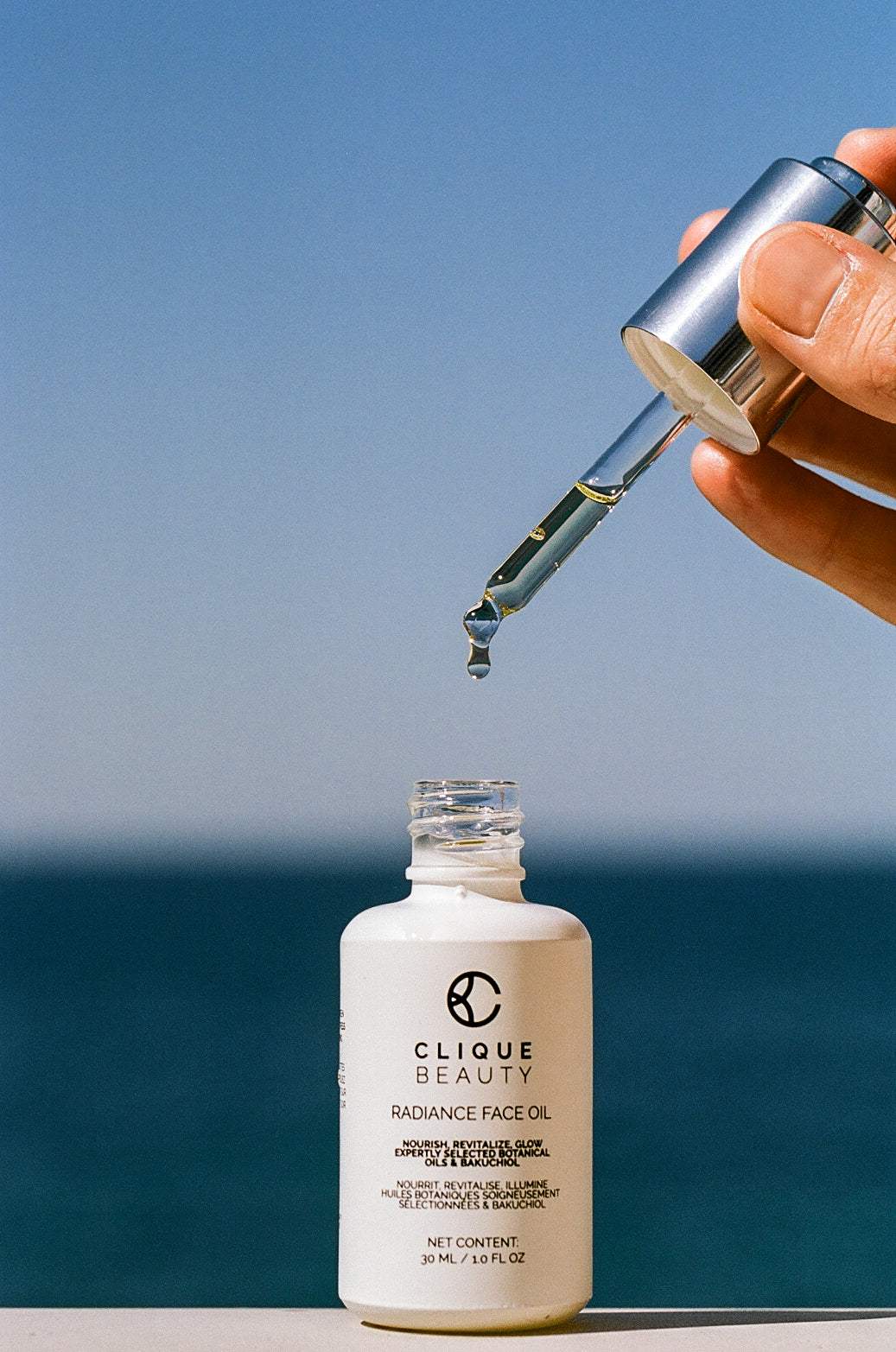
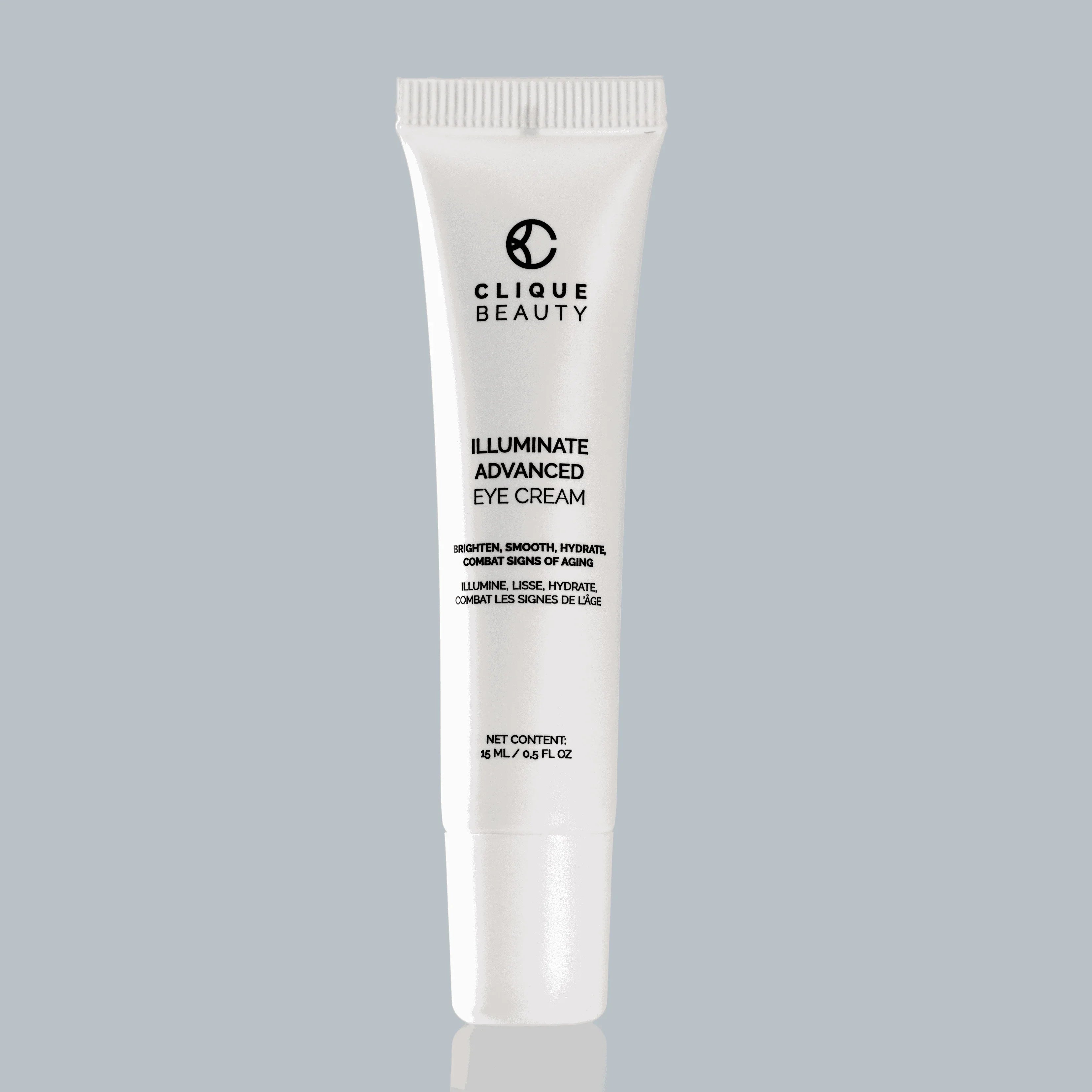
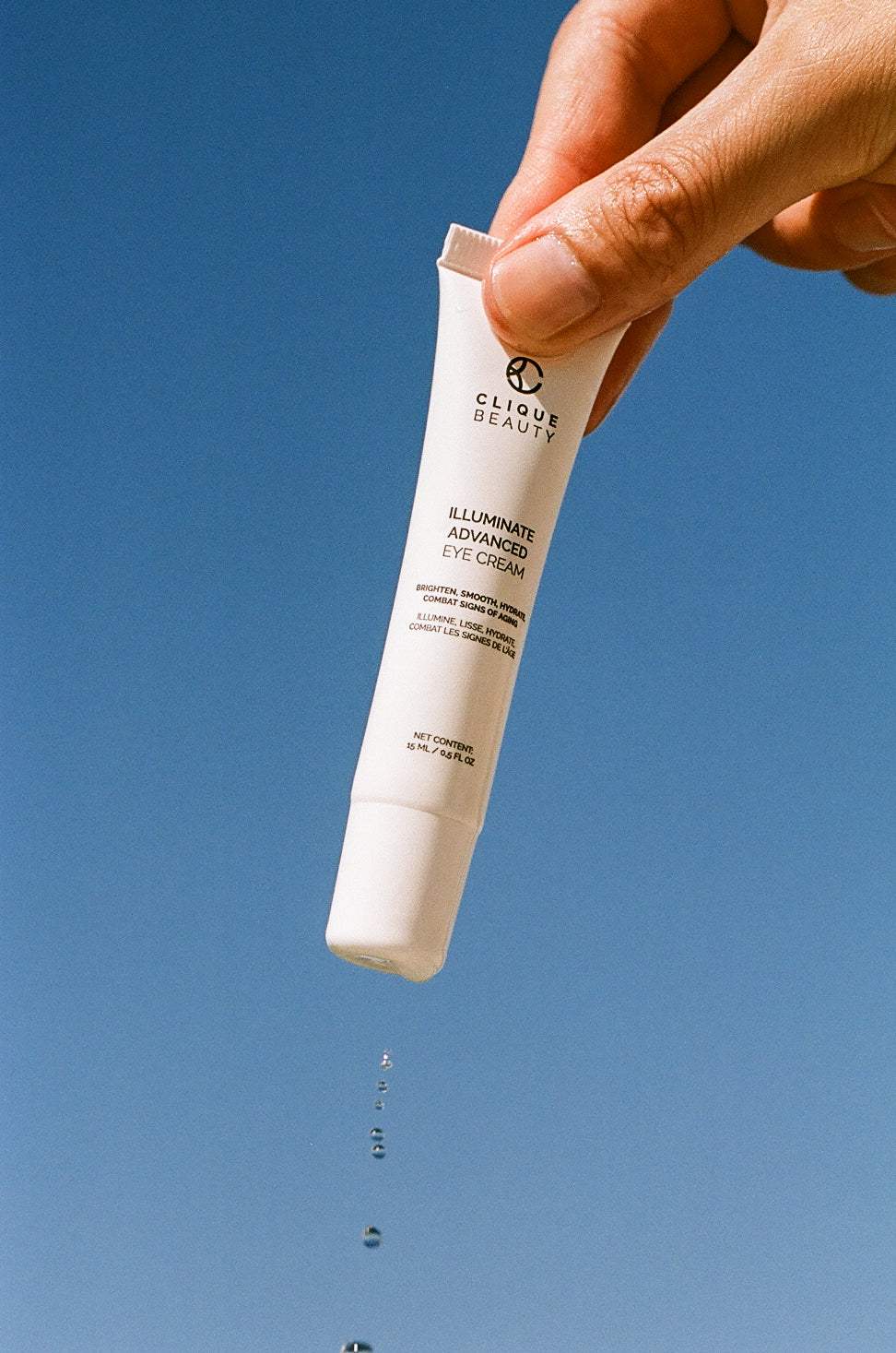
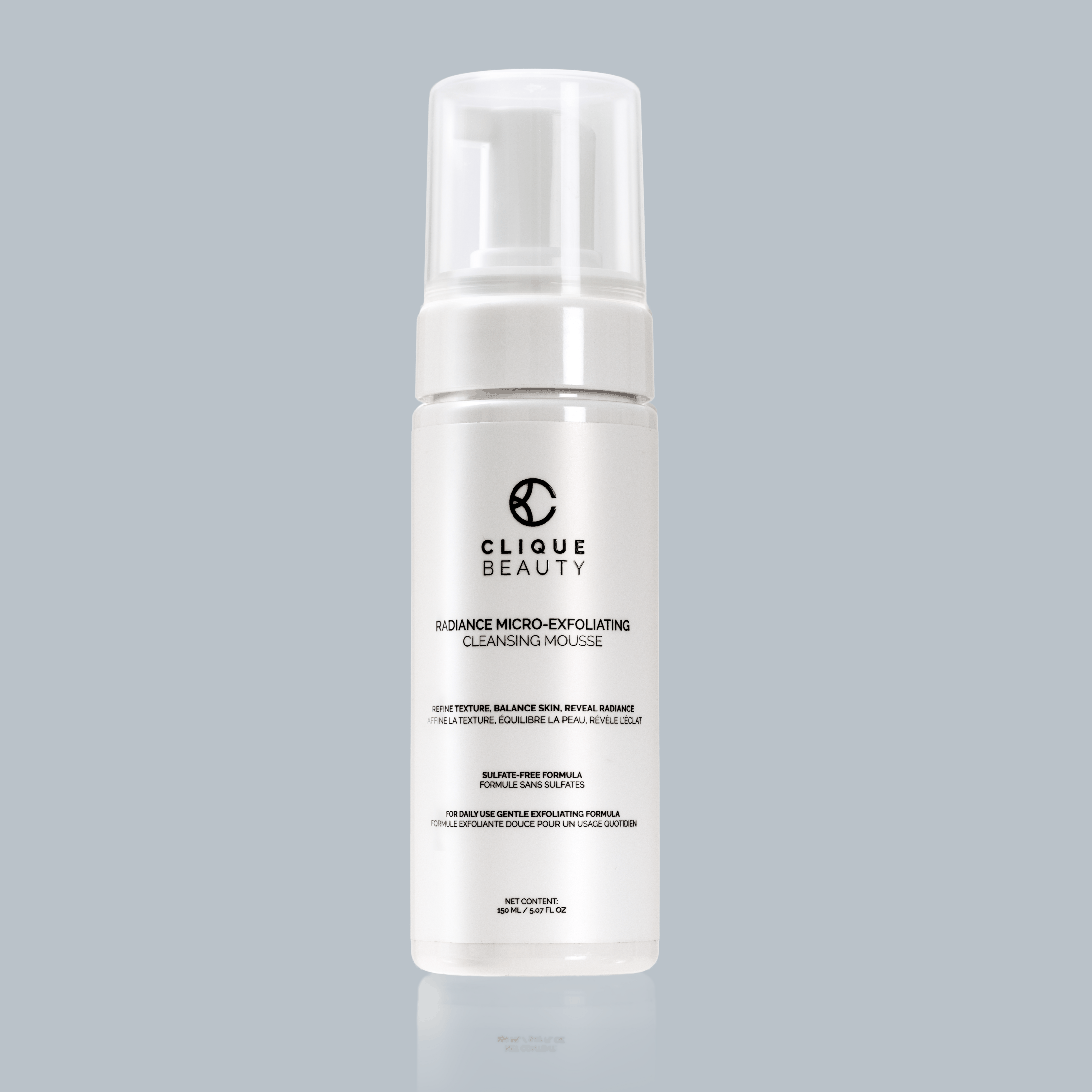
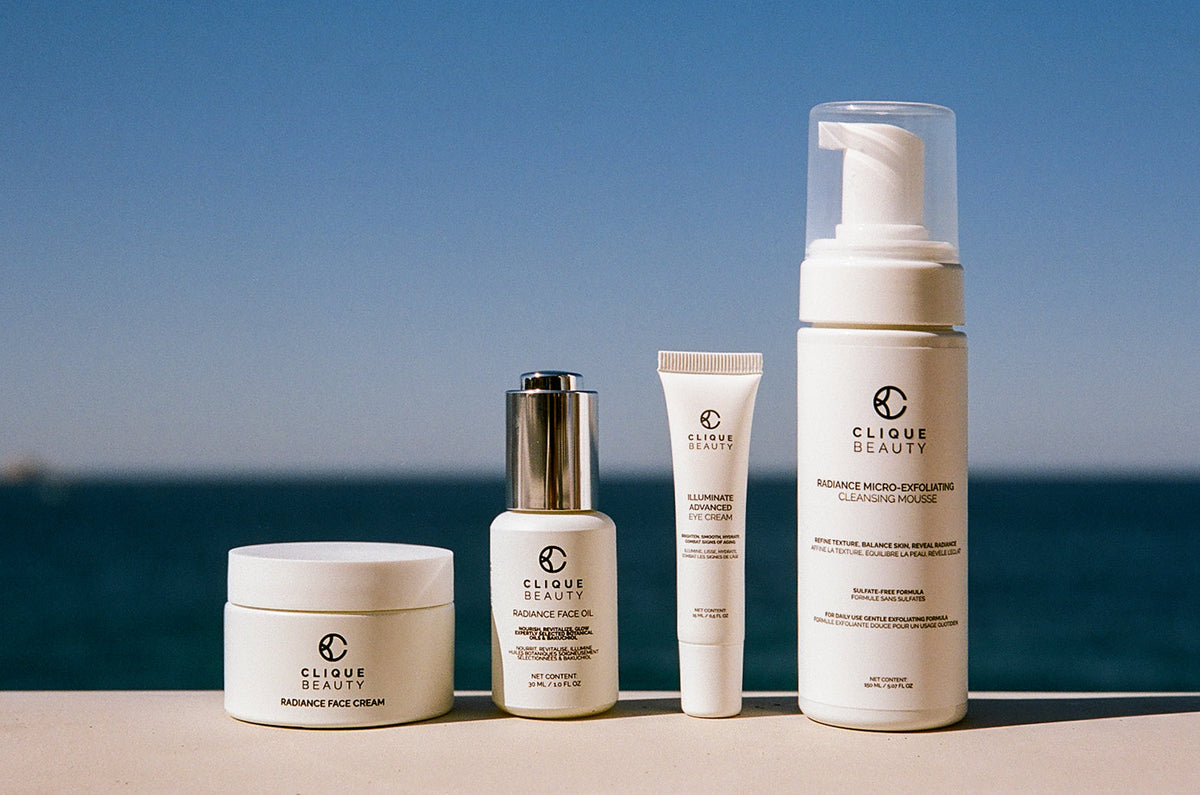
Our range is four formulas, and that is a decision rather than a limitation we are dressing up. The Radiance Face Cream is the clearest example of what the second step above asks for: niacinamide and ascorbyl glucoside, a stabilized form of vitamin C, in a base of shea butter, jojoba and squalane — the treating step and the moisturizing step in one application. It measured a +42% increase in hydration in clinical testing.*
The principle is purposeful actives and fewer steps, not fewer actives for their own sake. If you would rather not assemble the routine yourself, The French Ritual Set is those four formulas in the order they are meant to layer, and the step-by-step version of all of this is in the 4-product routine.
FAQ
Is skinimalism good for your skin?
For most people, yes. Fewer overlapping products mean less irritation and less barrier damage, and a shorter routine is both easier to keep up and far easier to troubleshoot when something does go wrong.
How many products do you really need?
Think in jobs rather than products: cleanse, treat or hydrate, moisturize, protect with sun care, and optionally a face oil. Many people combine two or three of those into a single formula, which is how a five-job routine becomes a three-product shelf.
Does minimal skincare mean skipping SPF?
No, and this is the one place minimalism does not apply. Sun protection is the step with no substitute — the last thing to drop from a routine, not the first. We do not sell one, so we have nothing to gain by saying it.
*Clinically measured increase in skin hydration. Individual results vary.
Comments